The UK Gambling Commission requires that all table games be inspected monthly. Malta requires quarterly inspection. Curacao does not require inspection at all. This is not chaos; this is the market at work.
Each jurisdiction has made a choice about how rigorously to regulate. The UK chose heavily. Malta chose moderately. Curacao chose minimally. Casinos have therefore made a choice about where to license based on where the regulatory cost is lowest.
UK Regulations
The UK Gambling Commission requires the following:
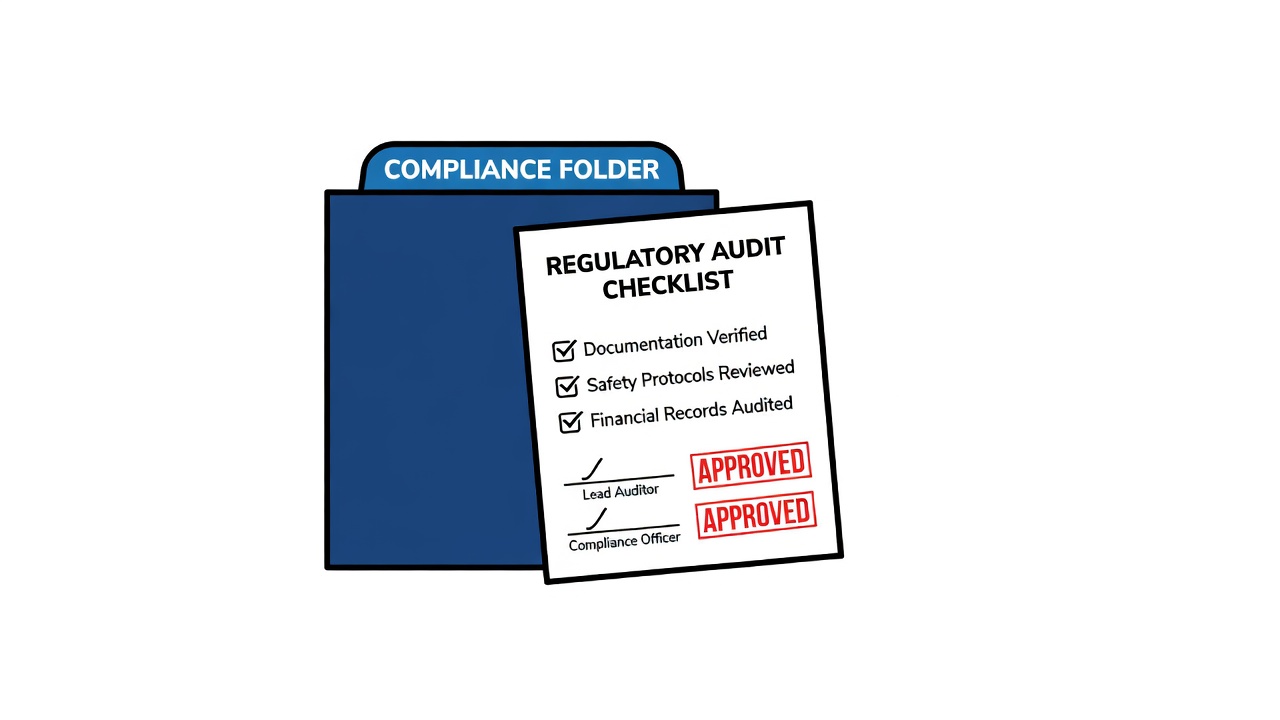
- Monthly inspections of all gaming tables, verifying that RNG (random number generator) certifications are current.
- Quarterly audits of casino accounting records to verify payouts match advertised RTP percentages.
- Staff training certification for dealers, requiring demonstration of procedural knowledge.
- Strict AML (anti-money laundering) compliance with monthly reporting to authorities.
- Customer verification for deposits exceeding 2,000 pounds.
The cost of UK licensing is approximately 500,000 pounds annually in compliance staff and inspection fees. The benefit is that UK customers trust that games are not rigged.
Malta Licensing
Malta's gaming authority (the MGA) requires:
- Quarterly inspections (not monthly).
- Annual (not quarterly) accounting audits.
- Dealer training requirements less stringent than UK.
- AML compliance with quarterly reporting.
- Customer verification for deposits exceeding 5,000 euros.
Malta's compliance cost is approximately 150,000 euros annually. The regulatory burden is lighter, which is why many European operators license in Malta.
Malta's approach assumes that less frequent inspection is sufficient because casinos have financial incentives to operate fairly. This is a libertarian assumption that the market will self-regulate. Mostly, it does.
Curacao Licensing
Curacao's e-Gaming Board requires:
- Annual license renewal (not continuous monitoring).
- Submission of software code for certification (but not re-certification).
- No ongoing AML reporting.
- No customer verification requirements beyond basic identity confirmation.
Curacao's compliance cost is approximately 10,000 dollars annually. The regulatory burden is minimal.
Curacao licenses casinos that would fail to qualify in UK or Malta. They accept this by design. The licensing philosophy is: "We will license any casino that pays us and does not create an international incident."
How Operators Choose
A major operator serving primarily European customers will license in the UK or Malta. The regulatory burden is worth the credibility.
An operator serving players in regions where UK/Malta licensing is inaccessible will license in Curacao. The regulatory burden is minimal, but so is consumer protection.
An operator serving a mix of both will license in all three. They will maintain UK/Malta compliance for their European players and Curacao licensing for their other players.
The Regulatory Arbitrage
Casinos perform regulatory arbitrage: they move operations or licensing depending on where the cost is lowest. A casino licensed in Curacao that faces regulatory pressure might apply for Malta licensing. A casino licensed in Malta that wants to reduce costs might shift some operations to Curacao.
Players face a choice: trust a heavily-regulated operator (UK) or accept lighter regulation (Curacao) in exchange for potentially better odds or fewer restrictions.
The differences between these jurisdictions are not subtle. A UK-licensed casino must prove its games are fair. A Curacao-licensed casino must prove it exists.
Yet all three are legitimate choices, depending on your risk tolerance and what jurisdiction you reside in.