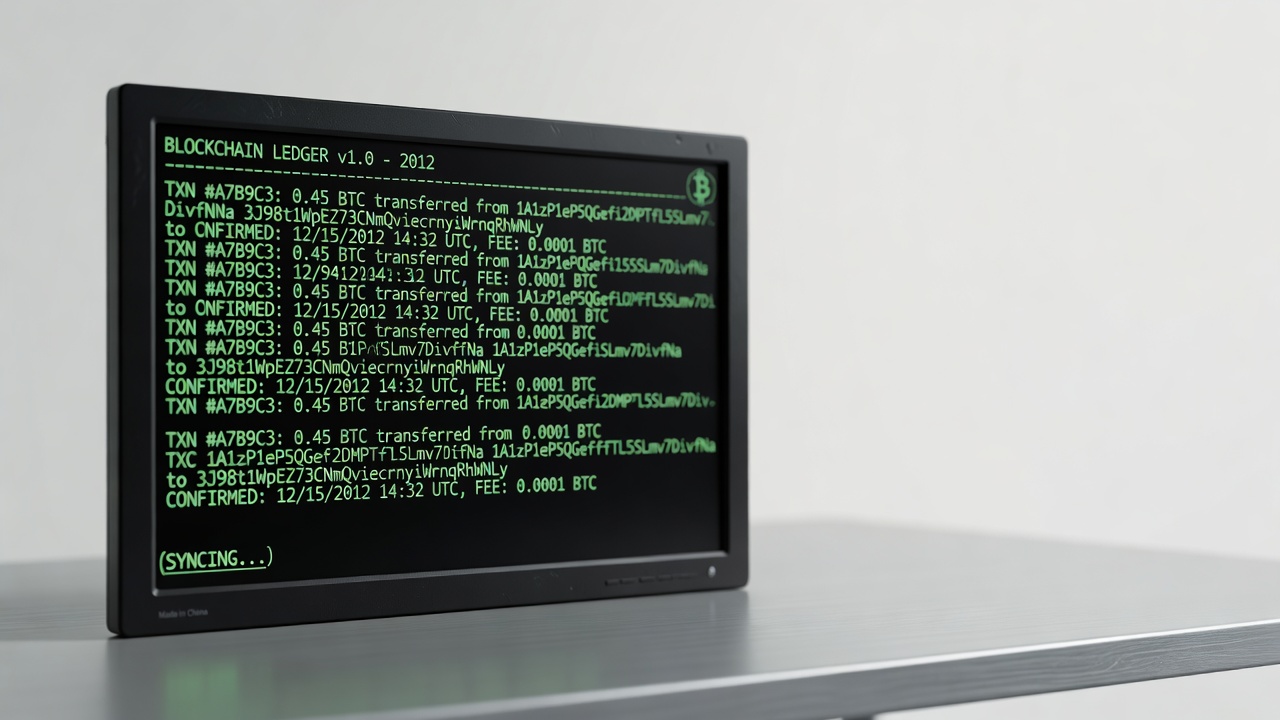
SatoshiDice was the first Bitcoin gambling platform. It went live in 2012. The game was stupidly simple: you bet Bitcoin on a coin flip.
That was it. Heads or tails. Instant settlement. Transparent odds. No account. Just address-to-address Bitcoin transfer.
For gambling, SatoshiDice was revolutionary. It was also the moment someone understood: the Bitcoin blockchain enables new game mechanics that traditional casinos cannot offer.
The Innovation
SatoshiDice worked by:
- You send Bitcoin to a specific address
- The amount and transaction are recorded
- A deterministic algorithm (based on the block hash) decides the outcome
- You receive the result Bitcoin to your address or lose your bet
No casino account. No username. No KYC. Just pure peer-to-peer Bitcoin gambling.
This was radical. No regulated casino could operate this way. But on Bitcoin, anything was possible.
The Growth
SatoshiDice was briefly the largest Bitcoin transaction source (before it was overtaken by regular transactions). It generated millions in revenue.
Other platforms copied the model. Dice games. Then slots. Then live dealer. Then sportsbooks.
By 2015, there were hundreds of Bitcoin gambling sites. By 2020, there were thousands.
The Game Design Perspective
Bitcoin gambling platforms are interesting from a systems design perspective. They use game-design loops that traditional casinos cannot:
- Instant payout: You do not wait for settlement. Result is immediate.
- Transparency: The blockchain proves the game was fair.
- No friction: No account creation. No email verification. No identity requirements.
- Community: Bitcoin culture favors peer-to-peer systems.
Traditional casinos are built around friction (accounts, money movement, regulation). Bitcoin casinos are built around frictionless play.
For the operator, friction protects them from problem gambling (players have time to reconsider). For the player, friction is annoying.
Bitcoin casinos prioritize player preference: no friction.
The Regulatory Gap
Early Bitcoin casinos operated in the regulatory vacuum. Bet365 and DraftKings cannot exist without licenses. Bitcoin casinos could exist anywhere because there was no legal framework.
As time passed, some jurisdictions tried to regulate Bitcoin gambling (Malta, Isle of Man). Others ignored it (Curaçao, unregulated).
The most successful Bitcoin casinos today are still in unregulated jurisdictions. No oversight. No consumer protection.
The Modern Platforms
Stake, a modern Bitcoin casino, does $1 billion plus in annual handle. They operate from Curaçao. They are not licensed in any major jurisdiction.
They are also profitable. No banking fees. No licensing costs. No regulatory compliance overhead.
Stake can offer higher payouts than regulated casinos because they have lower costs.
The Technology Evolution
Early Bitcoin casinos used simple coin flips and dice games. Modern ones use game designs identical to regulated casinos: slots, live dealer, sportsbooks.
The difference is delivery: Bitcoin native. No fiat on-ramp. No banking. Pure peer-to-peer.
The Feedback Loop
Bitcoin gambling platforms understood something fundamental about game design: players prefer low friction.
Stake and others built systems optimized for low friction. They saw the friction that regulated casinos require and they exploited the gap.
Today, unregulated Bitcoin casinos offer better player experience (faster payouts, lower minimum bets, no KYC) than regulated ones.
This is a design win for Bitcoin gambling. It is also a regulation loss (no consumer protection, no responsible gambling tools).
The Lesson
SatoshiDice proved that gambling did not need casinos. It needed only a transparent, verifiable system and a ledger.
Bitcoin provided both. The industry that grew from it is still finding new game designs and new mechanics that traditional gambling cannot compete with.
Whether that is good or bad depends on whether you value player freedom or player protection.