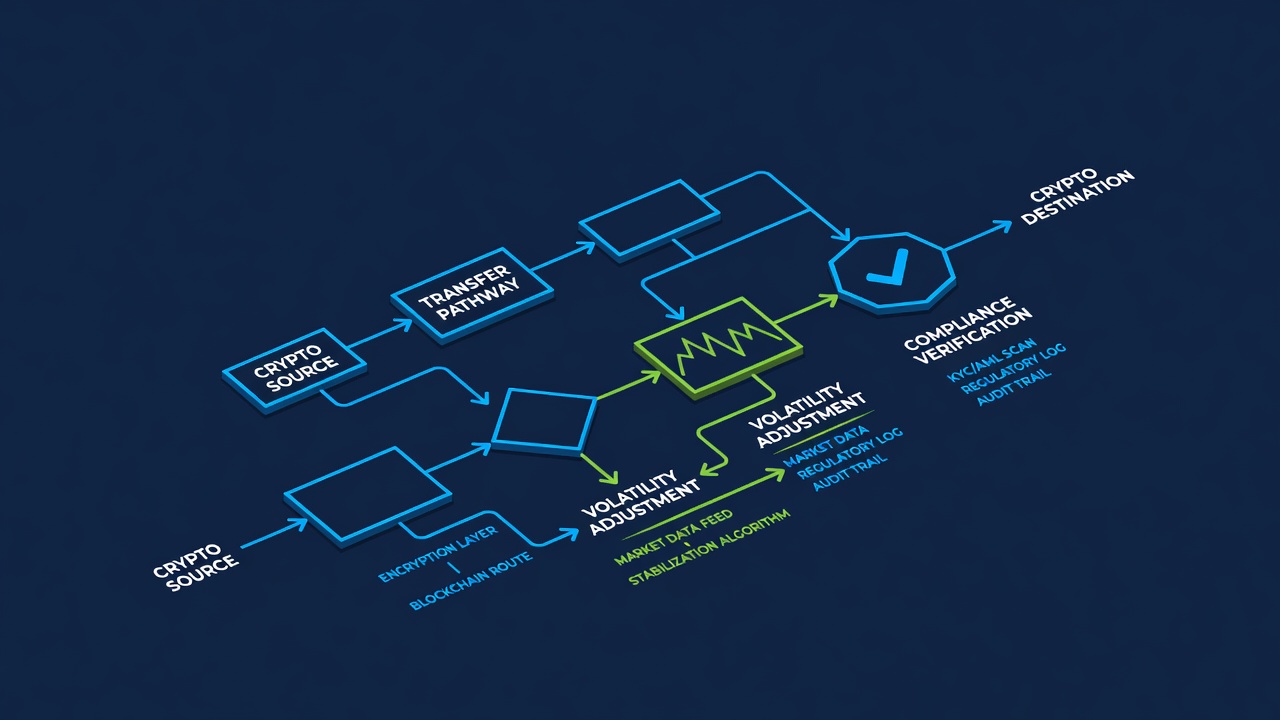
There is a story that begins at midnight in a basement apartment. A man sits at a desk. A computer screen glows. He wants to gamble. Not tomorrow. Not next week. Now. He has gone to his bank and gotten what he needs, what he wants, what he thinks will change his night. Now he needs to bridge that fiat money into something the sportsbook takes. This is the in-between. This is where desperation meets technology.
The Direct Deposit Route
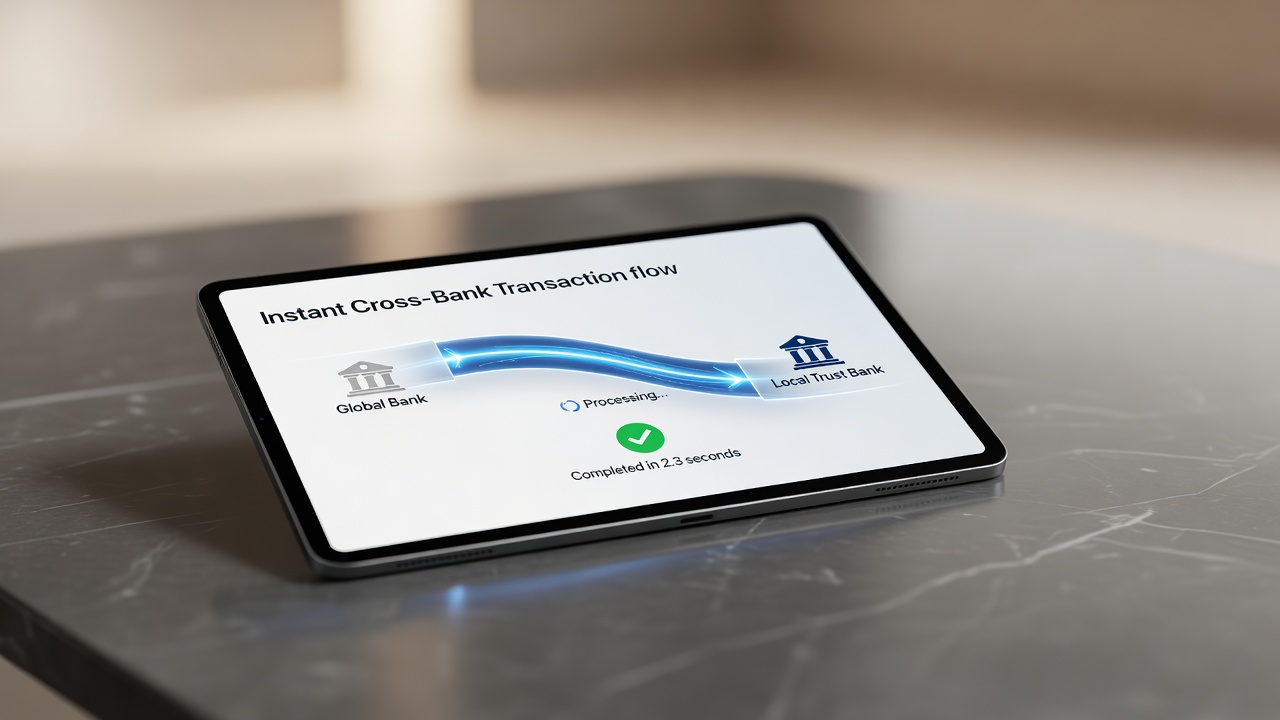
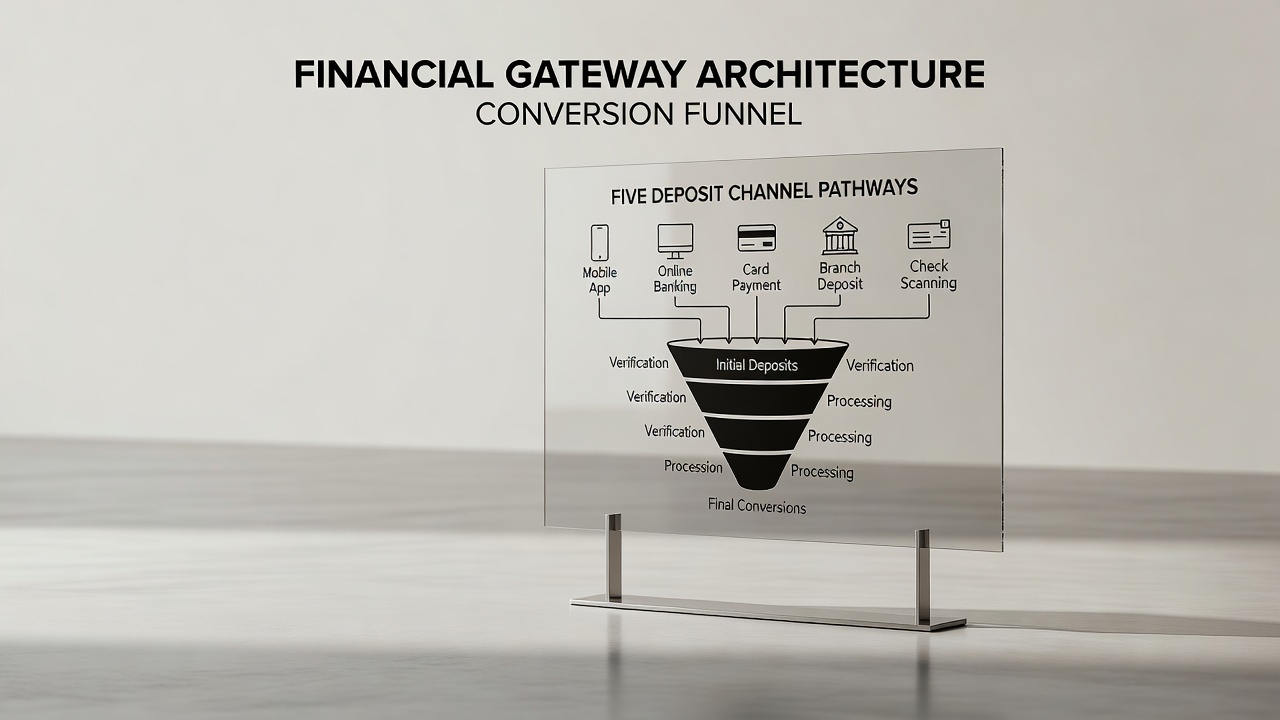
Some of the smarter gambling platforms accept bank transfers directly. Kraken and Gemini have built this bridge for years. A gambler takes his paycheck, deposits it into his account, and the conversion happens. No credit card. No friction. The money moves from his employment into the casino within hours. What was his, is now the house's. Or it could be his again if luck turns. But luck is a guest who never stays long.
This method has grown because it feels honest. It feels like banking. It feels like you are not doing anything wrong. You are a man with money and a place that accepts money. The fact that the money will likely be gone by sunrise is not relevant to the transaction itself.
The Peer-to-Peer Markets
Then there are the people who sit on the other side of these transactions. On LocalBitcoins and newer platforms, regular people meet strangers. A man with dollars meets a man with Bitcoin. They settle on a price. Sometimes it is fair. Sometimes it is not. A gambler desperate for crypto will overpay. He will hand a stranger cash. He will receive coins into his wallet. He has just paid a premium for speed and anonymity. Both are expensive luxuries when you are chasing a feeling.
I have seen men pay 15% above market rates just to avoid the 24-hour wait. Just to bridge the gap between wanting and having. This is the mathematics of desperation. The answer is worth the cost if your whole night hangs in the balance.
The Credit Card Gateway
And then there are the credit card on-ramps. Coinbase. Kraken. The big platforms have struck deals with Visa and Mastercard. A gambler walks to an ATM. Gets cash. Or uses his card directly. Or borrows. These platforms take 2-5% in fees. The gambler pays because he has no patience for the alternative. He wants to be betting in minutes, not hours.
This is where regret waits. Because he is using borrowed money. Credit card rates are 15-25%. He is paying interest on money he is using to gamble. He is getting worse odds before he even places a bet. The mathematics are running against him from the first transaction.
The Stablecoin Shortcut
When a man is already inside the ecosystem, already holding Ethereum or Bitcoin from before, the on-ramp becomes internal. He swaps USDC or USDT for his chips. He knows the exchange rate. He knows the fees. It is the most honest transaction of all because he has already made his first mistake weeks before. Now he is just multiplying it.
Some betting platforms, especially the smaller ones from Curaçao and Malta, build in a direct stablecoin deposit. The user is already prepared to hold crypto. The on-ramp is less of a bridge and more of a confirmation of something he decided long before.
The House Is The Final On-Ramp
But all of these fade into one larger truth: the on-ramp does not matter. The dollar becomes a chip becomes heartbreak or joy becomes nothing. The method of delivery changes nothing about what happens next. A man with fiat is a man not yet gambling. A man with crypto is a man already inside the machine. Which on-ramp he chose only determines how fast he got here and how much he overpaid for the privilege.