I have been holding Bitcoin since 2017. Not as an investment thesis, but as a financial infrastructure thesis. Bitcoin solves a specific problem that traditional banking cannot solve: irreversible transactions. This becomes relevant when depositing into or withdrawing from an unlicensed sportsbook.
Let me be clear: I am not advocating for this. Traditional sportsbooks in regulated jurisdictions are better. But they are not available everywhere, and not to everyone. Crypto offers a workaround.
The Deposit Problem
Largest regulated sportsbooks require identity verification, bank account verification, and in some cases, proof of address. If you lack those documents, or if you live in a jurisdiction where licensed sportsbooks do not operate, you have limited options.
Unlicensed sportsbooks operate in jurisdictions like Curacao and have fewer KYC requirements. But they require a payment method that does not leak information to your home country's tax authorities. Crypto satisfies this requirement.
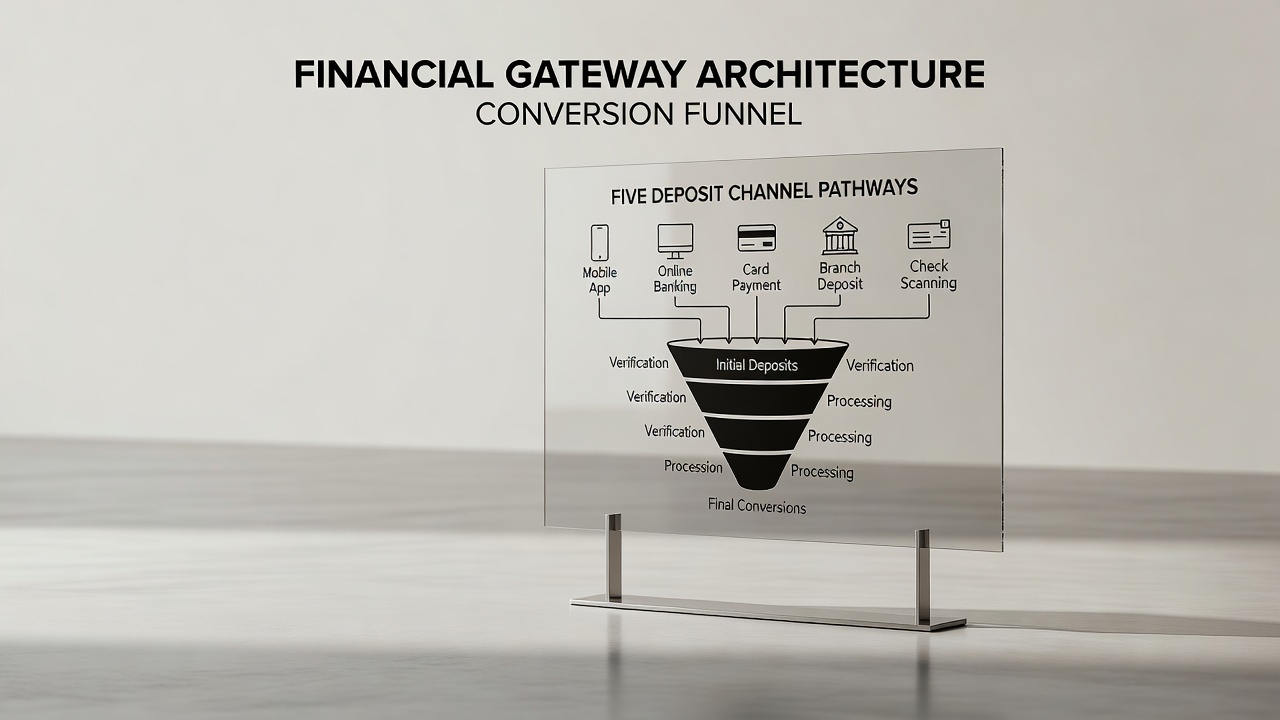
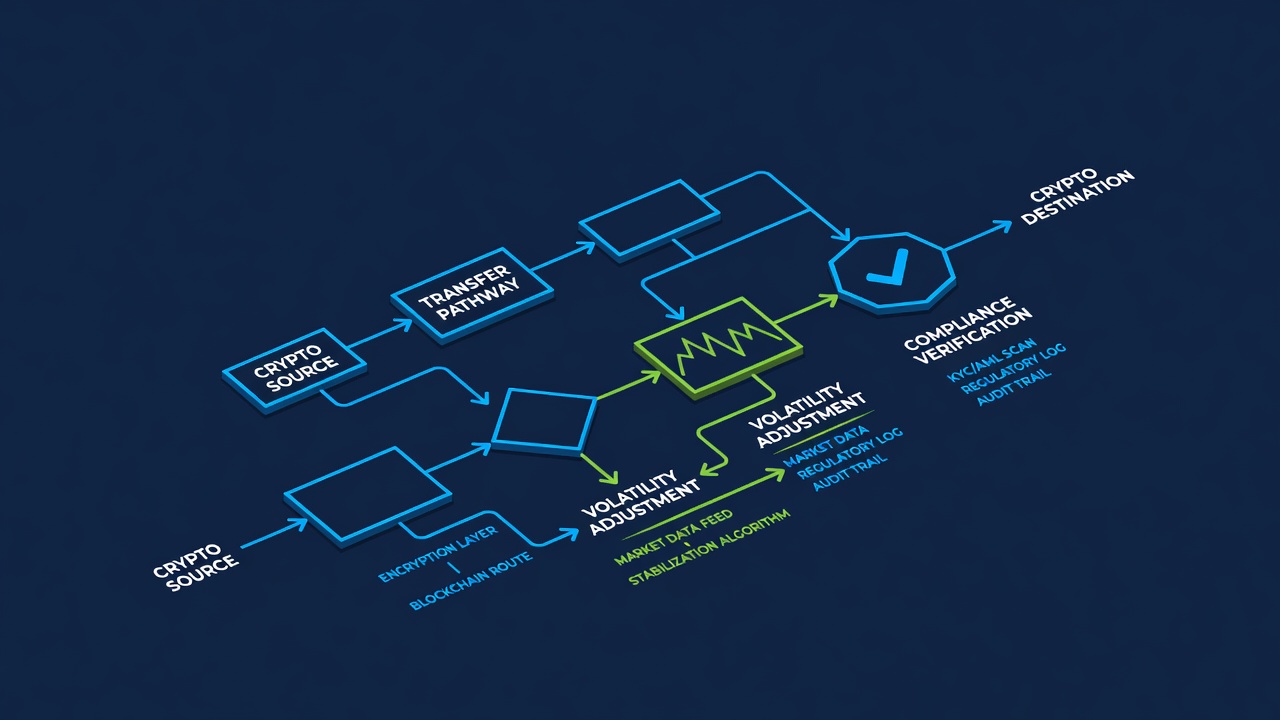
You purchase Bitcoin on a no-KYC exchange (DEXes, Bisq, peer-to-peer). You send it to a sportsbook address. The sportsbook receives it. You have now deposited money without leaving a traditional banking trail.
The Problem with This
An irreversible transaction has a dark side if something goes wrong. You send 5 Bitcoin to what you believe is a sportsbook address. It turns out you have sent it to a phishing site. The Bitcoin is gone forever. There is no chargeback. There is no dispute process. It is simply lost.
Licensed sportsbooks use traditional banking specifically because traditional banking has dispute resolution mechanisms. If a sportsbook fails to credit your account, you can contact your bank and initiate a chargeback. Your bank will investigate and potentially reverse the transaction.
With crypto, there is no recourse.
The Volatility Cost
Bitcoin is volatile. When you convert fiat currency to Bitcoin, you accept the risk that Bitcoin might decline in value during the time it sits in your account.
A typical deposit-to-withdrawal cycle takes three to seven days. During that period, Bitcoin might move 5-10 percent. If you deposited 1,000 dollars in Bitcoin and Bitcoin drops 10 percent, your actual balance is now 900 dollars worth of Bitcoin.
Licensed sportsbooks permit deposits in stablecoins (USDC, USDT) which have minimal volatility. Unlicensed sportsbooks often require Bitcoin specifically because it is the most liquid and the most difficult to trace.
The Regulatory Problem
Using crypto does not make sports betting anonymous. Blockchains are transparent. Every transaction is recorded on the ledger. If you are depositing large amounts regularly, chain analysis can connect your transactions.
More problematically, tax authorities in most jurisdictions require reporting of gambling transactions. Using crypto does not eliminate this requirement; it simply obscures it until the IRS or its equivalent traces your on-chain activity.
For casual bettors in low-tax environments, this is trivial. For serious bettors in high-tax jurisdictions, using crypto is not a workaround; it is a way to create audit risk.
When Crypto Makes Sense
Crypto for sports betting makes sense in three scenarios. First, you live in a jurisdiction where sportsbooks are prohibited and traditional banking is unavailable. Second, you value the irreversibility as a feature (it prevents you from chargeback fraud against the sportsbook, which might be your goal if you are trying to establish a reputation for honesty). Third, you are seeking speed; a crypto deposit clears in minutes, while a bank wire takes hours or days.
Outside these scenarios, crypto is simply more expensive and riskier than traditional banking.
The Future State
More sportsbooks are now accepting stablecoins directly, which solves the volatility problem. This suggests that crypto sports betting might eventually become mainstream, with better infrastructure and less friction.
For now, crypto sports betting is a tool for people in regions where traditional sportsbooks do not operate. It is not superior to traditional banking; it is an alternative when banking is not available.