A player sits at a crypto blackjack table in an unlicensed casino. They place a bet in Bitcoin. The dealer draws cards. The outcome is determined. The player wins and requests a withdrawal.
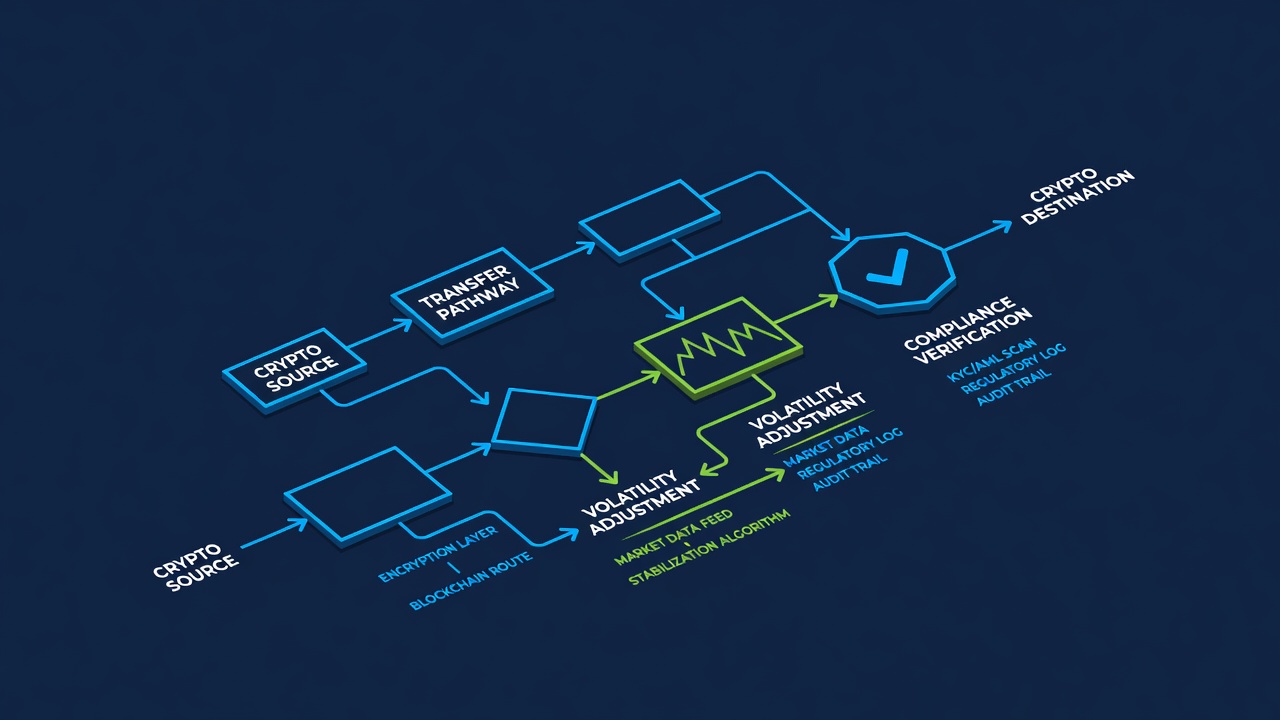
What happens next is where crypto differs from traditional online blackjack. With traditional online blackjack, there is a payment processor between the player and the casino. The processor holds the money and processes withdrawals. With crypto, the transaction is direct from the casino to the player's wallet.
This creates both advantages and disadvantages for fraud detection.
The Transparency Advantage
Blockchain technology is transparent. Every transaction is recorded on the public ledger. If a casino claims they processed a withdrawal, the transaction appears on the blockchain. If they claim they did not, the blockchain proves it.
This is a genuine advantage for security. A player disputing a casino's claim that they never received a withdrawal can point to the blockchain transaction as proof. The casino cannot deny the transaction because it is part of a decentralized, immutable ledger.
Traditional online casinos can deny withdrawals more easily because the payment processor is a single point of control. If the processor fails to send funds, the player has limited recourse.
The Anonymity Disadvantage
Bitcoin is pseudonymous, not anonymous. All transactions are traceable if someone has sufficient resources. But in practice, crypto casinos exploit the difficulty of tracing to enable fraud.
A scam casino can receive deposits, play out a few hands (creating the appearance of legitimate operation), then stop processing withdrawals. The casino operators move the Bitcoin to a mixer (a service that obscures transaction origins) and disappear.
With traditional online casinos, payment processors maintain detailed records and can freeze funds if fraud is suspected. Crypto casinos have no such mechanism because the casino controls the funds directly.
The RNG Problem
Crypto blackjack games use RNG (random number generation) to determine outcomes. The RNG code is sometimes published publicly, which is supposed to permit players to verify fairness.
But RNG code transparency is less useful than it appears. Even if the RNG code is fair, the casino could modify the code between verification and deployment. Or they could seed the RNG with a specific value that produces predetermined outcomes.
Traditional online casinos are regularly audited by third-party firms that verify RNG fairness. Crypto casinos rarely submit to external audit because they operate in unregulated jurisdictions.
The Chargeback Difference
With traditional online blackjack, a player whose account was accessed fraudulently or who disputes a charge can file a chargeback with their bank. The bank investigates and potentially reverses the transaction.
With crypto, there is no chargeback mechanism. Once Bitcoin is sent, it is sent. If a player sends Bitcoin to the wrong address, or if they send Bitcoin to a casino that never credits their account, the Bitcoin is simply lost.
The Regulatory Gap
Crypto casinos operate in jurisdictions (Curacao, Costa Rica) with minimal oversight. Traditional online casinos in licensed jurisdictions (Malta, UK, Gibraltar) face regulatory inspection and compliance requirements.
The regulatory gap means that a player at a crypto casino has no governmental authority to appeal to if something goes wrong. They have only the casino's own dispute resolution process, which is controlled by the casino.
When Crypto Makes Sense
Crypto blackjack makes sense for players who value speed (deposits and withdrawals clear in minutes instead of days) and anonymity (no identity verification required). These are real advantages.
Crypto blackjack does not make sense for players who value fairness assurance and consumer protection. These advantages belong to traditional online casinos.
As a security professional, I see crypto casino fraud regularly. The players are often sophisticated (they understand crypto), but the casinos are sophisticated too. The playing field is level in a way that traditional casinos and banks cannot match.