In 1995, a casino in Atlantic City processed a series of deposits for a customer. The customer would deposit ten thousand dollars cash, gamble for an hour, and withdraw the funds as a casino check. In and out. Same customer, different casino, different timing.
Over six months, this customer cycled approximately three million dollars through the casino system. When investigators finally examined the pattern, they discovered that the customer was a money launderer working for a Colombian drug cartel.
The scheme was simple: dirty money comes in as cash, gets legitimized as casino winnings, comes out as a casino check that can be deposited into a bank account without triggering suspicious activity reports.
This case, and dozens like it, led to the formulation of strict AML rules for casinos.
The Threshold Reporting
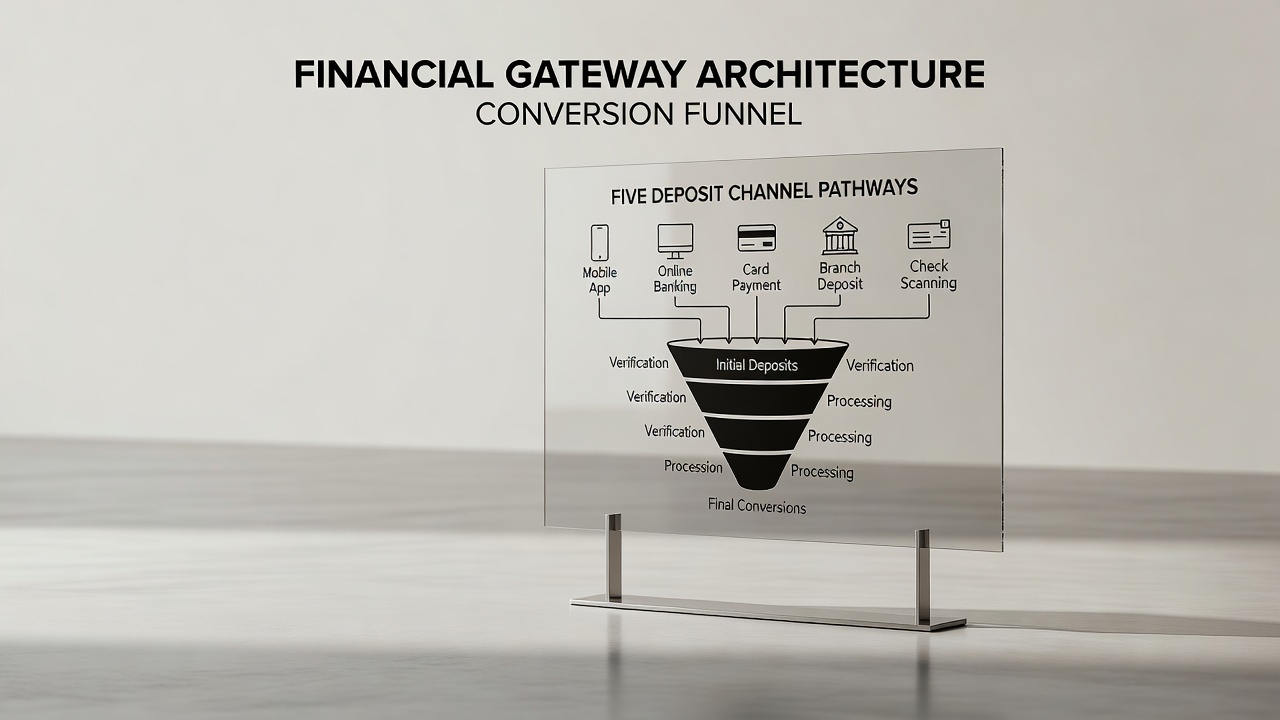
Any transaction over ten thousand dollars triggers a Currency Transaction Report (CTR) filing. The casino must report the customer's identity, the amount, the date, and the method to the Financial Crimes Enforcement Network (FinCEN).
This sounds simple. But casinos discovered that criminal organizations would structure their deposits: nine thousand dollars, then nine thousand dollars again, then nine thousand dollars a third time. Three separate transactions, each below the ten-thousand-dollar threshold, but collectively representing money laundering.
This structuring (also called "smurfing") is itself illegal. So the CTR requirement became supplemented with a requirement to report structuring even when individual transactions fall below the threshold.
Suspicious Activity Reports
Beyond transaction reporting, casinos must file Suspicious Activity Reports (SARs) when they identify behavior that does not fit normal gambling patterns.
For example: a customer deposits fifty thousand dollars, plays slots for thirty minutes, then requests a check for forty-five thousand dollars. This is inconsistent with normal gambling. Normal gambling is destructive; you lose money. Constructive gambling (money going in, most of it coming back out) is suspicious.
A customer who consistently deposits large sums, plays minimally, and withdraws most of it is displaying a pattern consistent with money laundering. The casino must file a SAR.
The Identification Requirement
Casinos must obtain identification from customers depositing ten thousand dollars or more. Federal regulations specify: driver's license, passport, or other government-issued ID. The casino must verify that the ID is legitimate.
This seems straightforward. But counterfeit IDs exist. A casino employee must look at an ID and determine whether it is authentic. Major casinos have trained staff for this. Smaller casinos sometimes fail.
If a casino accepts an obviously fraudulent ID and processes a large transaction, the casino has failed its AML obligations. The casino, not just the customer, can face federal penalties.
The Beneficial Ownership Disclosure
For corporate customers depositing very large sums, casinos must identify the beneficial owner (the actual person behind the corporation). This prevents shell companies from being used as money laundering vehicles.
This requirement was added after investigators discovered that criminal organizations were forming shell companies specifically to launder money through casinos. The shell company would deposit millions, close the account, and the money would be traced back to the cartel.
The Record Retention Requirement
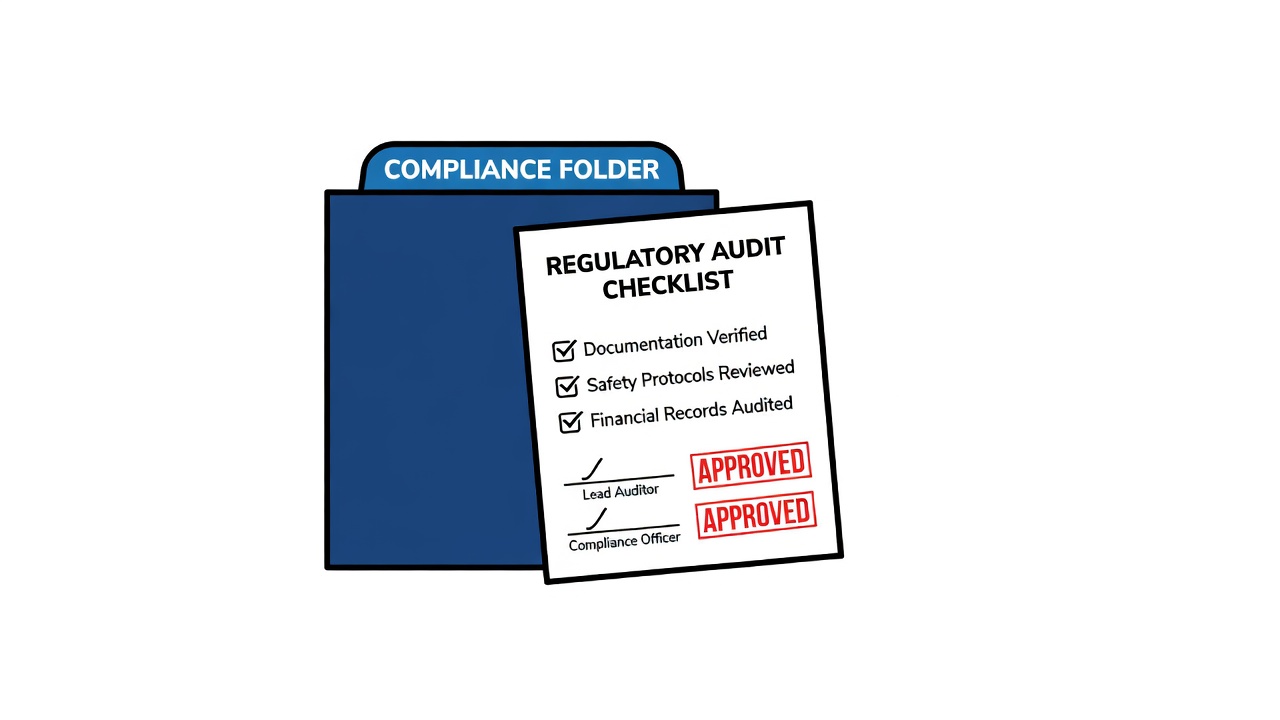
Casinos must maintain records of all transactions for five years. Deposits, withdrawals, identity documents, everything. This creates an audit trail.
The purpose is obvious: if a customer is later identified as a criminal, law enforcement can trace all transactions involving that customer and identify co-conspirators and sources.
Why These Rules Exist
Every requirement I listed was added after casinos had been exploited for money laundering. The ten-thousand-dollar threshold came after the Atlantic City scheme. Structuring rules came after smurfing schemes. Beneficial ownership came after shell company schemes.
Casinos resisted these rules because compliance is expensive. But the rules exist because money laundering poses national security risks. If a terrorist organization is funding operations through casino deposits, the government has a legitimate interest in detecting it.
The Enforcement Reality
Enforcement is inconsistent. Large casinos with compliance departments are rarely violated. Smaller casinos and online operators in lesser-regulated jurisdictions frequently violate AML requirements.
The federal government prioritizes major cases. A casino that processed millions for a known criminal enterprise will face significant penalties. A casino that accidentally processed ten thousand for a customer without full ID verification usually gets a warning.
But the penalties for systematic non-compliance can be severe: fines exceeding one hundred million dollars, criminal charges against executives, and license revocation.
I spent fifteen years investigating these cases. Every rule was born from a real scheme. Understanding AML rules requires understanding the specific crimes they were designed to prevent.