So imagine this. You sign up for a casino, get a two-hundred-dollar bonus, and you immediately start trying to figure out how to turn it into withdrawable cash.
Most people cannot do this. The wagering requirements destroy them. But some people think they are clever. They have a strategy. They are going to place bets on both sides of an event (one side on this book, one side on another book). They are going to lock in a profit on their bonus.
The problem: casinos have seen this strategy a million times. They have literally built computer systems specifically to detect this pattern.
The Detection Mechanism
When you place a bet, the casino logs: the bet amount, the odds, the event, the time, the device ID, the IP address, the payment method, and literally everything else. This goes into a database.
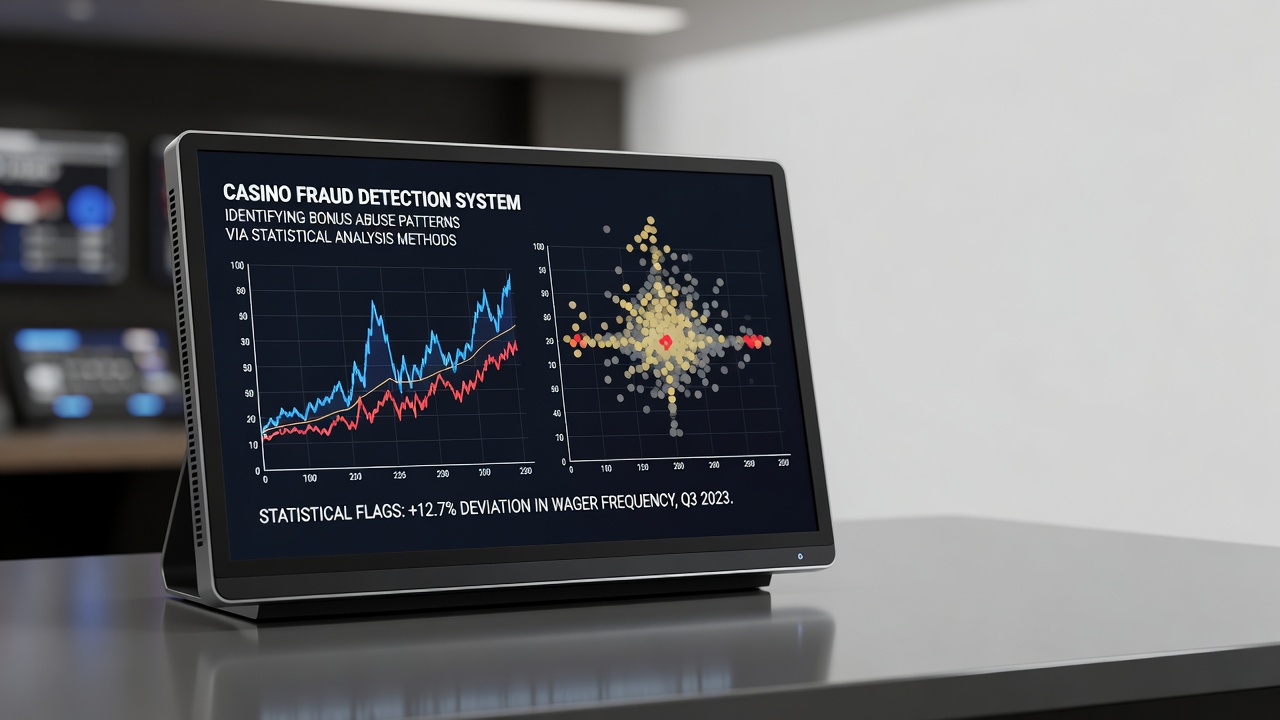
The casino then runs statistical analysis on your bets. Actually, they run it on every player's bets. They are looking for patterns that indicate bonus abuse.
Here is the crazy part: they can tell when you are hedging a bet. They see a five-hundred-dollar bet on Manchester United at 2.1 odds. Then, minutes later, a five-hundred-dollar bet on Manchester City at 1.8 odds. Both on the same event. From the same IP address.
Their computer flags this instantly. Not just for investigation later. Immediately.
The Specific Patterns
Bonus abuse typically follows recognizable patterns. Here are the ones casinos specifically look for:
- Same-event hedging (opposite bets on both outcomes)
- Extreme odds hunting (placing bonuses exclusively on +300 or longer, trying to hit and run)
- Payment method testing (registering multiple accounts to test if bonus code works with different cards)
- Shared IP abuse (multiple accounts from the same residence, all claiming the same bonus)
- Rapid deposit-withdrawal cycles (deposit, bonus, one lucky bet, immediate withdrawal request)
When the system detects these patterns, the account is flagged. The flag is not automatic termination; it triggers a manual review from an actual person.
The Manual Review
An actual compliance officer examines the account. They see: the betting history, the patterns, the deposits, the withdrawals, the countries accessed, the devices used.
They are looking for evidence of intentional manipulation versus unlucky chance. Betting both sides of a single event is damning. Betting a bonus on a bunch of random long shots and one happening to win is not.
If they determine bonus abuse has occurred, they confiscate the bonus and any winnings derived from it. The player retains their original deposit.
How to Avoid Detection
Here is the thing: if you play naturally, you will not be flagged. If you place normal bets, even if you win, the casino will let you withdraw.
The detection system is not trying to catch lucky players. It is trying to catch strategic manipulators. The difference is obvious to both humans and computers.
What is not obvious: the threshold for what counts as suspicious has changed. Used to be, casinos would flag any profit over ten times the bonus amount. Now they understand that lucky players can have runs. The flagging is more sophisticated.
But hedging bets? Betting both sides? The computer will catch that every single time.
The Scale
Larger operators process millions of bets daily. Their detection systems are incredibly sophisticated. They run machine learning models that have been trained on years of data. The models have seen pretty much every attempt at bonus abuse that exists.
Smaller operators have less sophisticated systems, but they have access to shared industry databases. So even a small casino knows about known bonus abuse patterns.
The lesson: do not try to abuse bonuses. The operators are way ahead of you. They have PhD-level computer scientists working to catch you. You do not have a chance.