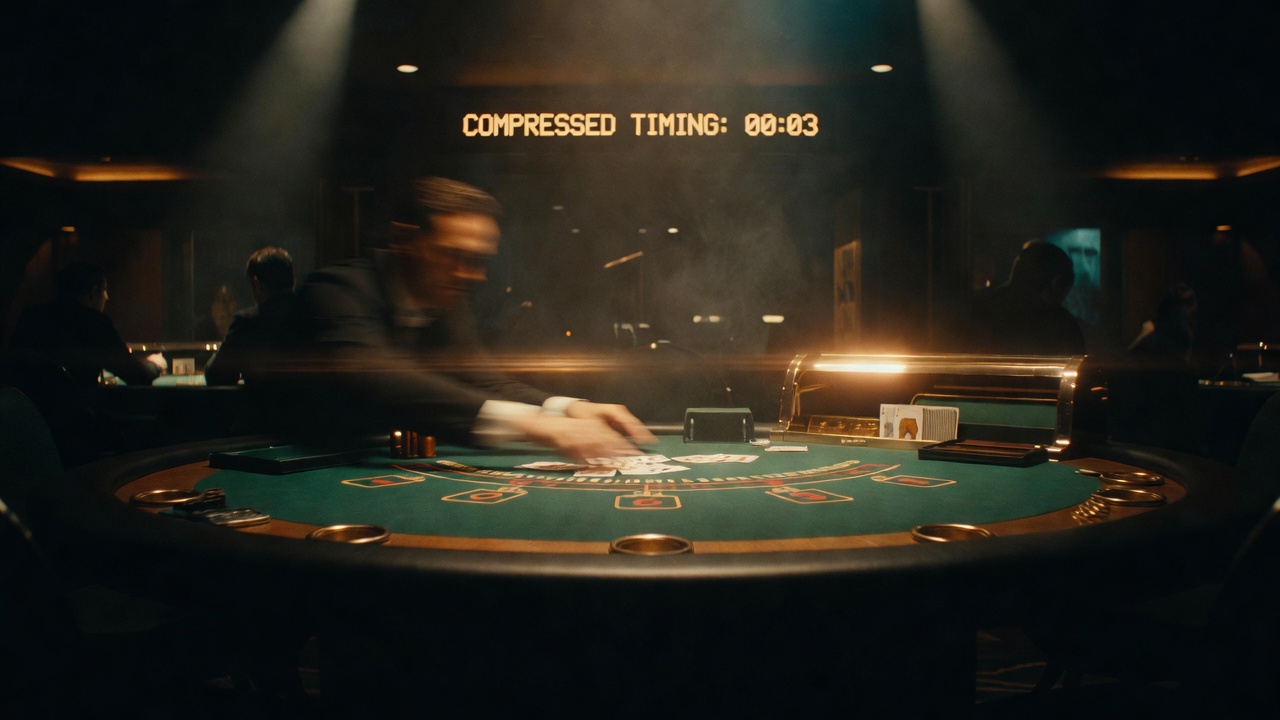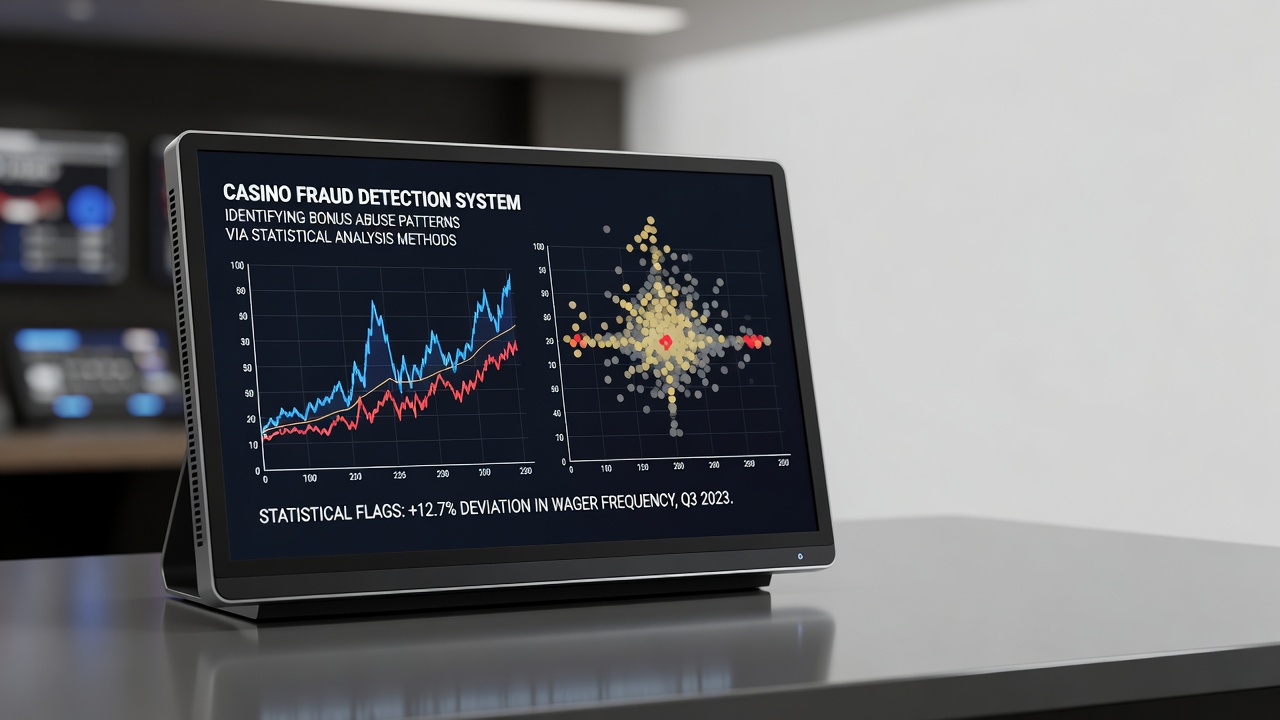
Look. The whole thing is theater until it is verified on-chain. A live dealer shuffles, deals, shows cards. Beautiful. But if you are a crypto native, you know what you are really asking: can they prove it was fair?
The answer is provably fair gaming. Not in the sense of being actually fair (the house edge exists), but in the sense of being cryptographically verifiable. A dealer cannot rig the shoe. A player cannot claim they were cheated without evidence.
The Cryptographic Handshake
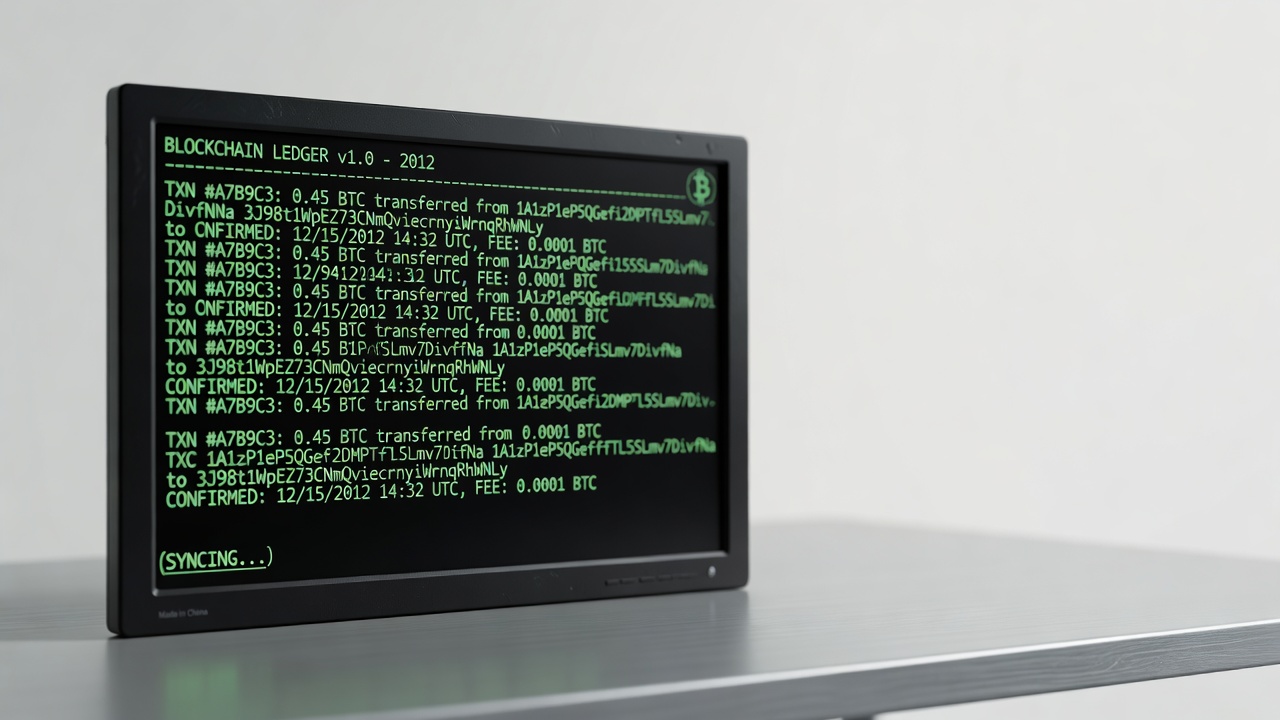
Before the shoe opens, the operator and player establish a commitment. The operator creates a hash from a server seed. Both sides commit. This hash is recorded. Cannot be changed retroactively. Think of it like locking a safe before giving the combination to the player.
Then the round plays. Cards come from the shoe. On-chain, the operator reveals the server seed. The player can verify: did the hash match? If the hash does not match, the operator is caught red-handed. The operator changed the seed after the round, trying to appear lucky.
Major operators including Stake run this protocol. It is auditable. Each hand produces a cryptographic receipt. Players can export thousands of hands and verify them against the operator's claimed seed.
Physical Surveillance And RNG
For the cards themselves, evolution happens in real time. Multiple camera angles. HD feeds. A player can zoom in and watch the dealer shuffle. Watch the cut. Watch the placement. No physical manipulation possible because it is all recorded and the player sees it live.
The Random Number Generator (RNG) for digital aspects runs on audited code. Not black-box. Third-party verification by firms including eCogra. The RNG seed is known. The methodology is disclosed. When you see a card flip in live baccarat, the sequence was determined before the animation started.
This separates provably fair gaming from rigged gaming. Rigged games hide the mechanism. Provably fair games expose the mechanism and let you verify it.
What The Operator Cannot Do
An operator cannot change cards after they are dealt. Cannot swap a shoe mid-round. Cannot pressure the dealer to deal specific cards. Why? Because the recorded video evidence and the on-chain seed commitment would expose the fraud immediately.
A player could screenshot the video. Export the hand hash. Upload both to a forum. Within minutes, hundreds of verifiers check the math. A fraud at a reputable operator (Stake, DraftKings crypto table, BitStarz) would be detected within hours.
Small or unregulated operators? Different story. But the ones large enough to matter, they use this system because the legal and reputational cost of cheating is catastrophic.
The Limitation
Provably fair is not the same as mathematically fair. A game can be provably fair and still have a house edge of 5% or 20% or 50%. The fairness is about process, not outcome. The operator cannot cheat the system. But the system is still designed to make money for the operator.
A player verifying provably fair is not confirming they will win. Only confirming they cannot be robbed via technical manipulation. Everything else about poker, blackjack, roulette remains: the math favors the house.
Regulatory Status
MGA (Malta Gaming Authority) and some other regulators require this standard. UKGC allows it as one acceptable form of security. Curaçao eGaming has fewer requirements but reputable operators exceed them anyway.
The reason: provably fair is good business. It lets operators market transparency. Players see the security infrastructure and trust the game more. The operator gets higher volume because the evidence says they are not stealing.
This is where blockchain actually changes gambling. Not because it makes games fairer (it does not). But because it makes cheating auditable. A player with one laptop can verify thousands of hands. A centralized database could hide a trail. A blockchain cannot.