In January 2015, a man in Toronto opened an online casino account and deposited $47,000 via Interac transfers over three weeks. Each transfer was under the reporting threshold. The casino, registered in Malta, flagged nothing because it had no AML obligation to a Canadian depositor. Six weeks later, the RCMP froze his account. He had been money-laundering proceeds from a credit card fraud ring.
This story has played out thousands of times. Interac makes casinos easy for Canadians to access. Interac also makes casinos easy to launder through.
How Interac Works
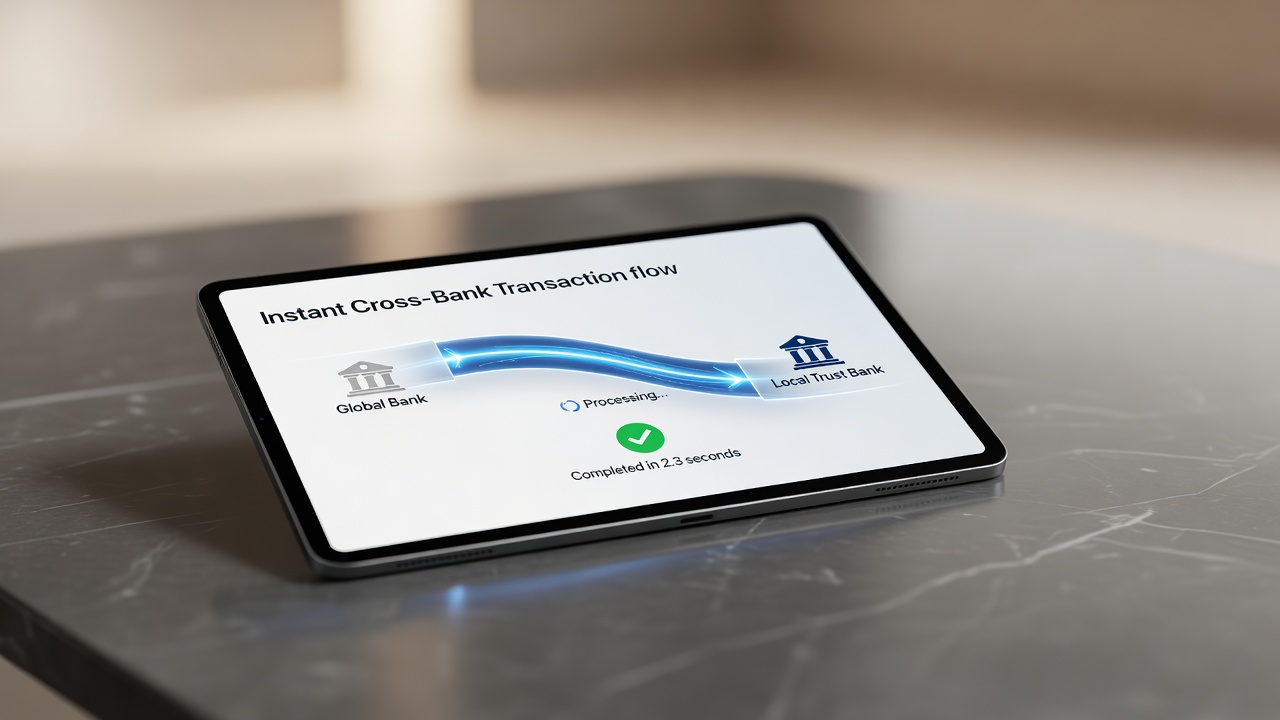
Interac is an electronic funds transfer system owned by Canadian banks. You connect a depositor account at one bank to a casino at another institution (sometimes). Your bank does not know it is a casino; the transaction appears as a transfer to a regular business. The casino receives the funds instantly. Or nearly instantly. Processing is same-day to next-day, usually.
The speed is the appeal. No credit card holds, no pending periods. You initiate a transfer, and the casino has the money hours later. For the casino, Interac deposits do not trigger the chargebacks that credit cards do. Once the money lands, it is final.
Where the Friction Begins
Canadian banking rules require casinos to screen deposits for signs of money-laundering. If a single customer makes five $10,000 transfers in one month, alarms should sound. But Interac transfers from private account to casino account look like any other business transfer. The distinction is not obvious to a compliance officer skimming transaction logs.
This created a gap. Between 2010 and 2018, Canadian-licensed online casinos (Manitoba, British Columbia) and offshore operators accepting Canadian players operated in different regulatory zones. The domestic operators had AML obligations. Offshore operators had none. The offshore operators publicized their use of Interac to Canadians. Canadians used them because deposits were fast and simple.
The Regulatory Response
In 2018, the Canadian Code of Conduct for Operators of Online Casino Sites (COCOS) established that any operator accepting Canadian dollars must apply AML screening consistent with FINTRAC standards. This included Interac deposits. The rule is more aspirational than enforced, but it exists.
British Columbia LGC and Manitoba Lottery Corporation (which license domestic online casinos) now require their operators to flag deposits that exceed $10,000 in a 30-day period, or any sequence of deposits that totals over $10,000 when combined.
The offshore operators? They largely ignore this. Interac remains popular among them because Canadians trust it.
The Player Experience
For someone making a $500 casino deposit via Interac, the process is:
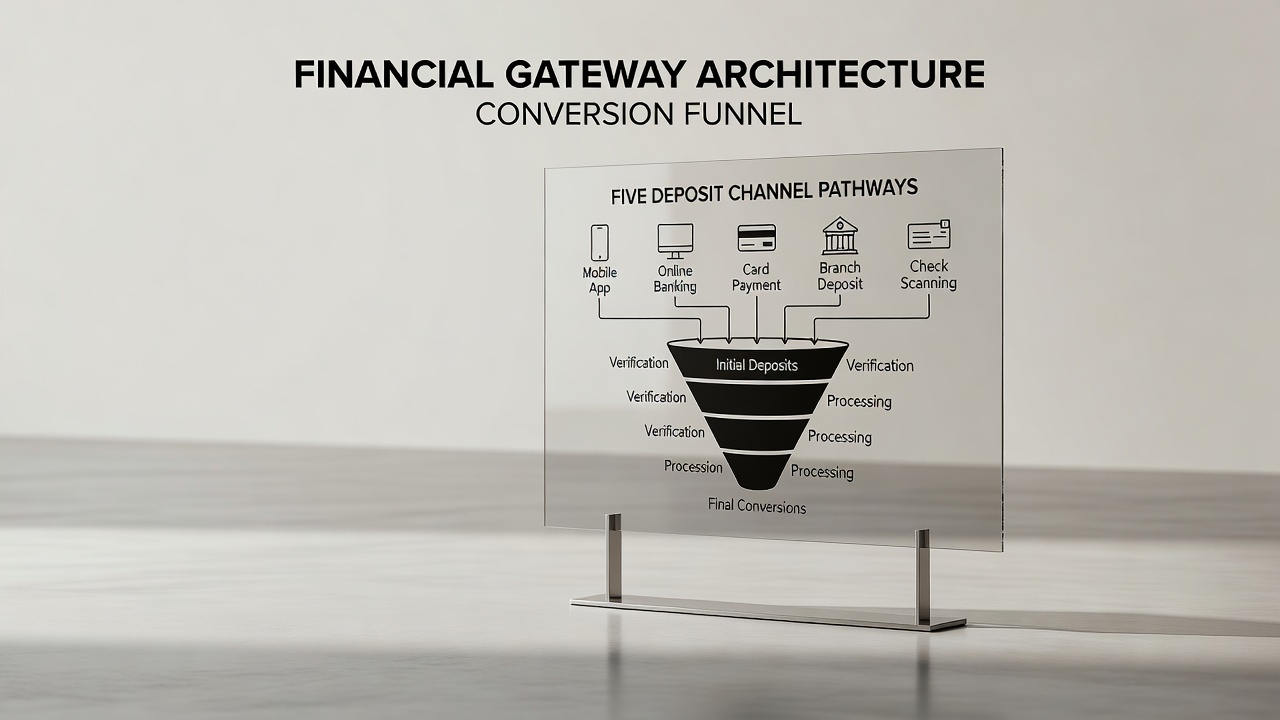
Open your bank account. Go to the casino site. Select Interac option. Enter the amount. You are redirected to a secure Interac page. You authenticate with your bank. You confirm the transfer. Money arrives same-day or next-day.
It is faster and less intrusive than a credit card deposit. You are not creating a separate payment relationship. Your bank handles the transfer; the casino never touches your account number directly.
The Risks
Interac transfers are not guaranteed by deposit insurance. Credit card disputes, if they land in your favor, reverse the transaction. An Interac transfer that lands with the casino is effectively permanent. You cannot reverse it unless the casino voluntarily refunds you.
This is why casinos prefer Interac. It is also why you should not send more than you can afford to lose.
Additionally, Interac transfers, like all financial transactions, can be monitored by FINTRAC for suspicious patterns. If you are making dozens of $1,000 transfers to offshore casinos, you may trigger a reporting requirement. This is not a legal violation, but it creates a record.
The Regional Divide
Within Canada, the British Columbia Lottery Corporation (BCLC) has licensed operators that accept Interac and are regulated. Manitoba has a similar structure. These operators must apply responsible gambling tools, payout player withdrawals promptly, and segregate player funds.
Offshore operators that accept Interac from Canadians have none of these obligations. They may be licensed in Malta or Curacao, but they have no duty to a Canadian regulator.
The smart move: if you are Canadian and want to use Interac, prefer a BCLC or Manitoba-licensed operator. The friction is the same, but the protections are present.