I was on the road during the PASPA years. It was strange work. Congress had made sports betting illegal everywhere except Nevada. So Nevada became the only place to bet legally. The smart money was always there.
The problem with Nevada-only betting is simple: there is only so much money in Nevada. The rest of the country wants to bet. If betting is illegal, the money goes offshore. Underground operators. No oversight. No fairness guarantees.
PASPA (Professional and Amateur Sports Protection Act) was passed in 1992 with the stated intention of protecting the integrity of sports. The mechanism was simple: ban sports betting everywhere except Nevada, Montana, Oregon, and Delaware.
What Congress did not understand (or did not care about) was that making something illegal does not eliminate demand. It just redirects demand to unregulated providers.
The Offshore Years
From 1992 to 2018, sports betting flowed offshore. Operators licensed in Curacao, Costa Rica, and other permissive jurisdictions took bets from Americans. The American government made no effort to enforce PASPA against bettors; they focused on operators.
This created a bizarre situation: Americans could legally bet on sports in Las Vegas, but if you were anywhere else in the country, your only option was an unregulated offshore site. The sites were not inherently dishonest, but they lacked legal recourse. If an operator failed to pay winnings, you had no court to appeal to.
Meanwhile, Nevada's regulated operators complained that they were at a competitive disadvantage. They had to pay taxes, follow regulations, and maintain compliance infrastructure. Offshore operators had none of those costs.
The Case
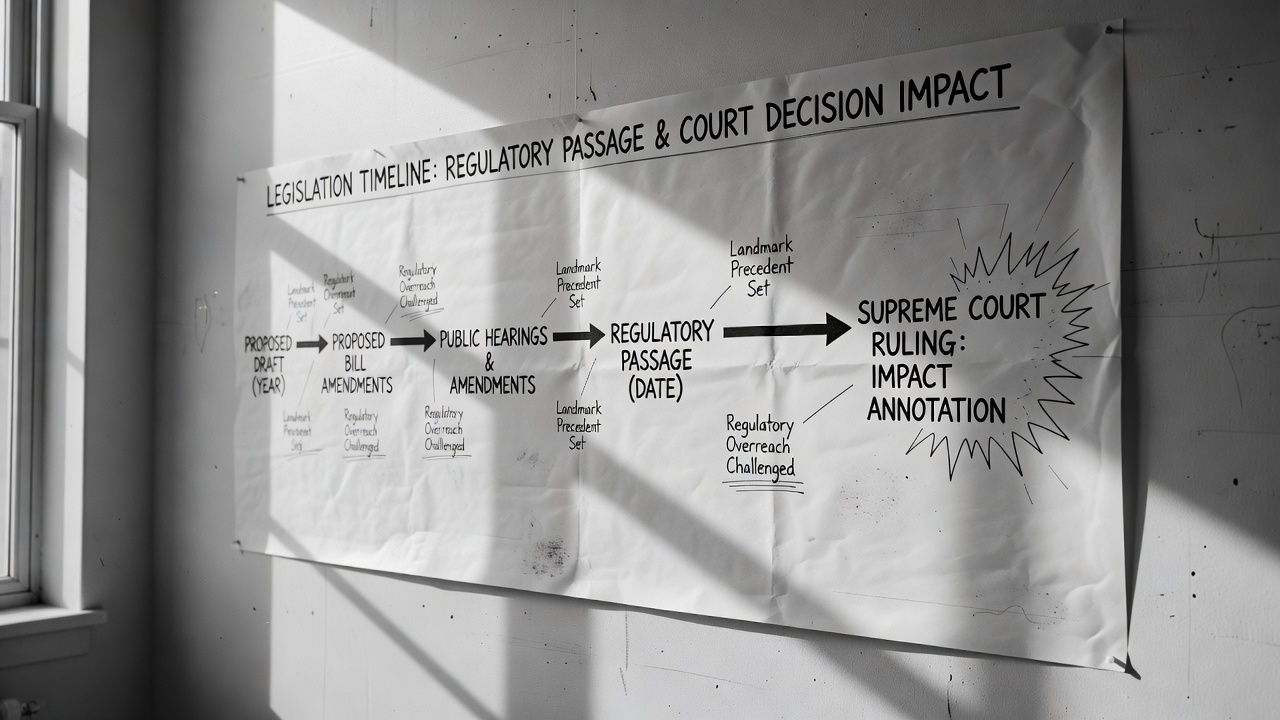
In 2014, New Jersey passed a law permitting sports betting within the state. The federal government sued, claiming PASPA preempted state law. The case went to the Supreme Court.
The Court ruled 6-3 that PASPA was unconstitutional. Their reasoning was that PASPA attempted to prevent states from permitting sports betting while the federal government did not itself prohibit it. This violated the principle that the federal government cannot command states to enforce federal law.
It is a technical constitutional argument, but the practical effect was clear: PASPA was struck down. States could now legalize sports betting if they chose to.
The Rush
After the ruling, states moved quickly. First New Jersey, then Pennsylvania, then New York, then state after state. Within four years, twenty states had legalized sports betting in some form.
The offshore operators faced a choice: obtain legal licensing in the states where they now could operate, or continue operating illegally. Many chose to legalize. DraftKings, FanDuel, and other major operators obtained state licenses.
The regulated market exploded. In 2018, legal sports betting volume was approximately 3 billion dollars. By 2023, it had reached 150 billion dollars.
Why This Matters
The legalization of sports betting redistributed money from offshore operators (who paid no taxes) to regulated operators (who pay substantial taxes and contribute to state budgets). It also created uniform standards across states, so a player in New York has comparable protections to a player in Pennsylvania.
The lesson: prohibition does not eliminate markets; it just moves them underground. The PASPA years demonstrated that when the government bans something, demand does not disappear; it becomes unregulated.
When the government reversed course and legalized sports betting, everyone benefited: states collected taxes, operators collected larger volumes, and bettors gained access to regulated, fair operations.
I have seen a lot of regulatory changes in my career. This one was unambiguously good.