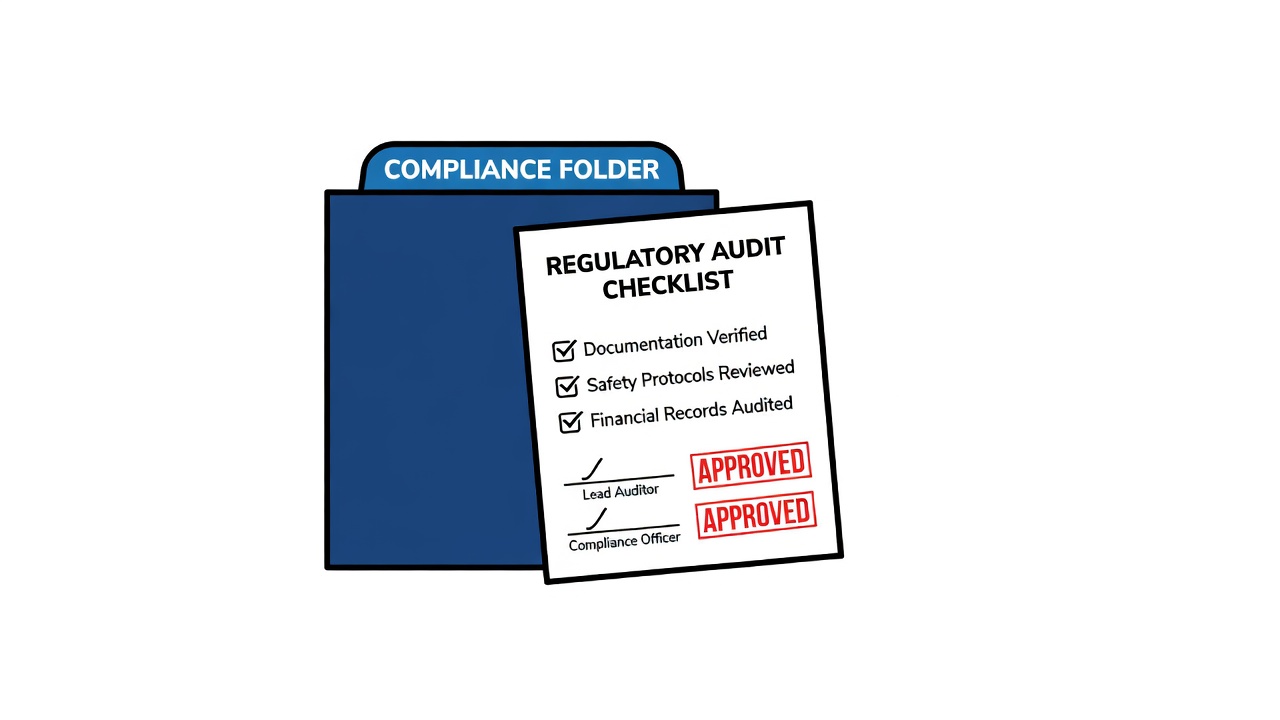
I knew a pit boss at the Mirage. Thirty years on the Strip. One night, late shift, he tells me about the time the Nevada Gaming Commission audited the sports book. They were looking for a reporting discrepancy. My friend had to walk these regulators through every transaction for three weeks. They didn't find anything. Commission was thorough anyway. That's regulation.
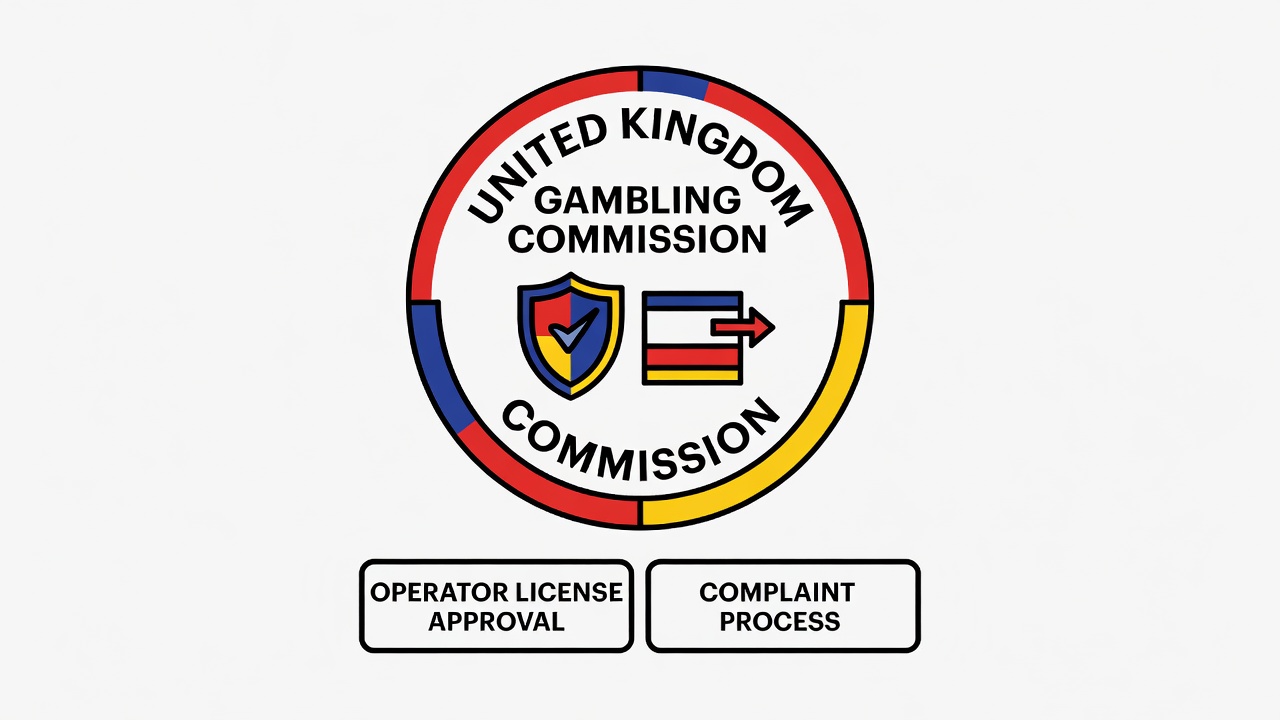
The UK Gambling Commission is the UKGC. They were established in 2007. Before that, you had the Gambling Act of 2005, and before that, a mess. Now the UKGC licenses every major operator that wants to take bets from British players. Bet365, William Hill, Paddy Power, Skybet. All of them. No UKGC license, they don't operate in the UK. It's that simple.
What the UKGC Actually Does
They issue licenses. This isn't a rubber stamp. An operator applies. The Commission looks at capital reserves, anti-money-laundering procedures, responsible gambling measures. If it looks solid, they get a license. If it doesn't, they don't. Cost is in the thousands. Annual compliance is mandatory.
Once licensed, operators have to follow strict rules. A quick list: they have to segregate customer funds from operating capital. They can't use it. They have to test their random number generators yearly with third parties like iTech Labs. They have to maintain anti-money-laundering protocols. Know Your Customer, source of funds verification, all of it. If a customer's trying to deposit 20,000 pounds and the operator can't verify where it came from, they can't take it.
The UKGC also sets responsible gambling requirements. Every operator has to offer self-exclusion tools. Cooling-off periods. Deposit limits. Not suggestions. Hard requirements. If an operator doesn't have these on the site, they're in violation.
When a player complains, the UKGC has jurisdiction. Dispute about a bonus? The operator has to follow UKGC guidance on bonus terms. Complaint about a payout? If the operator's licensed, the player can escalate to the UKGC. If the UKGC finds the operator violated rules, fines get issued. They range from tens of thousands to millions.
What You Should Know as a Player
First: check the license. When you sign up at an operator, scroll to the footer. There's a license number. Use it. Visit the UKGC website, search the license register, and verify it's active. A fake license is a sign of a very bad shop.
Second: the UKGC protects your money through deposit segregation rules. If the operator goes bust, your funds are supposed to be in a separate account. You're not creditors to the business; you have a claim on the customer money. It doesn't always work perfectly, but it's better than unregulated shops where your balance lives on a spreadsheet that evaporates when the owner vanishes.
Third: if you have a dispute and the operator won't resolve it, you can complain to the UKGC. Free process. They'll investigate. This is a real advantage to playing at licensed shops.
Fourth: the UKGC took a harder line on advertising after 2023. Operators have to be more careful about promoting to under-25s, about using celebrity endorsements in certain contexts, about the language they use. If you see marketing that looks reckless, report it. The Commission acts on these.
What the UKGC Doesn't Do
They don't make you money. They don't monitor your bets or tell you if you're gambling too much (though the tools they require operators to provide can help). They don't guarantee you'll win. They just make sure the operator's running a fair game with proper procedures.
The UKGC isn't perfect. Some say they're too light on operators. Some say they're too heavy-handed. But compared to most jurisdictions? They take the job seriously.