The dispute between a player and an online casino is a mechanical failure wearing the clothes of a contract violation.
Most casinos operate under a gaming license in a specific jurisdiction. That jurisdiction enforces rules about what a casino can and cannot do. These rules exist at two levels: the license itself (granted by a government regulator) and the terms of service (agreed to by the player at signup). Dispute resolution is the process of determining which rules were violated and by whom.
The Structural Hierarchy
I've spent twenty years examining how physical casinos manage customer conflict. The Bellagio in Las Vegas has eighteen thousand square feet of gaming floor. The casino hosts roughly thirty thousand visitors daily across twelve hours of operation. Of those thirty thousand, perhaps fifteen will have a genuine complaint by end of day. Some lost more than they intended. Some got drunk and damaged property. Some feel cheated by a dealer.
The physical casino handles these conflicts through an established hierarchy. First: pit boss. Then: casino manager. Then: gaming authority. Each level has clear authority and clear limitations. A pit boss can void a hand but not refund a loss. A casino manager can refund a loss but not overrule the gaming license. The gaming authority can revoke the license entirely.
Online casinos operate with the same hierarchy, but the relationship is inverted. The player must first contact the operator (the casino). If unsatisfied, they contact the regulator (the gaming authority). If unsatisfied with the regulator, they contact a third-party dispute arbiter, usually an external ombudsman or similar body.
The Evidence Problem
Physical casinos have mechanical advantage over players in disputes: surveillance. Eye-in-the-sky footage shows exactly what happened at the table. A claim of cheating can be checked against footage. A claim of incorrect payout can be checked against the hand dealt and the payout structure displayed at that table.
Online casinos have the opposite problem. Everything is code. A player claims the game didn't pay out correctly. The casino checks their server logs. The server logs show the game ran to specification. But the player can't audit those logs independently. Trust becomes the only arbiter.
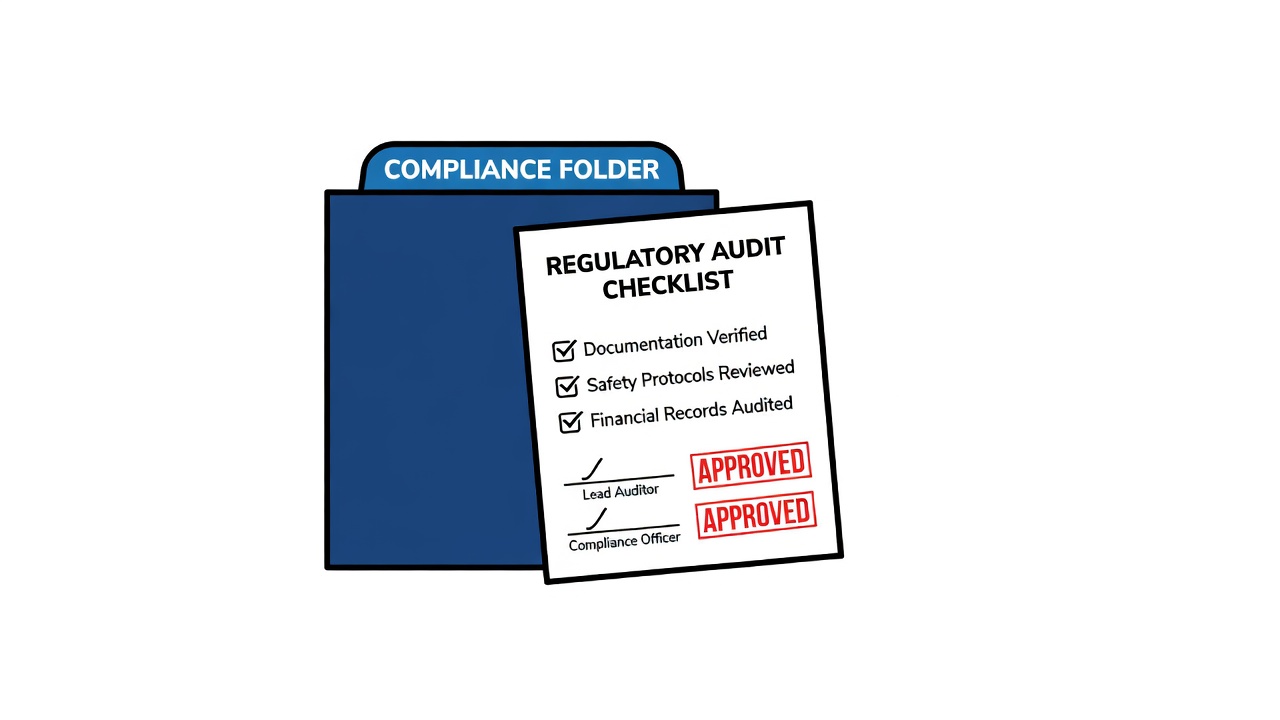
This is why reputable licensed casinos publish independent verification. eCOGRA certification, GLI certification, and similar bodies conduct audits of the gaming code. A licensed operator proves that their random number generator actually generates random numbers, that payout percentages match what they advertise, that security protocols prevent fraud. This audit is expensive and ongoing.
Licensed casinos with real regulation are incentivized to honor legitimate disputes because losing a license costs far more than refunding a three-thousand-dollar complaint. Unlicensed casinos have no such pressure. They can simply refuse the complaint and move on.
What Dispute Resolution Actually Entails
A typical process: player claims an issue. Casino investigates within seven to thirty days. Casino responds with a decision. If the player disagrees, the case escalates to an ombudsman or arbitration body. That body has access to the casino's backend systems but no legal authority to compel refunds. They can only make a recommendation.
If the ombudsman rules in the player's favor, the casino can choose to comply or refuse. What recourse does the player have? Pursue legal action through the relevant jurisdiction's courts. That's expensive. A five-hundred-dollar dispute costs five thousand in legal fees.
The structural inequality is baked into the system. The casino has perfect information about what happened. The player has only what the casino tells them. The arbiter has limited authority to enforce its findings. The player's only real use is the threat of leaving the casino and warning others.
The Real Protection: Licensing and Regulation
Reputable online casinos operate under gaming licenses issued by recognized jurisdictions: Malta, the UK, Curacao, Gibraltar, New Jersey, Pennsylvania. These jurisdictions have actual enforcement authority. They can fine casinos, suspend licenses, or revoke them entirely.
A casino licensed in Malta operates under Maltese gaming law. A complaint can escalate to the Malta Gaming Authority. The Authority has real regulatory power. They can investigate independently. They can compel the casino to refund the player and publicly censure the operator.
An unlicensed casino operates in a legal gray zone. A complaint to an unlicensed casino leads nowhere. There's no regulator to escalate to. There's no legal framework for enforcement. This is why playing at unlicensed casinos is fundamentally risky.
The dispute resolution process only matters if the casino is subject to real jurisdiction. If it is, the process is transparent and has teeth. If it isn't, there is no meaningful dispute resolution at all. It's a fiction designed to look legitimate while providing no actual protection.
The Practical Design of Fairness
I approach dispute resolution the way I approach any institutional architecture: assume good intentions and verify with oversight. A player should verify that the casino's license is real (you can check this on the regulator's website). You should verify that there's an independent dispute body. You should read the complaint resolution timeline before you play.
Then, if a dispute arises, you document everything. Screenshots. Transaction records. Chat histories. You file the complaint with the casino first. You wait their required period. If unsatisfied, you escalate to the regulator or third-party arbiter. You present your evidence.
The casino wants your business. If you prove them wrong through their own records, the reputational cost of refusing the complaint exceeds the financial cost of honoring it. This math only works if the casino has a reputation to lose, which means they need a license and regulatory oversight.
This is not a protection from losing. It's a protection from being cheated. The distinction matters deeply.