As of March 2026, approximately 300 crypto gambling operators accept digital assets. Of these, roughly 65 percent offer stablecoins exclusively. Another 20 percent offer stablecoins alongside volatile coins. The remaining 15 percent accept volatile coins outright.
Why this distribution?
The answer lies in balance-sheet volatility and regulatory liability. A stablecoin, by definition, maintains a fixed price. USDC is pegged to the dollar. Tether claims the same. Bitcoin ranges from 25,000 to 75,000 dollars depending on the month. Operating a casino on Bitcoin means your balance sheet swings wildly. Operating on USDC means it doesn't.
The Operator's Problem
An operator accepts 100 Bitcoin as a deposit. At entry price of 50,000 dollars per coin, that's 5,000,000 dollars on the books. Two weeks later, Bitcoin has rallied to 70,000 dollars. The operator's liabilities just increased by 2,000,000 dollars.
This isn't free money. The operator still owes the customer the equivalent of 100 Bitcoin. They didn't earn anything on the price movement. But if Bitcoin tanks to 35,000 dollars, the operator appears to have gained 1,500,000 dollars. Again, they owe the customer 100 Bitcoin. The volatility is pure accounting noise.
Rules require operators to maintain capital reserves sufficient to cover customer balances. If your balance sheet swings by 2,000,000 dollars on Bitcoin price moves, your effective capital ratio changes dramatically. One day you're compliant with the MGA's capital requirements. The next day, volatility pushed you below the threshold. You're in breach.
The Stablecoin Alternative
Stablecoins solve this. The customer deposits USDC. The price is 1.00 dollar. Two weeks later, the price is still 1.00 dollar. The operator's balance sheet doesn't move. Their capital ratio remains stable.
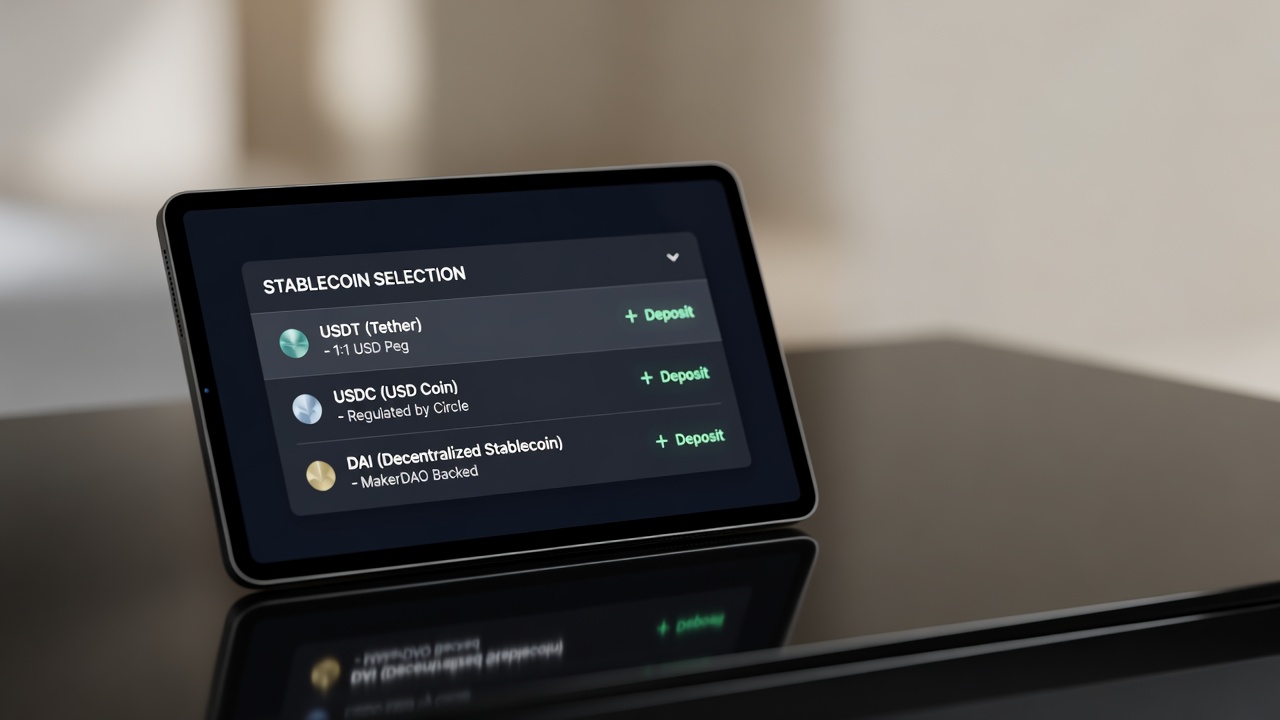
For major stablecoins like USDC, which is issued by Coinbase and fully collateralized by dollars, this is straightforward. USDC is backed by actual dollar reserves held in banks. It trades at 1.00 dollar. The operator accepts deposits, maintains capital, withdraws when requested. No volatility in the liability.
Tether is more controversial. Tether is issued by Tether Limited and claims to be backed by dollar reserves, but the company has been opaque about the reserve backing. Some research suggests Tether is partially backed by commercial paper, not pure dollars. However, Tether still maintains a price very close to 1.00 dollar. The volatility is minimal compared to Bitcoin or Ethereum.
Regulatory Alignment
Regulators like the UKGC and Curaçao eGaming require operators to maintain specific capital reserves. These calculations assume stable currency. If an operator accepts Bitcoin, the regulator must decide: do we calculate capital requirements based on Bitcoin's current price? Do we require a buffer for volatility? Do we require the operator to hedge?
No major regulator has settled on a clear framework for volatile crypto. The smart move for an operator is to avoid the question entirely. Accept stablecoins, and the regulatory math is clear.
Malta Gaming Authority operators have begun accepting crypto, but most have chosen stablecoin-first approaches. They file their reports in euros or dollars. Converting Bitcoin to reporting currency every quarter creates accounting headaches.
Market Data
Of the 10 largest crypto-friendly casinos by monthly volume, 8 operate exclusively on stablecoins. Stake and FortuneJack, two of the largest, do accept Bitcoin and Ethereum alongside USDC. However, their regulatory status is murky. Neither holds a clear license from a tier-1 regulator. They operate in Curacao, under a less stringent regime.
Bet365 and DraftKings, which face UKGC oversight, do not offer direct crypto deposits. They offer crypto payouts to external wallets (withdrawals only) through third-party processors, but this is different from accepting crypto deposits into a crypto-native casino account.
Pinnacle, which operates under Curacao eGaming, accepts Bitcoin and Ethereum on their sportsbook. They did not accept stablecoins exclusively. However, Pinnacle operates at razor-thin margins (their sports betting margins are roughly 2 percent), so volatility matters less to them. An operator with a 3-5 percent margin cannot tolerate Bitcoin's swings.
The Practical Reality
If you're considering a crypto casino, look at what asset they accept. If they accept USDC, Tether, or other stablecoins exclusively, the operator is prioritizing compliance and stability. This is usually a good sign. They're not trying to exploit volatility. They're not trying to hide reserves in volatile assets.
If they accept Bitcoin and volatile coins, ask yourself: what's their incentive? Possible answers: they operate in a very loose jurisdiction (Curacao) where volatility requirements are unclear, they're sophisticated enough to hedge their exposure, or they don't plan to be around long enough for it to matter. The last possibility is the riskiest.
The trend is clear. As crypto gambling matures and moves toward licensing in tier-1 jurisdictions, stablecoins will likely dominate. The operators taking this path now are preparing for a more regulated future. That's worth noting.