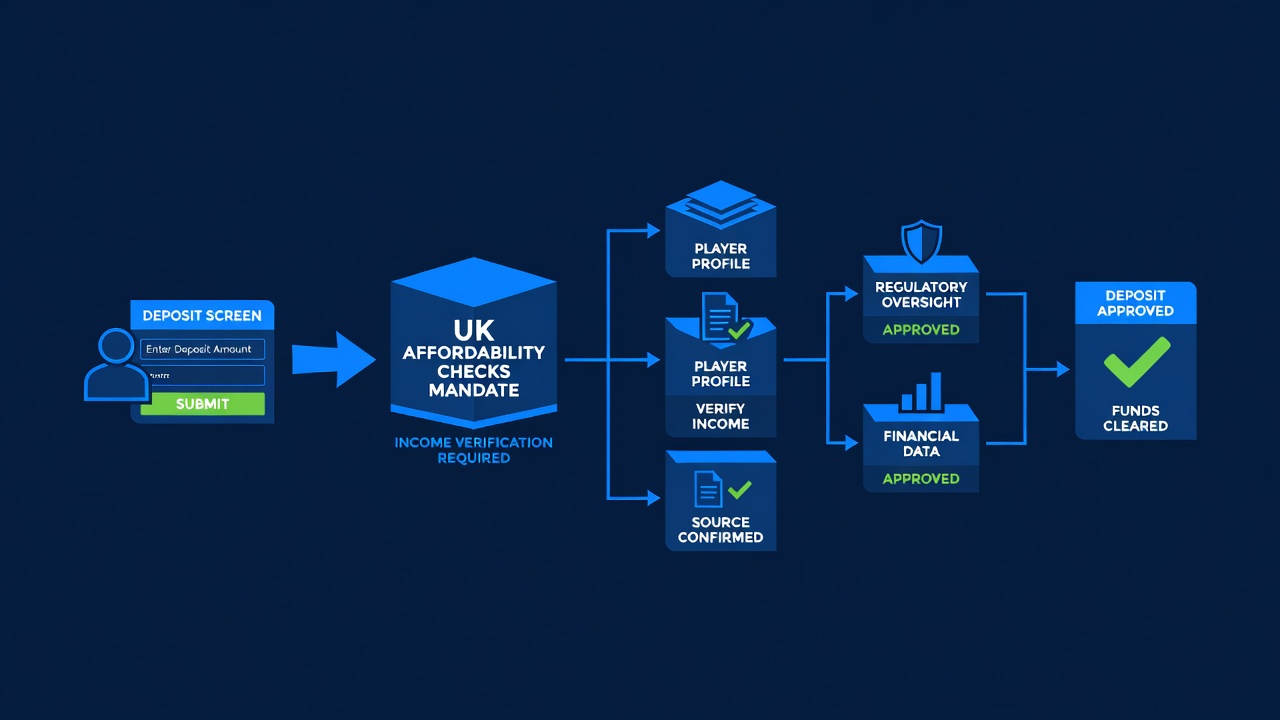
The United Kingdom now requires all operators to conduct affordability checks. Not for fun. Not for brand reputation. Because the law mandates it. Section 13D of the Gambling Commission's guidance states it plainly: operators must assess whether a player can afford their wagering.
What does "afford" mean? It means: given this person's income and expenses, is this wager reasonable? If you earn $40,000 per year and you want to place a $500 daily sports bet, the math suggests you cannot afford it. The operator must flag this and either deny the bet or require further assessment.
The Implementation
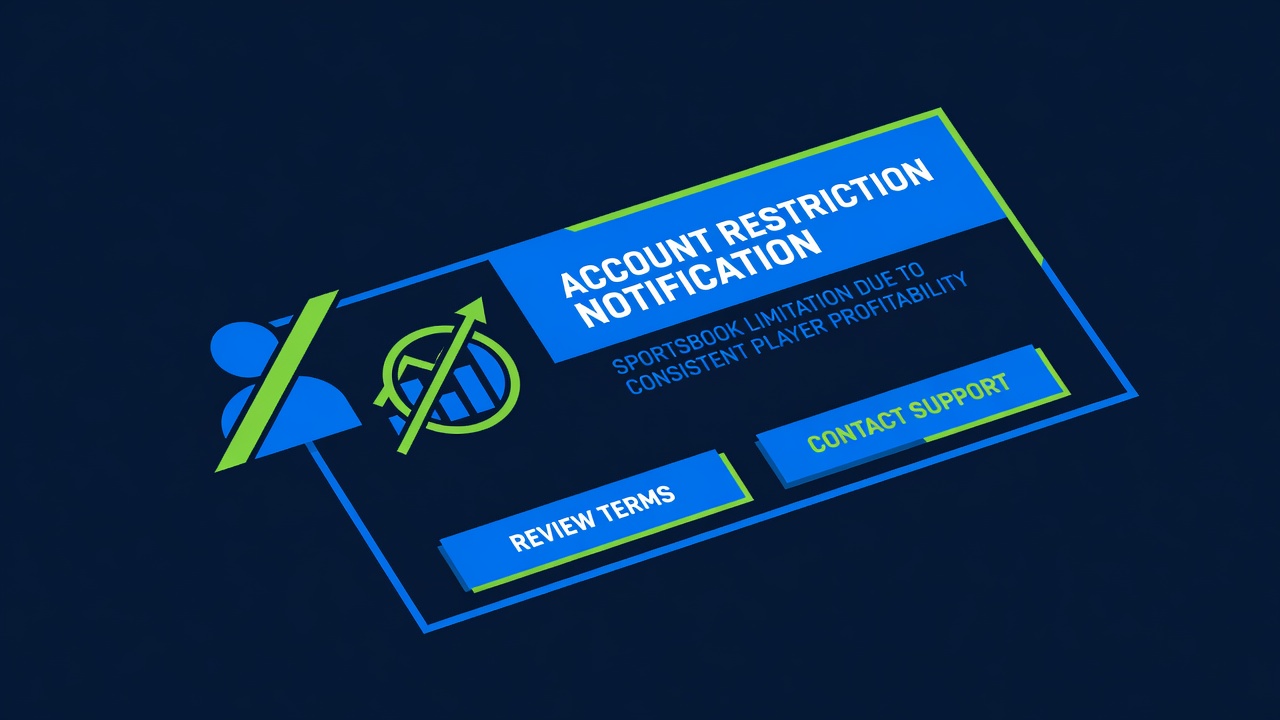
Operators vary in how seriously they implement this. DraftKings and FanDuel take it seriously. They ask players about income. They ask about expenses. They track spending over time. If a player's pattern diverges from their stated income, they will restrict the account.
Other operators do minimum compliance. They show a warning. They allow the bet anyway. The letter of the law is met. The spirit is violated.
The Gambling Commission has fined operators repeatedly for inadequate affordability checks. William Hill: $25 million. Bet365: $18 million. GVC Holdings: $13 million. These are not small penalties. They are structured to hurt enough that operators take it seriously.
What Triggers A Check
A new player opens an account. Automatic check. Income assessment. Expense categories. Credit score (in some jurisdictions). The operator builds a risk profile.
A longstanding player suddenly increases their wagering by 50%. Check triggered. The operator will contact the player. Is this increase sustainable? Has something changed in your financial situation?
A player loses significant money over short period. Check triggered. Can this person still afford to wager?
The checkpoints are reasonable on paper. Implementation is often inconsistent.
The Behavioral Effect
An affordability check does something interesting: it creates friction. A player who wanted to place a reckless bet must now justify it. Or admit they cannot afford it. Or quit.
This friction has been shown to reduce problem gambling. Players who are forced to confront whether they can afford a bet are less likely to make that bet.
But friction is also unpopular. Players hate being asked. Operators hate reducing bets. Everyone would prefer frictionless betting.
The regulation insists on friction. Because without it, too many people lose too much.
The Pushback
Operators in regulated markets argue that affordability checks reduce competition with unregulated operators. An unregulated sportsbook takes all bets from anyone. A regulated sportsbook must assess affordability first.
This argument has merit. A gambler who cannot afford a bet in the regulated market can immediately move to an unregulated market and place it anyway.
But this is why the regulation exists. To make the easy path (the regulated path) a safer path. If the easy path is safer, more people take it. If they take the regulated path, at least someone is watching to make sure they do not destroy themselves.
The Limits
An affordability check cannot prevent someone from losing money they cannot afford to lose. It can only make that choice deliberate and documented.
A person who lies about their income will pass the check. A person who has a gambling addiction but does not know it will pass the check. A person who is okay for today but will be broke next month will pass the check.
The regulation is harm reduction, not harm prevention. It acknowledges that some people will gamble. It tries to identify those for whom gambling is particularly dangerous, and slow them down.
For most people, the affordability check is a minor inconvenience. For some people, it is the moment they stop and think: actually, I cannot afford this. That moment, multiplied across thousands of people, justifies the regulation.
In unregulated markets, that moment does not come.