Gus Hansen's career reads like a thriller about a man who found the edges in poker that most players were too rigid to exploit. He was not the most talented player on the circuit, nor the most disciplined. What he was, crucially, was more willing than his competitors to play hands that looked insane on paper.
The Mechanism Behind Chaos
Hansen built his game on two unconventional premises. First, he believed that poker hand values are not fixed; they change radically based on position, stack depths, and opponent tendencies. Second, he accepted losing sessions as a necessary cost of staying unpredictable. Traditional poker education teaches tightness, tightness, tightness. Hansen taught flexibility.
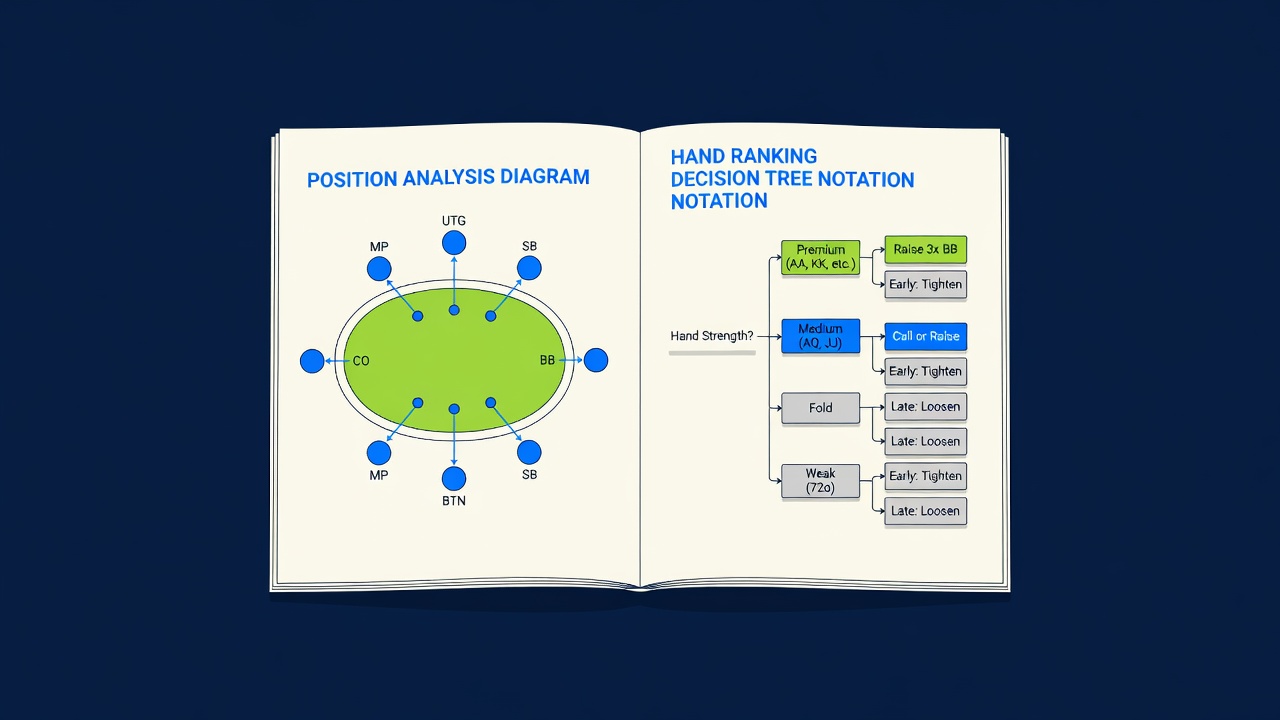
Consider his approach to playing weak hands early in tournaments. Standard tournament theory says fold them. Hansen played marginal hands from the button and cutoff relentlessly, understanding that weak opponents would call too often, creating profitable spots later when he tightened up. This sounds simple until you realize it requires bankroll discipline most players lack. Hansen could afford to lose 300,000 dollars in bad tournament luck because he was making 2 million dollars in side games.
The financial asymmetry matters. Hansen's tournament play was not reckless; it was a carefully calibrated extraction of value from fields filled with tight, predictable opponents. He paid a tax in tournament buyins to collect premiums in high-stakes cash.
Bad Results Hide Good Decisions
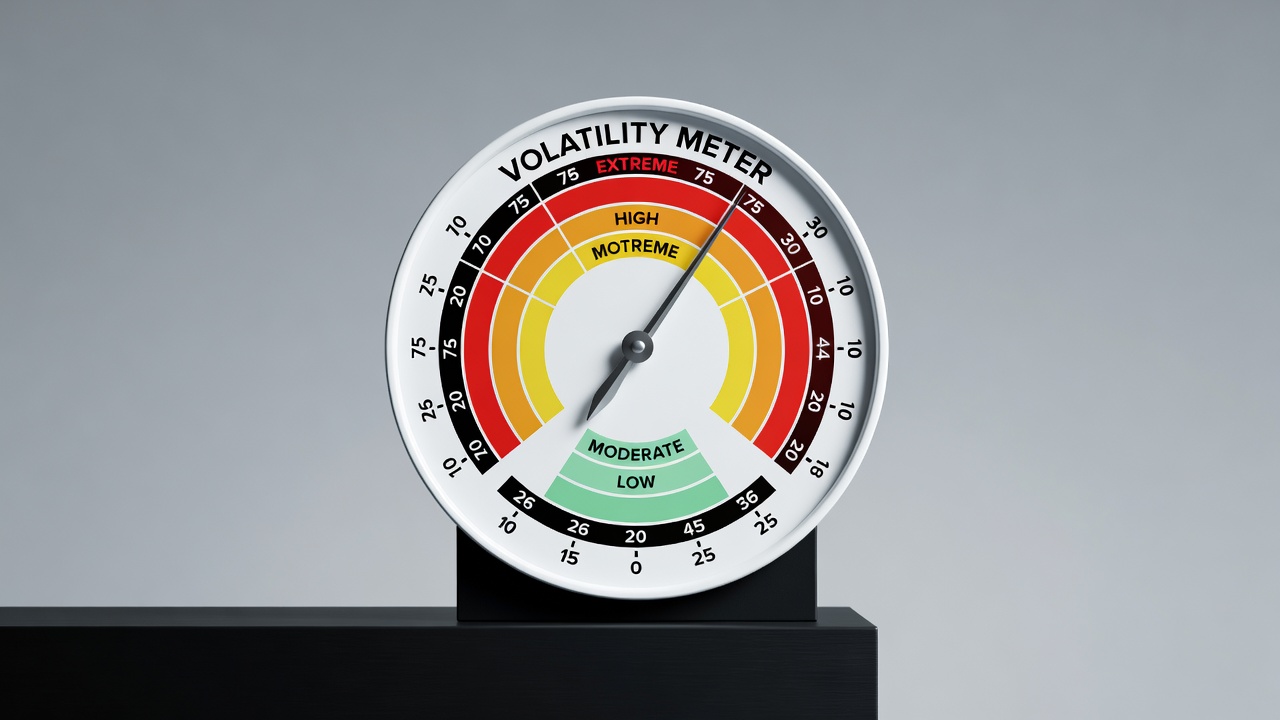
Hansen became famous for early World Series of Poker exits. In 2005, he busted tournaments repeatedly, building a reputation as a spew artist. What the headlines missed was simple: he was making mathematically sound decisions that happened to lose variance-wise. A 3,000 dollar buyin is not expensive insurance against playing unexploitable poker for ten hours.
His most profitable work came at tables in Europe and Asia where he could play 100-200 level games against wealthy amateurs. A single session might bring him 400,000 dollars. The tournament circuit was not where the money was; it was where he sharpened his skills for games where money actually flowed into his stack.
The Copycat Problem
Hansen's bigger impact came from younger players studying his play and adopting his ranges, but without his bankroll or his ability to absorb variance. They would arrive at tournaments overconfident that Gus style was correct, then go broke because they played like Hansen without the ten million dollar bank behind them. Style requires infrastructure.
His book, "Every Hand Revealed," documented one tournament in excruciating detail, showing readers his thought process. What it revealed was not a revolutionary system but rather: gambling sensibly with large sums of money, staying emotionally stable under pressure, and understanding that one tournament result means almost nothing. The flashy part was just the byproduct of discipline.
Today, Hansen is a case study in how poker changed. Newer players trained on solvers and game theory have adopted some of his flexibility but abandoned his variance tolerance. The current generation plays unorthodox poker backed by mathematical certainty, whereas Hansen played unorthodox poker backed by reads and discipline. Both work. Both are expensive.
The lesson for anyone watching: the player who wins is frequently the one comfortable with temporary losses as a cost of long-term gains. Hansen paid that cost more willingly than anyone else at his table.