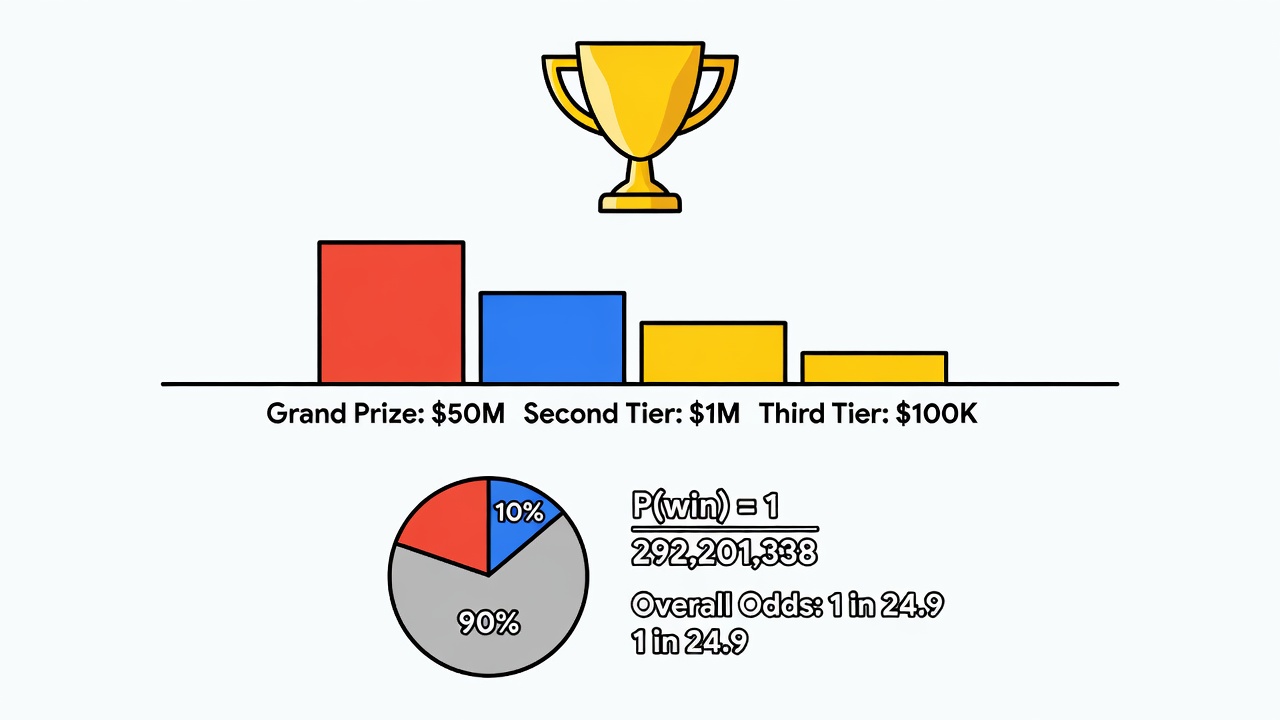
A man buys a lottery ticket on Tuesday for two dollars. For seventy-two hours, he is imagining things. A cabin. A truck. His daughter's college paid for. Two dollars is a bargain for that particular form of hope.
Deposit limits work the same way, except you're paying to imagine with your actual voice in the room. You're not pretending anymore. You're there. The lights are hitting your face. The dealer knows your name.
The mathematics say you'll lose money. The mathematics are right. But the mathematics miss something important: you're not buying a positive expected return when you sit down at baccarat. You're buying permission to feel like a player instead of a person with idle time.
How Limits Reshape Your Session
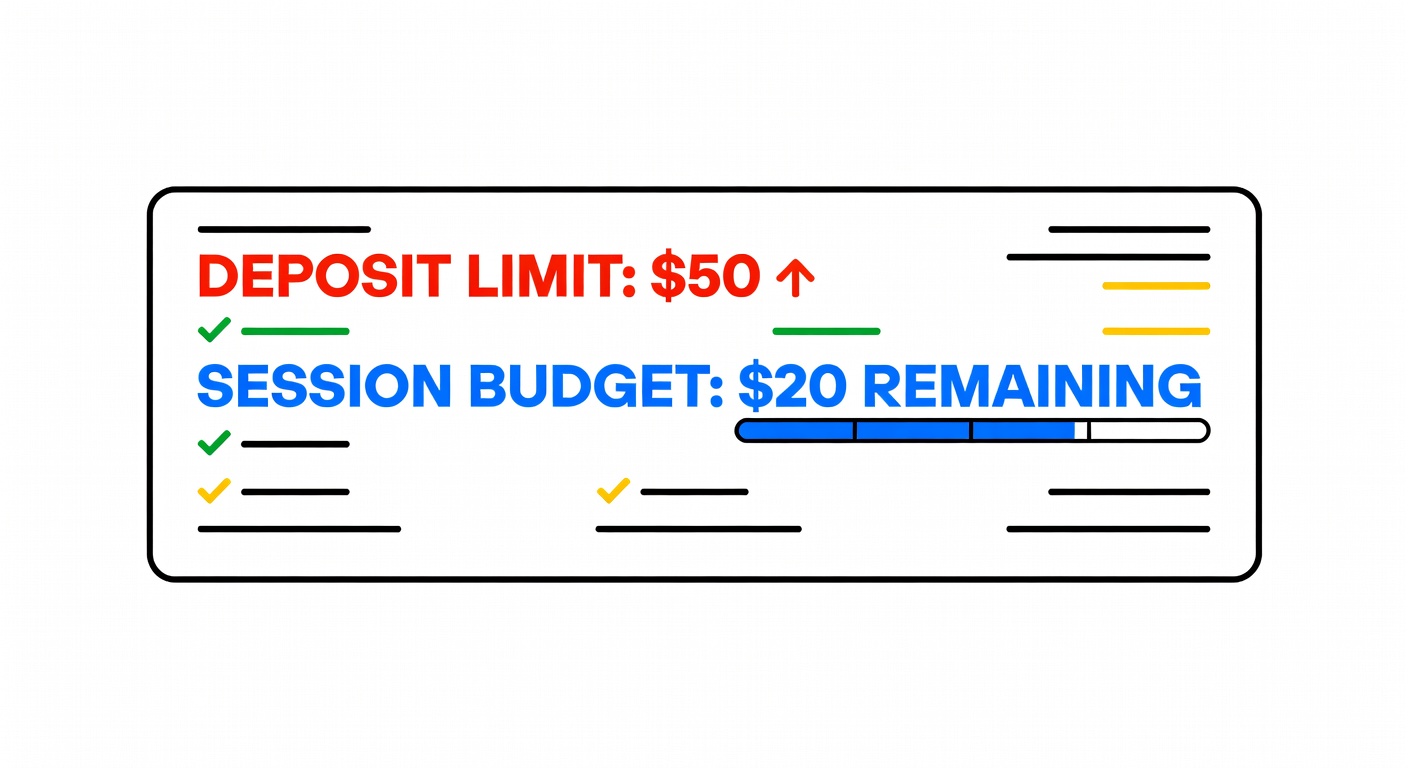
I've watched players walk up to a table with a five-hundred-dollar deposit limit. They treat those five hundred dollars like a long time. They place fifty-dollar bets. They play ten hands. They lose forty percent of the stack over two hours. But here's what's different: they're done. The limit is hard. They cash in their chips and go have dinner.
The same player without a limit walks to a table with a thousand. After the same two hours of losing, they have five hundred left. Do they stop? Almost nobody stops. They reload. The afternoon becomes the evening. By midnight, the thousand is gone and they're staring at another reload, and another.
Deposit limits are not moralizing tools. They're friction. They're the wall that says: this is the price you pay for being here. Once the price is paid, you're done. You don't have to renegotiate with yourself.
The Psychology of the Hard Stop
Most people are bad at voluntary stopping. It's not weakness. It's attention. When you're at a table, the room is designed to make you forget you have a choice. The carpet doesn't show time. The ceiling is engineered to feel distant. There's no clock. There's only the next hand.
A deposit limit turns a personal decision into a structural decision. You don't have to be strong. The house rule does it for you. When your five hundred is gone, you're gone. Not because you're disciplined. Because you're ruled.
This is why casinos actually like deposit limits now. They cut into the tail-risk players who turn a fun evening into a financial emergency. A regulated operator like DraftKings or Bet365 uses deposit limits not just for compliance with the UKGC and MGA, but because the lifetime value of a player who stops at five hundred repeatedly is higher than the lifetime value of a player who blacks out entirely and disappears.
The Question of Whether You Should Use One
If you're the kind of person who goes in with a plan and sticks to it, you don't need the limit. But how many people are actually like that? Most humans are not that good at self-regulation in a room designed to make them want more.
A fifty-dollar session limit on a low-stakes roulette game isn't cautious. It's honest. You're saying: this is what I can afford to lose and still go to work Monday without being a disaster. You're not trying to beat the game. You're trying to stay sane.
The deposit limit is you negotiating with your future self. It says: I trust that future version of me isn't going to be as clever as present me. I don't want future me making decisions based on chasing. So I'm tying his hands now.
Where Limits Fail
Deposit limits don't prevent problem gambling. They slow it down. A player with a two-hundred-dollar limit can come back tomorrow. And the next day. And the next. The limit per session doesn't touch the frequency problem.
But they do prevent the catastrophic session. The night that costs rent. The hand that turns a hobby into a hole. They're not a cure. They're a shock absorber.
The philosophical part: you're accepting that you're not in control of your own impulses. That's hard to admit. Most people don't. Most people think they're the exception who can stop whenever they want. Most people are wrong. The deposit limit is you, in a lucid moment, refusing to believe your own bullshit.