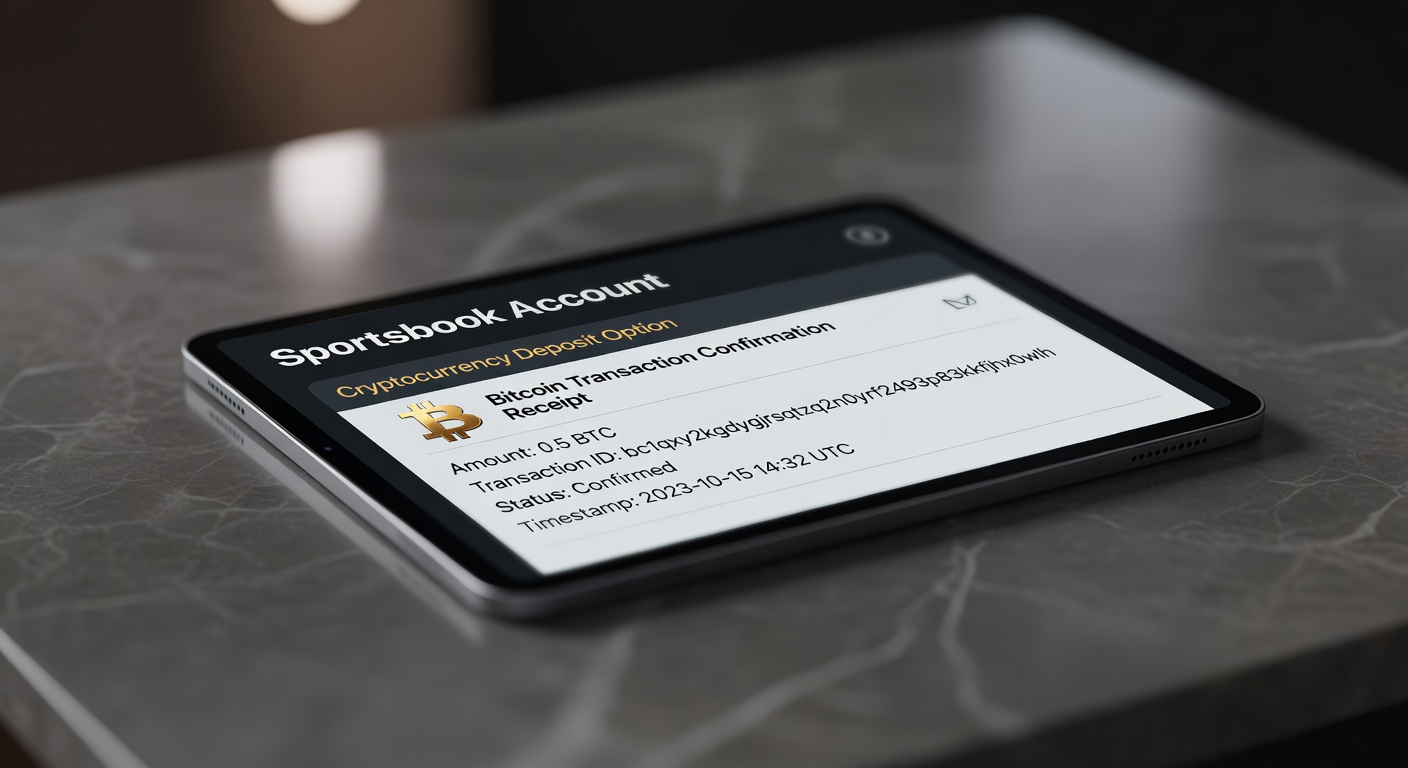
The choice between a Bitcoin sportsbook and a fiat-currency sportsbook is not purely a question of payment preference. The two models operate under different regulatory assumptions, impose different obligations on both operator and customer, and carry different risk profiles. What follows addresses the practical differences as they stand in 2024.
What is a Fiat Sportsbook?
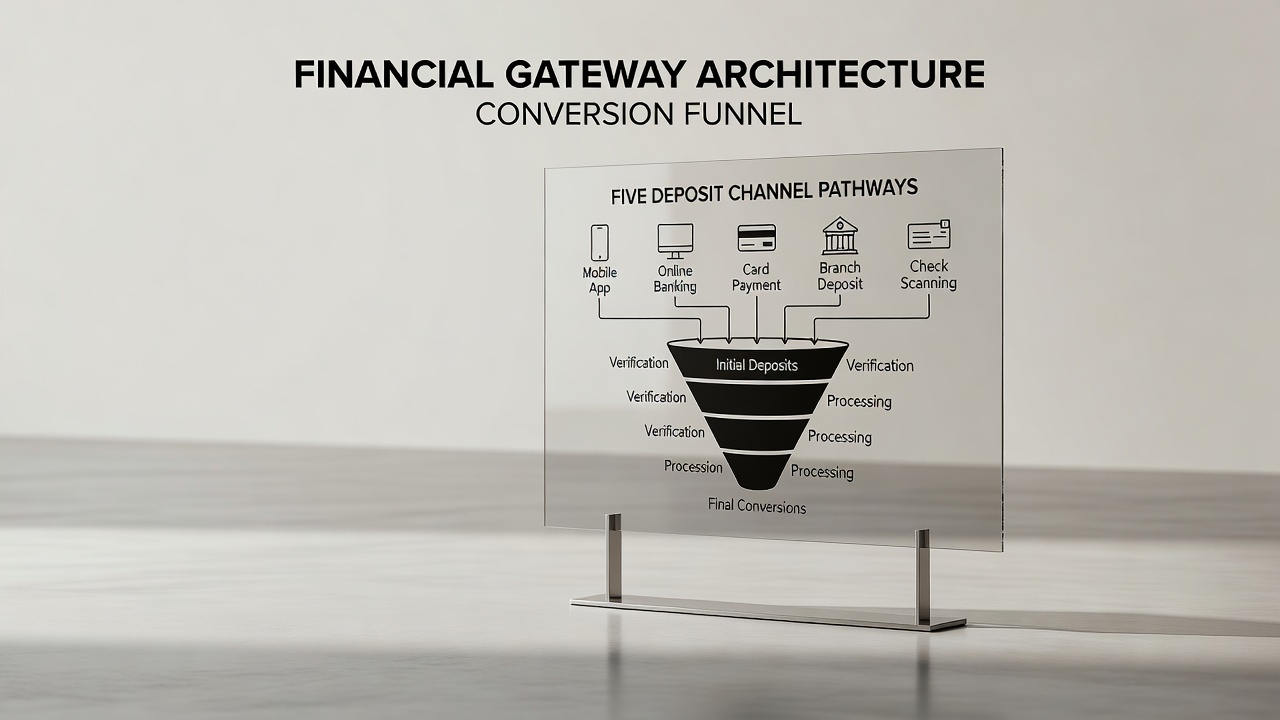
A fiat sportsbook accepts deposits and pays winnings in government-issued currencies: euros, pounds sterling, Swedish kronor, and so on. It processes payments through licensed payment service providers (PSPs) operating under PSD2 in the European Economic Area, or equivalent frameworks elsewhere. Accordingly, deposits are typically subject to Know Your Customer (KYC) verification before significant withdrawals are permitted, and operators are required to file Suspicious Activity Reports (SARs) with national financial intelligence units when transactions meet AML thresholds.
Operators of fiat sportsbooks must hold gambling licenses in the jurisdictions where they accept players. The UKGC issues licenses to operators serving UK customers and requires them to apply Enhanced Due Diligence to high-value or high-frequency players. The MGA in Malta licenses many operators serving continental Europe. In practice, a player at a fiat sportsbook can expect to verify identity documents before withdrawing above roughly EUR 2,000 at most MGA-licensed properties.
What is a Bitcoin Sportsbook?
A Bitcoin sportsbook accepts BTC (and often other cryptocurrencies) as the primary deposit and withdrawal mechanism. The majority of such operators hold Curaçao eGaming licenses, which impose lighter KYC requirements than MGA or UKGC licenses. Some operate without any license and rely on the pseudonymous nature of blockchain transactions as a de facto compliance substitute.
Transactions settle through the Bitcoin network rather than through a PSP. Therefore, there is no third-party financial institution that can reverse a deposit, freeze funds, or flag the transaction to a financial regulator in real time. Confirmation times on the Bitcoin network depend on block congestion and the transaction fee paid, but in practice a confirmed deposit typically clears in 10 to 60 minutes.
Q: Which model offers faster withdrawals?
For large withdrawals, Bitcoin sportsbooks generally process faster. A fiat sportsbook licensed by the UKGC must complete KYC checks on any player requesting a withdrawal above certain thresholds, and where Enhanced Due Diligence applies, that process can take several business days. A Bitcoin sportsbook with minimal KYC may release a withdrawal within the same session.
The caveat is that BTC itself adds a layer of volatility. If the withdrawal takes 40 minutes to confirm and the Bitcoin price moves 3% during that window, the customer's effective payout has changed. Fiat withdrawals have no equivalent price risk once the sportsbook initiates the transfer.
Q: Which model has better regulatory protection for the customer?
Fiat sportsbooks operating under UKGC or MGA licenses offer materially stronger protections. Dispute resolution is mandatory: UKGC licensees must participate in an approved ADR scheme, and players with unresolved complaints can escalate to eCOGRA, IBAS, or similar providers. If the operator becomes insolvent, customer funds held in segregated accounts are protected under UKGC rules.
A Curaçao-licensed Bitcoin sportsbook provides no equivalent guarantee. Curaçao eGaming does not operate an ADR scheme comparable to UKGC requirements. If the operator disputes a payout, the customer's practical options are limited.
Q: What are the KYC implications?
Fiat sportsbooks are legally obligated to collect KYC documentation. The EU's 4th and 5th Anti-Money Laundering Directives require operators to verify customer identity before establishing a business relationship. In practice, this means submitting a passport or national ID, proof of address, and occasionally a source-of-funds declaration for high-volume accounts.
Bitcoin sportsbooks on Curaçao licenses frequently require minimal KYC for smaller accounts. This reduces friction for the customer but also means the operator is less able to protect a customer whose account is accessed fraudulently, since there is no verified identity on file to anchor dispute resolution.
Q: Is using a Bitcoin sportsbook legal?
This depends entirely on the player's jurisdiction. In the UK, betting with an unlicensed operator (which most crypto-only books are, relative to UKGC requirements) is not a criminal offense for the player, but winnings may not be recoverable through UK courts if disputed. In Germany, online sports betting is only legal with locally licensed operators; using an unlicensed Bitcoin book would place the player outside the regulated market. Players in the US face state-by-state rules that bear no relationship to the operator's licensing jurisdiction.
The prudent approach is to determine whether sports betting is legal in the player's own jurisdiction before the question of payment method becomes relevant.
Summary Comparison
- KYC burden: Fiat sportsbooks: mandatory. Bitcoin sportsbooks: varies, often minimal on Curaçao-licensed platforms.
- Withdrawal speed: Bitcoin sportsbooks generally faster for large amounts, absent price volatility risk.
- Dispute resolution: Fiat books under UKGC/MGA: mandatory ADR. Bitcoin/Curaçao: operator discretion.
- Fund security: Fiat UKGC-licensed: segregated accounts required. Bitcoin books: no equivalent regulation.
- Regulatory oversight: Fiat: UKGC, MGA, national authorities. Bitcoin: typically Curaçao or unlicensed.
Neither model is uniformly superior. The right choice depends on how the player weighs transaction privacy against regulatory protection, and how much verification friction they are willing to accept in exchange for enforceable dispute rights.