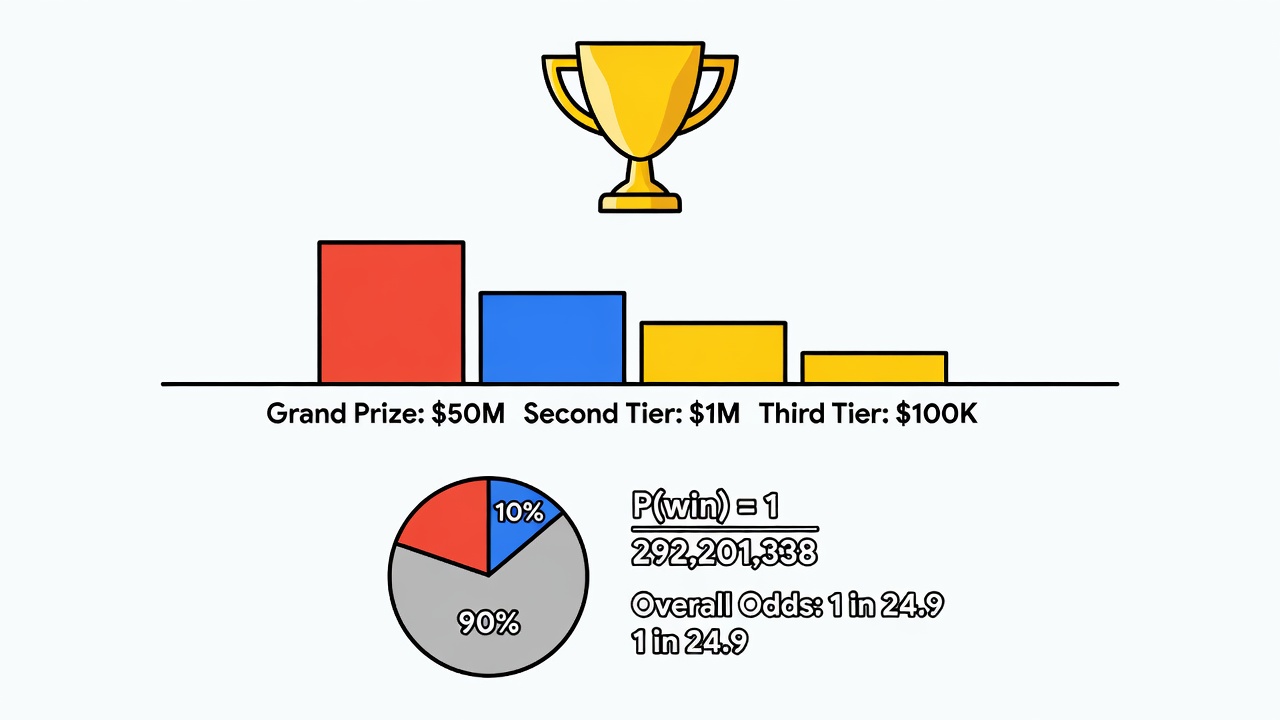
I buy a lottery ticket once a week. Two pounds. The fantasy lasts 72 hours. If I win, the fantasy becomes reality, temporarily.
Crypto gambling is the same, but the taxation question is murkier because the infrastructure is newer.
The General Principle
Most countries tax gambling winnings as ordinary income. Crypto gambling is gambling. The medium (digital currency) doesn't change the tax treatment.
So theoretically, yes, you should report crypto gambling wins.
The Practical Reality
Enforcement is the question. A traditional casino keeps records and may report you to tax authorities. A crypto casino may not.
If you win at an unregulated crypto casino and withdraw to a crypto wallet, the casino has no requirement to report. The responsibility shifts to you.
Most people don't report crypto gambling wins. This is non-compliance, not legal tax treatment.
By Jurisdiction
UK: gambling winnings (crypto or otherwise) are generally not taxed for recreational players. But if you're a professional gambler, it's business income and is taxable.
US: gambling winnings are taxable. Casinos report large wins (over 1,200 dollars). You report the winnings on your tax return.
Canada: gambling winnings for recreational players are not taxed. Professional gambling is taxable.
Australia: similar to Canada. Recreational winnings are not taxed. Professional is.
Germany: all gambling winnings are taxed at 5 percent (usually withheld by the casino).
Swiss: no tax on gambling winnings.
The Difficulty
Crypto adds complexity. If you deposit EUR 1,000 in Bitcoin, play, and withdraw EUR 2,000 in Ethereum, have you won EUR 1,000 in gambling? Or have you gained from the crypto price movement?
Tax authorities haven't fully clarified this. You could argue the gain is crypto price appreciation, not gambling income.
Most tax professionals recommend treating the entire transaction as taxable (report the gain as gambling income). But it's ambiguous.
The IRS Approach (US)
The IRS (Internal Revenue Service) has issued guidance: crypto gains from any source are taxable. Gambling is no exception.
If you win 100 USDT (Tether) at a crypto casino and it's worth 100 dollars, you have 100 dollars of taxable gambling income.
If that USDT appreciates to 105 dollars before you cash out, the additional 5 dollars is capital gains (taxed separately).
The Reporting
If a crypto casino is regulated and licensed, it may report your win to tax authorities. If it's unregulated, it likely won't.
You're supposed to report regardless. But enforcement depends on the jurisdiction and whether tax authorities monitor crypto transactions.
The Risk
Failing to report gambling income can result in: back taxes, penalties, and criminal prosecution in extreme cases.
The risk is real but low probability (unless your transactions are large or frequent).
The Philosophical Angle
I play lottery because the 72 hours of hope is worth 2 pounds. I don't play to get rich. If I won big, I'd report it out of principle, not fear.
But I understand the economics: most people don't report. Tax authorities can't catch everyone. Compliance is voluntary to a degree.
If you're winning significant money, report it. If you're betting small amounts for entertainment, the risk-reward probably doesn't justify the reporting hassle.
But understand: you should report. The law doesn't change because you're using crypto.