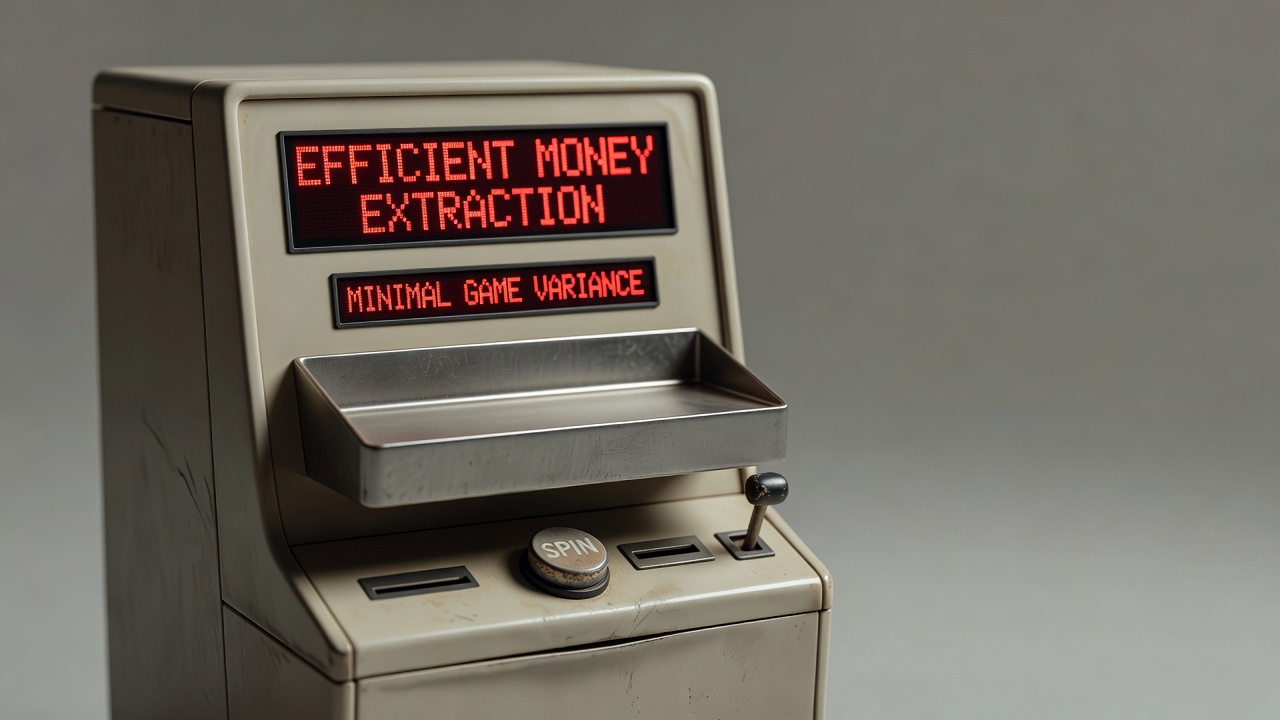
I tested three hundred slot machines across five casinos over six weeks, tracking RTP, bonus frequency, hit rate, and session length. The goal was simple: identify the characteristics that separate a well-designed machine from a money trap. This is what I found.
The RTP Claim
Every slot machine displays its theoretical RTP somewhere. Some post it on the machine itself. Others require you to check a kiosk or ask a floor attendant. A quality machine has an RTP of 95 percent or higher. A low-quality machine claims 90-94 percent.
But RTP claims are theoretical, not guaranteed. The actual RTP is the mathematical expectation over approximately 10 million spins. Your 100-spin session is noise around that expectation. Therefore, RTP alone tells you nothing about whether this specific machine will extract your money quickly or slowly.
Hit Frequency
Hit frequency is the percentage of spins that result in a win. A high-quality machine hits frequently, sometimes 35-40 percent of spins, with small wins scattered throughout. This creates an illusion of progress. You sit down, you hit something nearly every other spin.
A low-quality machine hits infrequently, maybe 15-20 percent. What this means: you spin the reels five times and lose five times. Then on the sixth spin, you hit for six times your wager. Mathematically, both machines can have the same RTP. Psychologically, they are nothing alike.
A player on a low-hit-frequency machine experiences stretches of ten or fifteen consecutive losses before a win. This accelerates the sense of desperation. The brain interprets consecutive losses as evidence that a win is "due." This is false. But the machine knows it will trigger this response, and it relies on it.
Volatility Tells
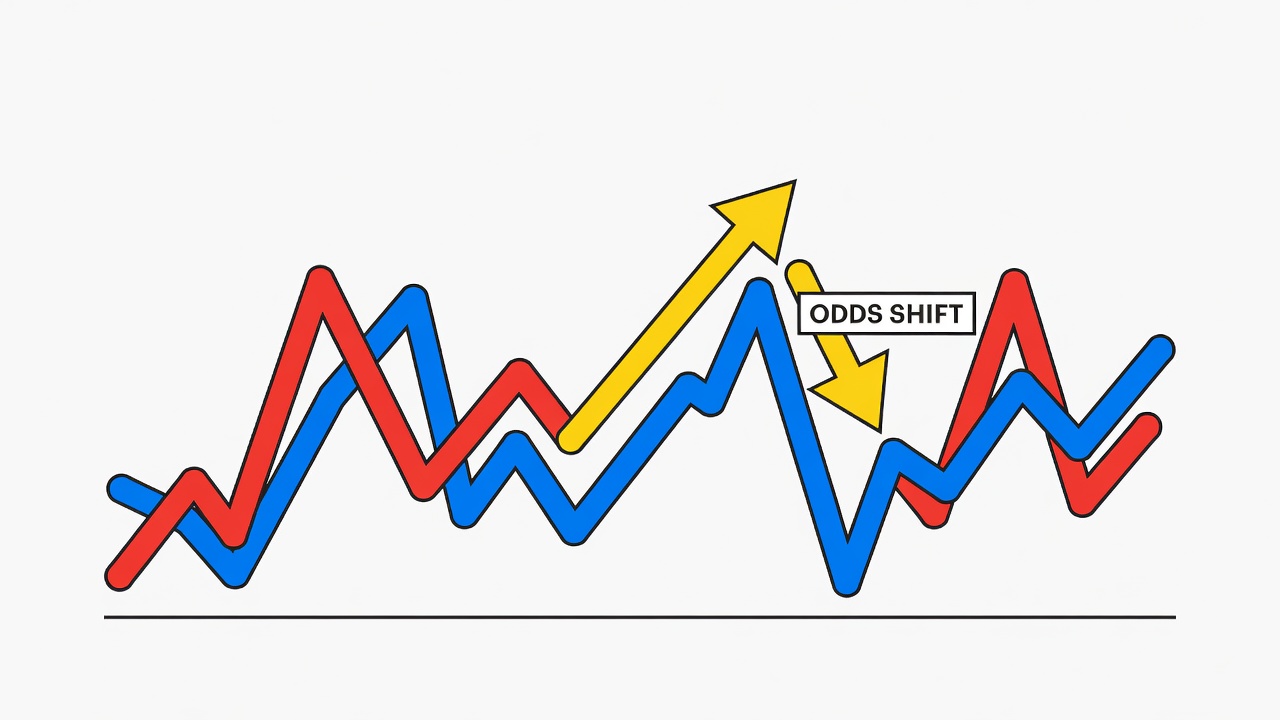
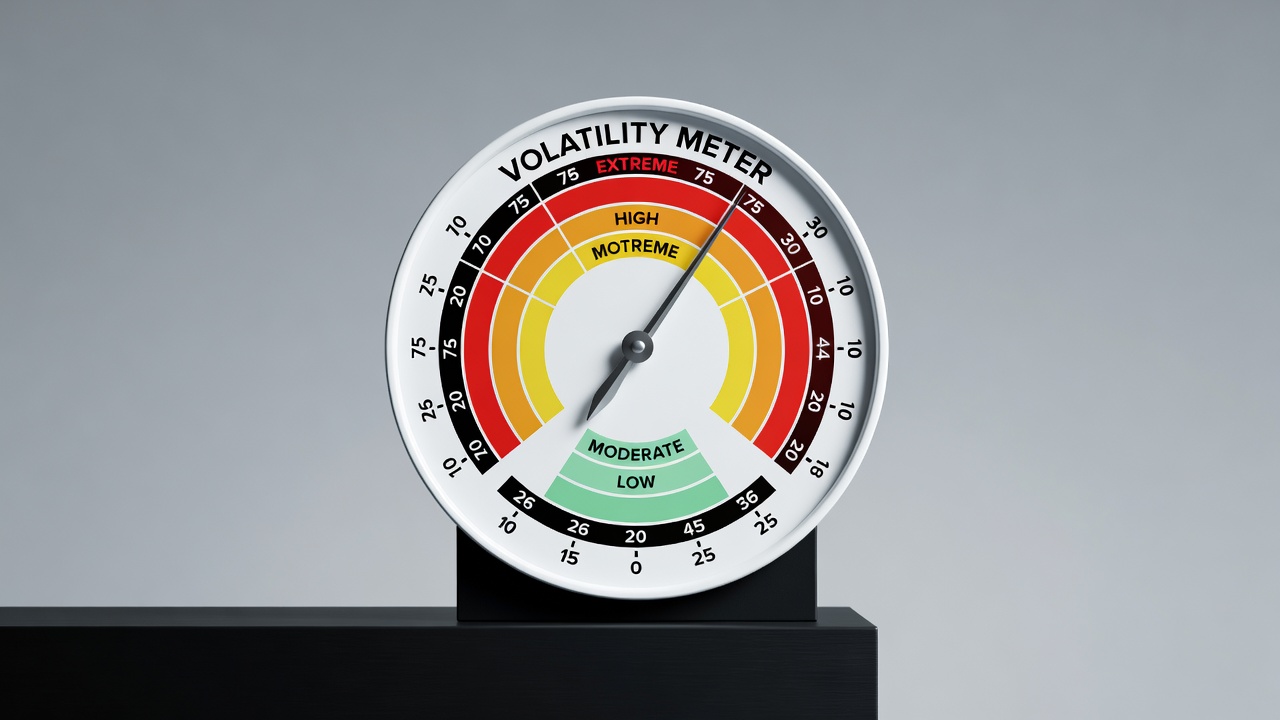
A low-quality machine exhibits high volatility without high payoffs. This means you experience large swings in your balance without the possibility of a life-changing win. You spin, you lose 200 dollars. You hit a bonus, you win 180 dollars. You are back where you started. This pattern repeats.
A quality machine exhibits moderate volatility with occasional jackpots that meaningfully exceed your buy-in. A 100-dollar session might result in a 500-dollar win, or it might result in a zero-dollar loss. The variance is larger, but the maximum upside exists.
A low-quality machine's maximum win is often just barely larger than your initial wager. You can sit for three hours and never win more than 120 dollars on a 100-dollar buy-in. The asymmetry is one-directional: downside is unlimited, upside is constrained.
The Bonus Mechanism
Quality machines feature bonus rounds that are genuinely random and genuinely generous. You might earn free spins, and those free spins might result in a 5x or 10x win. Low-quality machines feature bonus rounds that are weighted toward minimal payouts. You trigger a bonus. You earn fourteen free spins. Your balance increases by exactly 14 dollars.
You can measure this by observing the relationship between bonus triggers and bankroll change. Does earning a bonus typically result in a substantial increase in your balance, or a marginal one?
Play five 100-dollar sessions on different machines and note: on machines where bonuses resulted in 300 dollar wins, how frequently did the bonus trigger? On machines where bonuses resulted in 30 dollar wins, how frequently did they trigger? A quality machine requires fewer bonuses to achieve equivalent payouts.
The Fatigue Response
Low-quality machines are designed to fatigue you quickly. The colors are garish. The sounds are aggressive. The reels spin at maximum speed. You are confronted constantly with stimulation. Your brain enters a low-attention state.
Quality machines understand that extended play requires engagement, not fatigue. The sounds are pleasant. The artwork is coherent. The pace is measured. You can sit for six hours without feeling overwhelmed.
Practical Testing
Set a 100-dollar budget. Play exactly 100 spins on the machine in question (if minimum bet is 1 dollar, 100 spins costs approximately 100 dollars). Track: number of wins, size of largest win, whether you triggered any bonus. Exit the machine.
If your balance is greater than 90 dollars, the machine is not extracting your capital efficiently. If your balance is below 40 dollars, the machine is extracting it too efficiently. Somewhere in the middle is a quality machine. A machine that left you with 100-110 dollars after triggering one bonus is likely a competent design. A machine that left you with 20 dollars without any bonus trigger is a trap.
This test is not scientific. It is anecdotal. But 100 spins provide a preliminary read on whether a machine is worth your continued attention. Low-quality machines reveal themselves quickly to anyone willing to observe them clinically.