The deposit limit is the casino's way of saying it has considered your problem and found it acceptable.
Set a two-hundred-dollar limit on your casino account. You've now prevented yourself from losing more than two hundred dollars in any single day. The feeling is civilized. Responsible. You're being an adult about this. Then Wednesday comes, and you've spent the two hundred, and you think about raising the limit by fifty. Just for this week. Just because the tables feel hot.
Deposit limits are real architecture. They're not theater. Some jurisdictions require them by law. Most major operators offer them to players seriously. But what makes a limit useful is not the existence of it. It's the friction it creates between you and the decision to exceed it.
The Illusion of Protection
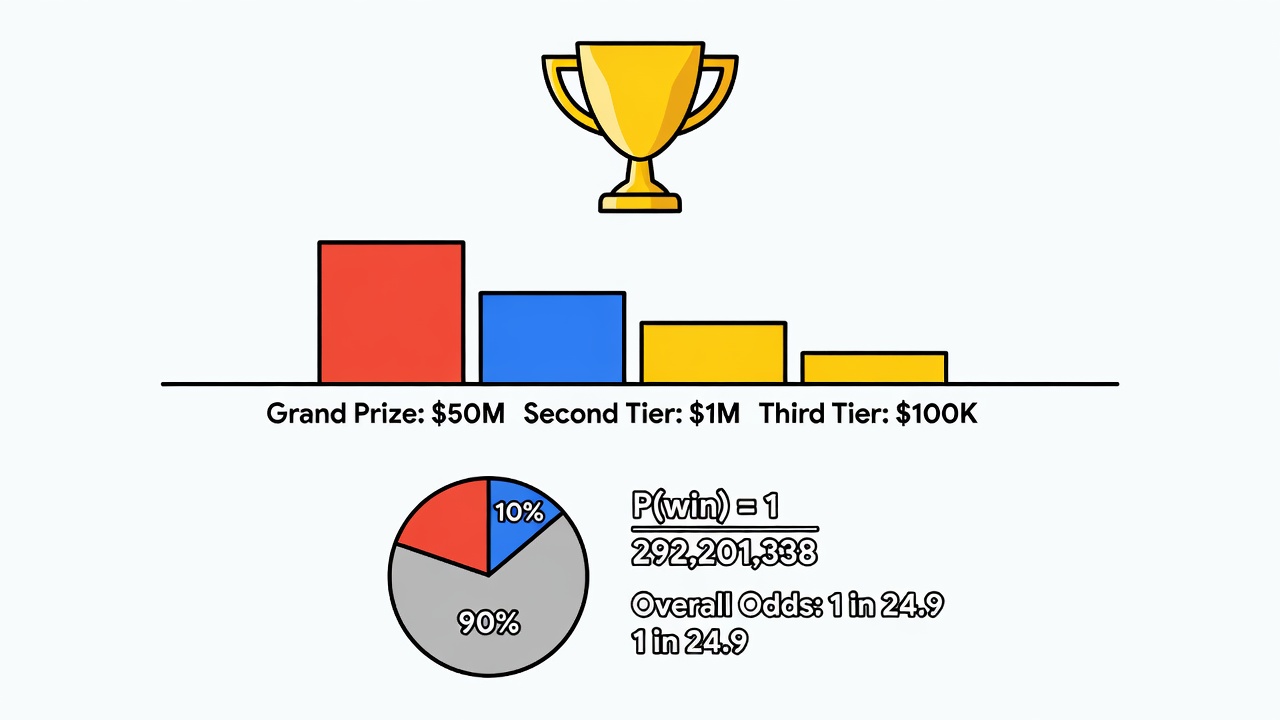
I buy a two-dollar lottery ticket once a week. Sometimes twice. It costs me about a hundred a year. I understand exactly what I'm buying. Not a chance at five million dollars, though that's how the pitch goes. I'm buying the right to imagine a specific version of my life for seventy-two hours. What would I do with five million? Where would I live? Who would I call first?
This is an expensive daydream. One hundred dollars per year is the price I've set on that daydream. It's higher than a movie ticket. Lower than a nice dinner. I've made the trade. Consciously.
Deposit limits appealed to me at first for the same reason they appeal to anyone. They suggest that the activity can be controlled without controlling yourself. A deposit limit on my sports betting account says: you may lose this much, but not that much. The number sits between pure freedom (no limit) and pure abstinence (forbidden activity). It's the middle path.
But the limit isn't a wall. It's a checkpoint. Every time you hit the limit and think about raising it, you're making the decision to spend more. The limit just makes you conscious of the decision. Whether that consciousness changes the decision depends entirely on whether you want it to.
The Math of Session Length
Table games and slots are designed around a specific session length. A player with a two-thousand-dollar bankroll at fifty-dollar baccarat bets can expect to play for thirty to forty hands before going broke. That's maybe thirty minutes. With deposit limits, you're controlling the bankroll size. You're not controlling time or the game design that stretches your money as far as it will go.
A deposit limit of five hundred dollars changes everything for a penny-slot player. Five hundred dollars at penny denomination might sustain you for five hours. Your expected loss is the same, mathematically, but the subjective experience is transformed. Five hours feels like entertainment. Thirty minutes feels like failure.
This is not an argument against deposit limits. It's an argument for understanding what they actually do. They don't prevent problem gambling. They prevent overspending in a single transaction. These are not the same thing.
When the Limit Becomes a Target
Here's what I've noticed: once you set a deposit limit, it begins to function as a target. If your limit is three hundred, you'll eventually spend three hundred. Not because you needed to. Because the limit is there, and you've already decided it's acceptable. The number on the screen becomes your entitlement.
Worse: deposit limits are easy to modify. You wait twenty-four hours, or seven days, depending on the operator's policy. Then you're free to increase it. The friction that made the limit work is now a minor inconvenience. Meaningful friction is difficult to design. It requires legal enforcement, like self-exclusion programs, which actually prevent you from accessing the account at all.
A responsible deposit limit is one you set when you're thinking clearly and can only raise with genuine difficulty. Most operators don't make this hard. They make it inconvenient enough to feel responsible, not hard enough to actually prevent anything.
The Honest Calculation
I've decided that gambling is one of the things I spend money on. Like coffee. Like books. Like the occasional nice meal. The annual cost is written into my budget. Within that budget, I have a weekly limit. Not because it prevents me from losing too much. Because it forces me to ask myself, once a week, whether I still want to pay for this particular dream.
That's what a deposit limit really is, in the best case. Not a safety mechanism. A reminder. It works only for people who want it to work, which is a strange thing to offer someone with a gambling problem.
The casino sets the legal deposit limit knowing it will protect them from liability without actually reducing their revenue. They've chosen a number that looks responsible and feels protective without changing their core business. If you understand that, you can use a deposit limit wisely. If you think it's a safety net, it becomes another expense.