

Arena
Point Spreads
A point spread is the book's predicted margin of victory, turned into a bet. The favourite has to win by more than the spread for a bet on it to win; the underdog can lose by less than the spread, or win outright, and still cover. If the final margin lands exactly on a whole-number spread, the bet is a push and the stake comes back.
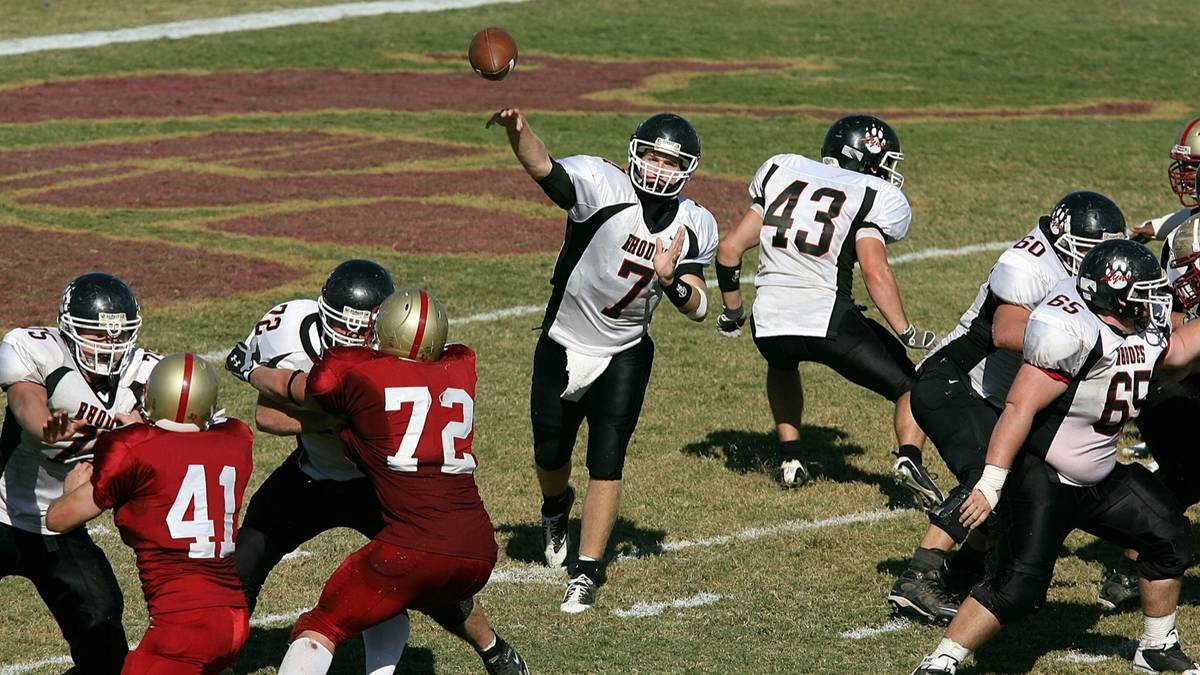
Photo: Keith Johnston on Unsplash
Newest in Point Spreads
How does a point spread work?
The spread exists to make two unequal teams roughly equal as a bet. A line of Chiefs -6.5 against Raiders +6.5 means a Chiefs ticket needs a win by seven or more, and a Raiders ticket wins on anything else. Half points (the .5) remove the push: one side always covers. A whole-number line such as -7 leaves the push in play.
What does -110 next to the spread mean?
That number is the price, and it is where the book takes its cut. At -110 you risk 110 to win 100, so you need to win about 52.4% of your spread bets just to break even. If both sides are priced at -110, the two implied probabilities add up to more than 100%, and that overround is the book's margin. A spread at -105 is a cheaper version of the same bet; one at -120 is a more expensive one. Reading the price is half of reading the line.
Why do key numbers matter?
Final margins are not spread evenly. In the NFL, scoring comes in threes and sevens, so games end by exactly 3 or 7 points far more often than by 2, 5 or 9. Moving a line across a key number (from -2.5 to -3.5, say) changes your chance of covering much more than moving it between two ordinary numbers. That is why books price half points around 3 and 7 differently, and why teasers and alternate lines are judged by which key numbers they cross. Basketball margins are spread more evenly, so key numbers matter less there.
How does SpeedBet cover point spreads?
Every SpeedBet read on spreads turns the line into numbers you can check: the implied probability behind the price, the margin the book is holding, and what a half point is worth at that spot. We work from posted lines and the house rules that settle them, not from tips. We never call a lock.
Where should I start?
Start with what a point spread means, which walks from the line to the break-even rate to the key numbers. If the spread you are looking at is part of a teaser, the teasers hub shows what moving it six points actually buys. For the simplest version of a side bet, with no margin to cover, see moneylines.