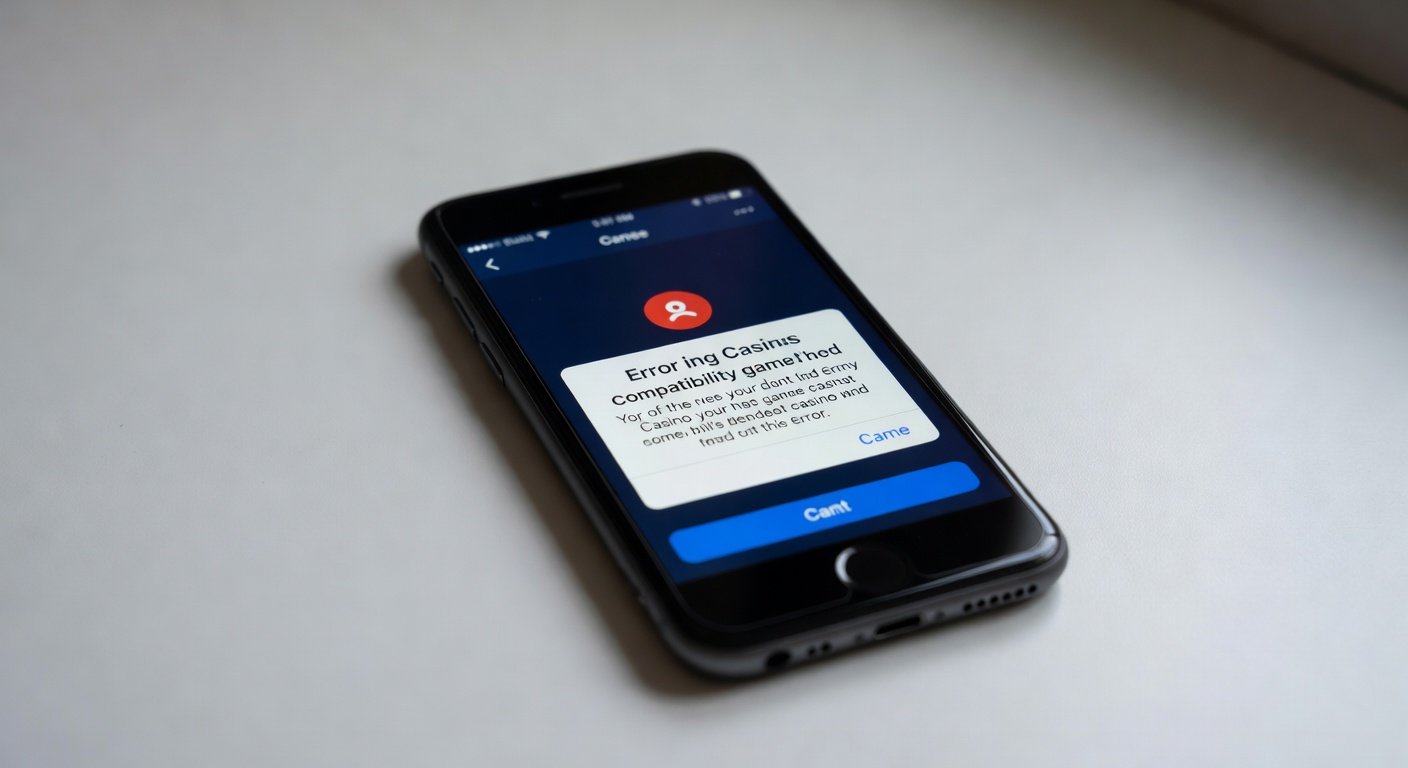
Why does a game load on my laptop but not my phone?
The game is almost certainly running HTML5 in a browser or webview. What runs in Chrome on a Windows laptop uses a recent browser engine with full support for WebGL, Web Audio, and modern JavaScript. An older Android phone, say a device running Android 7 with Chrome 80, may be running a browser engine that predates certain HTML5 API implementations the game relies on. The game loads because the platform is the same web stack, but specific features fail because the client is too old.
In practice, most game developers set a minimum supported browser version in their technical specifications. A typical requirement in 2024 is Chrome 90 or later, Safari 14 or later, and Firefox 90 or later. A device that cannot update to these versions will encounter failures.
What phone specifications actually matter?
Three things determine whether a given device can run current casino game titles correctly:
- GPU and WebGL support: modern slot games use hardware-accelerated graphics via WebGL. Devices with GPUs that predate OpenGL ES 3.0 support (the underlying graphics standard WebGL 2.0 maps to) will either fall back to slower software rendering or fail to render certain visual effects entirely. OpenGL ES 3.0 support was broadly introduced in chipsets from 2014 to 2015, meaning devices older than roughly 9 to 10 years are at risk.
- RAM: a live dealer game streaming HD video while running a JavaScript game client and maintaining a WebSocket connection for real-time data can consume 800MB to 1.2GB of RAM during a session. Devices with 1GB or 2GB of total RAM, common in budget Android phones from 2016 to 2018, will experience stuttering or force-close events.
- Operating system version and security posture: iOS 12 and Android 8 are roughly the oldest OS versions most operators support as of 2024. Older versions lack security patches required by the operator's TLS certificate chain verification, which is relevant because all regulated operators are required to serve games over HTTPS. A device that cannot complete a TLS 1.2 handshake correctly will fail to load the game client at all.
Is this an operator compliance issue?
No. Licensing requirements from the MGA and UKGC specify game fairness, RTP accuracy, and responsible gambling controls. They do not mandate support for any specific minimum device specification beyond requiring that the game operates as certified on supported platforms. Operators are required to disclose minimum system requirements, typically in their terms and conditions or a technical requirements page.
Accordingly, if a player's device does not meet the published minimum requirements, the operator has no compliance obligation to make the game function. The certificate of conformity issued by a testing lab such as eCOGRA or GLI covers the game as tested, which means on the device matrix the developer submitted for testing.
What about native apps?
Some operators offer native iOS or Android apps alongside browser play. Native apps bypass the browser version constraint but introduce their own minimum OS requirement, which is determined by the SDK the developer used. An iOS app compiled with Xcode 15 targets iOS 16 as minimum in most configurations. An Android app using Jetpack Compose targets Android 8.0 (API level 26) or higher in typical current builds.
The net effect is similar: newer game builds require newer OS versions, and older devices that cannot update the OS are progressively excluded.
What can a player do?
Three practical options:
- Check whether the operator publishes minimum requirements and compare them against the device's current OS and browser version.
- Update the mobile browser independently of the OS where possible. On Android, Chrome can be updated via the Play Store even on older OS versions, up to the point where Google stops publishing updates for that Android version.
- Use a browser-based desktop session if the mobile experience is degraded. Regulated games are required to produce identical outcomes regardless of client device, so switching platforms does not affect fairness.
Live dealer games are the most demanding category because they combine video streaming with real-time game logic. Players experiencing issues specifically with live dealer products on older hardware should expect problems to persist until the device is replaced, since the video codec requirements and WebSocket performance thresholds are tied to hardware capabilities that cannot be upgraded through software.