I gambled online for six years before I stopped. One thing I learned: the legal structure around online gambling changes constantly by state. There's no national framework. It's 50 separate systems.
Fedrally, the Wire Act of 1961 banned interstate sports betting over phone lines. The law was interpreted broadly to cover online gambling, effectively creating a ban.
In 2011, the Department of Justice reinterpreted the law. Online gambling was only banned for sports betting, not casino games. This opened a door.
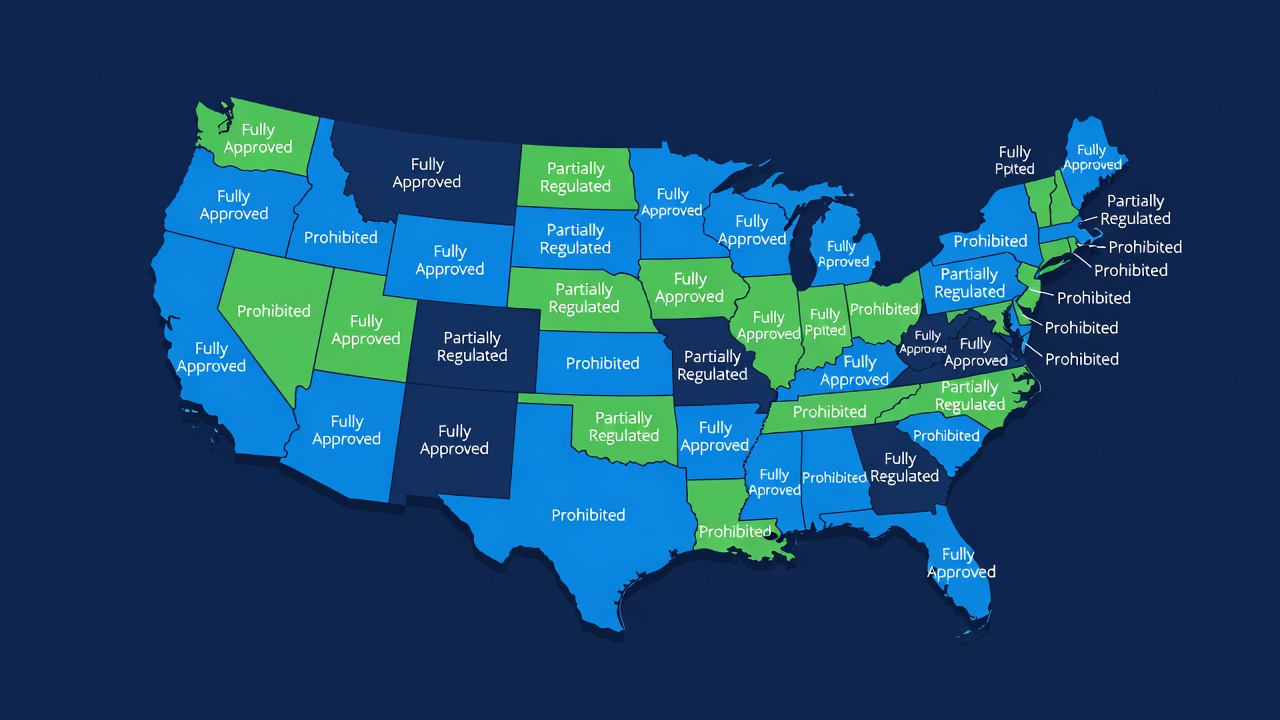
Individual states rushed through. Delaware was first (2013). Nevada followed. New Jersey. Now 30+ states have some form of legal online gambling.
How It Works Per State
Each state passes its own law. New Jersey's law permits online casino and sports betting. Pennsylvania permits casinos and sports betting. New York permits sports betting but not casinos.
The state establishes a regulatory body. New Jersey has the Division of Gaming Enforcement. Pennsylvania has the Gaming Control Board. These bodies license operators, audit games, and enforce rules.
An operator that wants to offer services in New Jersey applies for a license. They undergo background checks, financial reviews, and technical audits (third-party testing of RNG, security, etc.). If approved, they can operate.
The state takes a percentage of revenue. New Jersey takes 15 percent of casino revenue, 8 percent of sports betting revenue. Pennsylvania takes 34 percent of casino revenue, 36 percent of sports betting revenue.
The Multi-State Reality
A player in New Jersey can access DraftKings' New Jersey licensed sportsbook. If that player travels to Pennsylvania, they can access DraftKings' Pennsylvania sportsbook. Different licenses, different accounts, different compliance structures.
The player manages multiple accounts. The systems are siloed. Funds don't transfer between states.
Interstate Compacts
Some states have formed compacts. The Multi-State Internet Gambling Agreement allows poker players to compete across multiple states using a single account (PokerStars operates this).
But casinos and sports betting don't have similar compacts. Each state's casino players are isolated from other states' players.
The Gaps
States without legal online gambling create a gap. A player in Tennessee can't legally access online casinos. They can access offshore unregulated sites, but that's illegal under both federal and Tennessee law.
Some players travel to adjacent states. A Tennessean might go to Arkansas (which permits online casinos through some operators) and create an account.
The regulatory gap creates enforcement challenges. Regulators can't stop people from accessing offshore sites. They can prosecute operators who target their states illegally.
The Compliance Burden
Operators navigate 30+ different frameworks. DraftKings operates in 20+ states. Each has different rules, different tax rates, different licensing requirements.
This is why operators are concentrated. Only major companies with legal budgets can navigate 30 regulatory frameworks. Smaller operators can't afford it.
The Future
Expectation is that more states will legalize eventually. New markets keep opening (Alaska recently legalized, South Carolina is considering).
The question is whether federal legislation will eventually unify the system. Probability is low. States like Nevada and New Jersey have invested in building regulatory infrastructure. They won't give up that control to federal oversight.
So the patchwork is here to stay. If you gamble online, understand your state's rules. Cross-state accounts are legal, but accessing illegal services is a crime.
I say this from experience. I created an account in multiple states without fully understanding the legal status. I was within the law, but barely. One bad decision and I could have exposed myself to prosecution.
Know the rules. Respect them. It matters.