An American gentleman walked into my office at a high-limit room. He'd played casinos across Europe. He asked: how does an online deposit actually happen?
I explained it to him over gin and tonics, in the manner one does when speaking of financial matters with people of means.
The Process
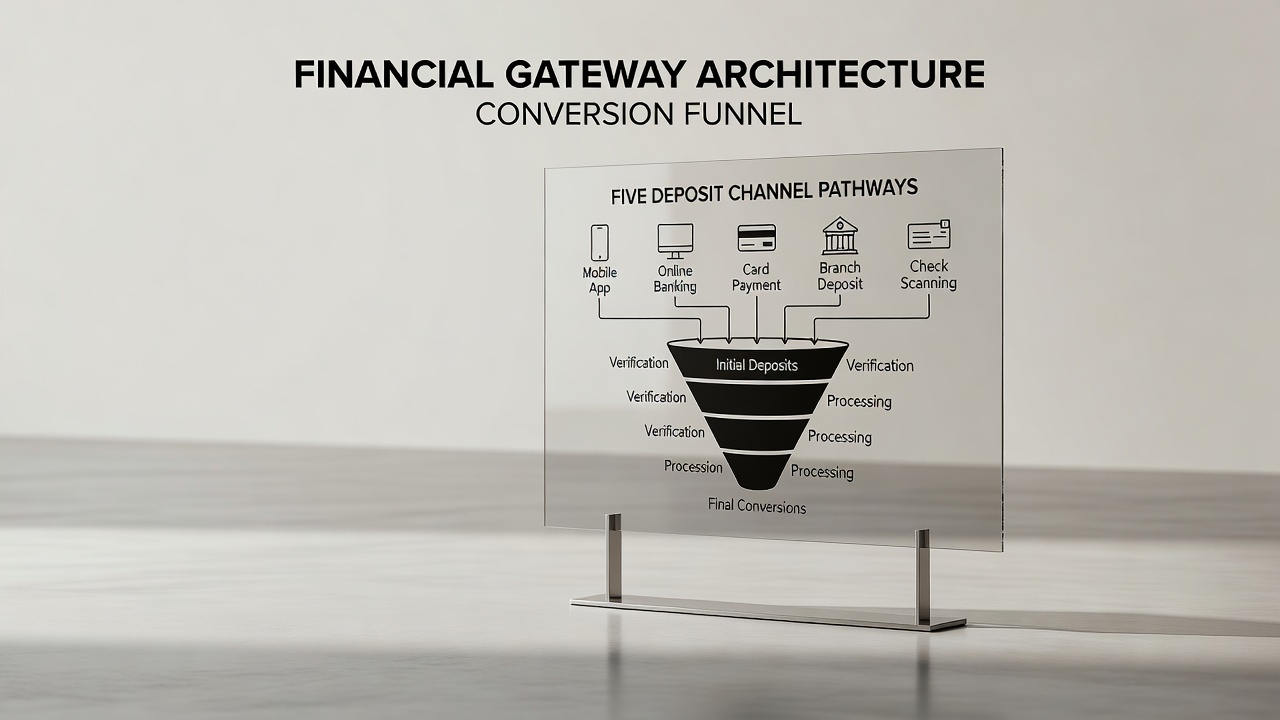
You navigate to a casino site. You click Deposit. You select your payment method. Credit card, debit card, e-wallet, wire transfer, cryptocurrency, etc.
You enter the amount. You confirm. The casino's payment processor receives the instruction.
The processor communicates with your bank or payment provider. They request authorization. Your bank checks: is this amount available? Is this a fraud risk? Is the merchant in our approved list?
Your bank returns approval or decline. If approved, funds move from your account to a holding account (usually at a payment processor, not the casino directly).
The casino credits your account. You see the balance. You can now play.
The Holding Period
Most card payments settle within one to three business days. The money sits in a holding account while the banking system confirms the transaction is legitimate.
You can play immediately (the casino trusts the authorization), but the bank takes days to actually move the funds.
This is why some casinos offer instant credit for deposits but require verification before withdrawals. They trust the authorization but not the money until it settles.
The Fees
Your card network might charge a fee. Visa and Mastercard take 2 to 3 percent of transactions for their processing. The casino either eats this or passes it to the player.
Most casinos eat it. The deposit fee is factored into the house edge. They're happy to subsidize deposits because it gets people in the door.
The Security
Your card details are tokenized. The casino doesn't store your card number. Instead, they store a token that represents it. The payment processor handles the actual number.
This reduces fraud risk. If the casino is breached, hackers don't get card numbers, just tokens. The tokens are useless without the payment processor's key.
The Verification
Most licensed casinos verify your identity before accepting deposits above a certain threshold. The casino requests proof of address (bank statement, utility bill) and proof of identity (passport, driver license).
This is an anti-money laundering requirement. The casino needs to know who you are and where your money comes from.
Alternative Methods
E-wallets (PayPal, Skrill, Neteller) are intermediaries. You fund your e-wallet, then deposit from your wallet to the casino. This adds a layer between your bank and the casino.
Wire transfers are direct. Your bank wires money directly to the casino's bank. Slower (three to five days) but more transparent.
Cryptocurrency bypasses banks entirely. You send crypto from your wallet to the casino's wallet. Settlement is blockchain-based, so it's irreversible (unlike card payments, which can be charged back).
The Risks
The main risk is depositing at an unlicensed casino. Your money moves to their account. If they close down or run away, you have no recourse.
Licensed casinos have to maintain segregated accounts. Your deposits are separate from the casino's operating funds. If the casino goes bankrupt, you're a creditor to the segregated account, not the business.
Another risk is fraud. If you lose and dispute the charge with your card, casinos sometimes fight it. The process is slow and may not go in your favor.
The Best Practice
Use a licensed operator. Use a method you trust. Verify the casino's terms before depositing. Understand that deposits are committed. Once money is in the casino, it's subject to their rules, not your bank's rules.
A deposit is not a purchase. It's putting money into an account that you can use to gamble. You can't return it for a refund just because you changed your mind. You can withdraw it, but only when the casino allows withdrawals.
That's the critical distinction. You own the balance, but the casino controls when you can access it.