I have played three million hands of online poker. Not live dealer, which is a different beast, but online. I know the feel of a fast table versus a slow one. Live dealer games played over low bandwidth are essentially broken.
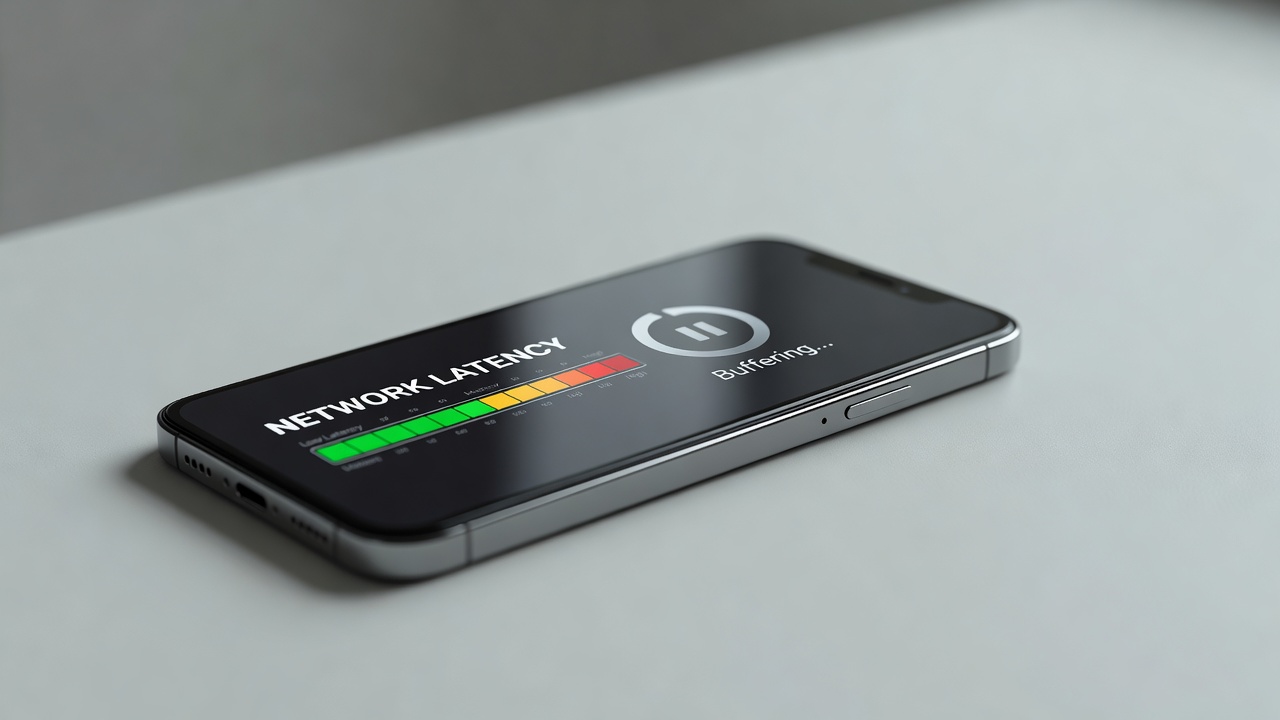
Here is the mechanical problem: the dealer is in a physical location broadcasting video. The video is compressed and streamed to your device. Your device receives the stream, decompresses it, and displays it. You make a decision. You click. Your click is transmitted back to the server. The server transmits the click to the casino's backend. The backend updates the game state. The casino confirms your action and updates the stream.
That entire process, in an ideal scenario with high-bandwidth connection, takes approximately two seconds. With low bandwidth, it takes eight to twelve seconds.
The Strategic Problem
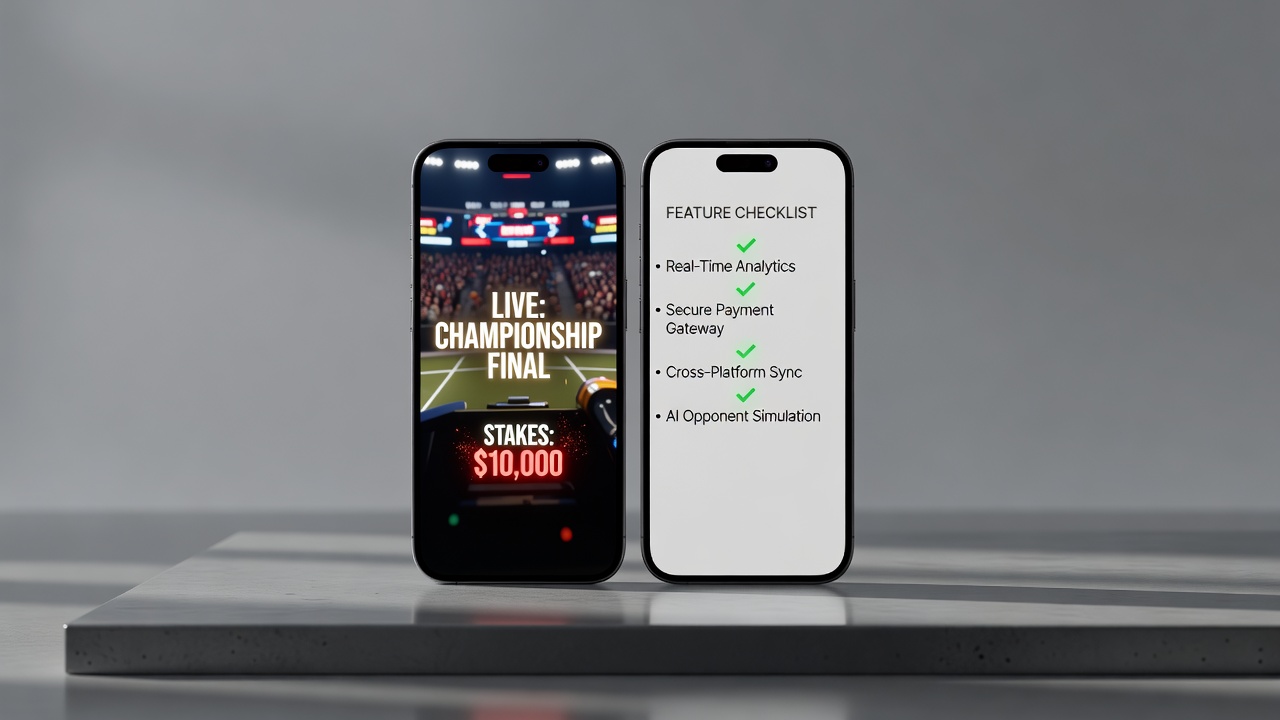
Live dealer games, particularly baccarat and blackjack, create opportunities for real-time strategic adjustment. If I am playing baccarat and I see that the dealer has unusual hand patterns (perhaps favoring the player more than random expectation), I might adjust my bet sizing or position selection.
The timing window for this adjustment is approximately two seconds. After the last card is revealed, I have roughly two seconds before the next deal begins. In that window, I can note the outcome and adjust my approach.
With an eight-second delay, that window disappears. The dealer is already dealing the next hand before I have fully processed the last one. Strategic adjustment becomes impossible.
The House Knows This
Low-bandwidth games are offered to customers in regions with poor internet infrastructure. India, Southeast Asia, parts of Africa. The games are the same, the rules are the same, but the bandwidth constraints mean that casual players playing from home on a 2-Mbps connection are playing at an inherent disadvantage.
This is not cheating; it is simply mathematics. The slower your connection, the less time you have to make strategic decisions. The less time you have, the closer your play approximates random choice. Random choice loses money.
The Competitive Implication
A professional player at a 200-Mbps connection has a measurable edge over a professional player at a 5-Mbps connection. Both players understand the game. Both have identical bankrolls. But the low-bandwidth player is missing approximately eight seconds of decision-making per round.
Over a thousand hands, those eight seconds add up to 130 minutes of lost decision-making time. That is roughly equivalent to playing half-distracted for an entire session. The edge, small as it might be (perhaps 0.5 percent), compounds across that time.
The Bandwidth Disparity
This is not random. The disparity by region is stark. A player in Singapore playing live dealer games over fiber has a technical advantage over a player in rural Thailand on a 4G connection. The games are presented as equivalent. They are not.
For recreational players, this does not matter. The house edge is large enough that bandwidth delays are insignificant. For professional or semi-professional players, it is a material disadvantage.
What Can Be Done
A responsible operator offers low-bandwidth versions of games that acknowledge the delay. Perhaps they simplify the betting options. Perhaps they extend the decision window to compensate for transmission delay. Perhaps they simply do not offer the game to low-bandwidth customers.
Some operators do this. Others do not. The money is the same either way.
The lesson for players: do not play live dealer games on a low-bandwidth connection. The delay is not your imagination; it is real, it matters, and it costs you money.