How Stablecoin Betting Is Changing Online Sportsbooks
Stablecoins represent a shift in the time-preference of gambling capital. The economic implications are significant.

Lights out
A stablecoin is a cryptocurrency designed to maintain a 1:1 peg to a fiat currency. USDC equals one dollar. USDT equals one dollar (theoretically). This stability makes stablecoins superior to volatile cryptocurrencies for speculative betting.
Why? Because a bettor who holds USDC faces no currency risk. The value of their wager does not fluctuate with Bitcoin price volatility. They can focus on the underlying bet: sports, slots, casino games.
This matters economically. It changes the capital structure of online betting. It affects discount rates, time preference, and market efficiency.
Capital Velocity
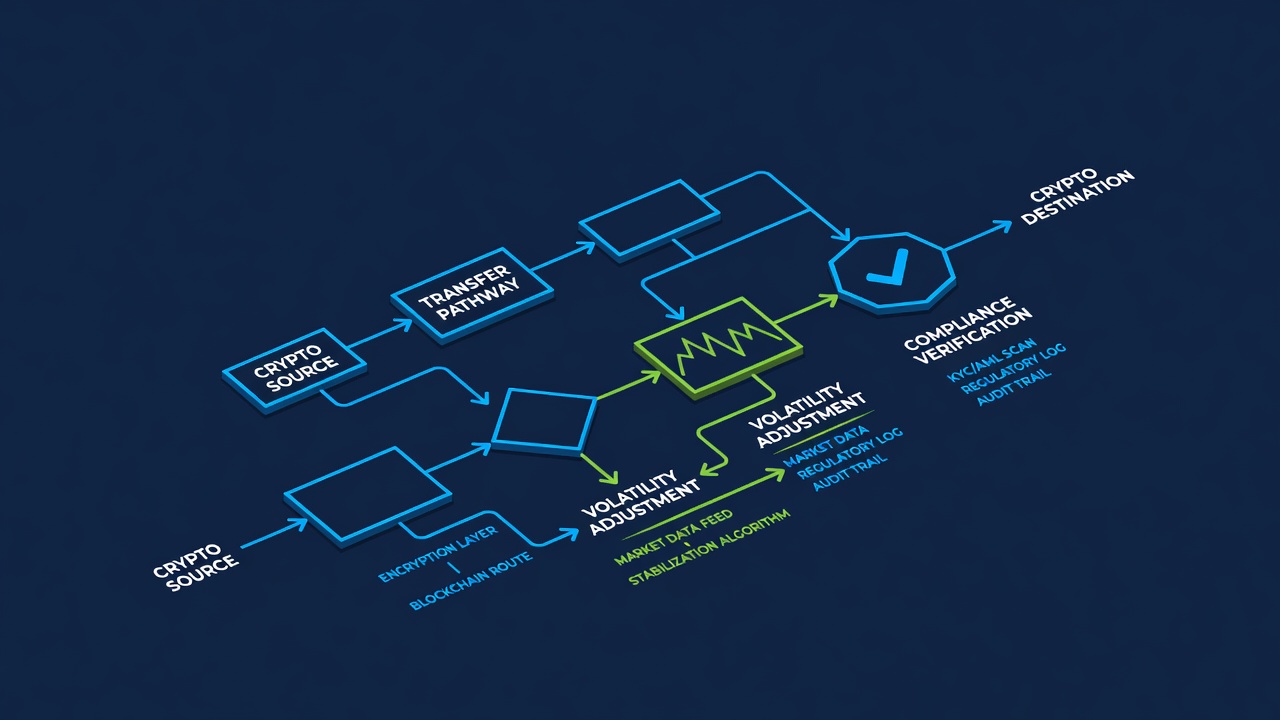
Before stablecoins, a bettor wanted to move fiat to a sportsbook, bet, and withdraw back to fiat. Each conversion carried friction, fees, and time delay. A deposit took hours. A withdrawal took days.
With stablecoins, a bettor moves capital to a crypto exchange (minutes), converts to USDC (seconds), deposits to a sportsbook (seconds), and bets immediately. The total friction dropped from hours to minutes.
Capital velocity increased. A bettor could cycle through bets faster. More bets per day. Higher total action. This benefits operators through higher volume.
Risk Redistribution
Fiat-based betting created implicit counterparty risk. A sportsbook holds your dollars in a bank account. If the bank fails, or the sportsbook fails, the dollars vanish.
Stablecoin betting shifts risk. The sportsbook holds stablecoins. The stability of those stablecoins depends on the issuer (Circle for USDC, Tether for USDT). If Tether collapses, USDT holders face complete loss.
From an Austrian perspective, this is not risk elimination. It is risk redistribution. The question is: is USDC safer than a sportsbook's bank account? Arguably yes, given regulatory oversight of Circle. But the risk does not disappear. It changes form.
Market Efficiency
Stablecoins create an incentive structure for sharper players. A sharp bettor with pre-positioned stablecoin capital can move faster than a casual bettor. When a line misprice appears, the sharp can capitalize immediately.
With fiat betting, the lag between decision and capital availability was measurable. With stablecoins, the lag approaches zero.
This accelerates price discovery. Mispricings persist for less time. The market becomes more efficient. Operators face higher costs from sharps who can scale instantly.
Deposit Behavior
Before stablecoins, a bettor made a fiat deposit decision. They thought: how much will I deposit? The friction of the deposit process meant they had time to reconsider. Some reconsidered and abandoned the session.
With stablecoins, the decision and the deposit happen in seconds. A bettor feels an impulse, converts to USDC, deposits to the sportsbook. The impulse-to-action delay shrinks.
This increases problem gambling risk for people with poor impulse control. The friction that used to protect them is gone. The speed that benefits sharp players harms casual players.
Regulatory Arbitrage
Some sportsbooks accept USDC but are not licensed in your jurisdiction. They operate from Curaçao or Malta. You send them stablecoins. They are beyond the reach of US or EU regulators.
With fiat banking, such operations faced pressure. Banks would not service them. With stablecoins, banks are irrelevant. The operation becomes purely digital. Harder to shut down. Harder to regulate.
Operators and bettors benefit from this. But consumer protections vanish. No deposit insurance. No licensing verification. No regulatory oversight.
The Institutional Question
From the operator's perspective, stablecoins reduce the cost of settlement. A sportsbook that holds millions in USDC does not need to maintain banking relationships. Does not need to manage fiat reserves. Does not face banking fees.
This cost reduction flows to operators. They can offer better lines, lower juice, higher payouts. Or they can keep the margin and increase profitability.
In practice, some operators do both. They hold stablecoins to reduce costs. But they operate with lower margins than fiat sportsbooks because stablecoin operators compete directly on cost.
The Longer View
Stablecoins represent a shift in the time-preference structure of gambling. They reduce the friction of entry and exit. This accelerates the cycle of betting and reflects a world where capital mobility matters more than it once did.
For sharp bettors and operators optimizing costs, this is excellent. For casual bettors struggling with impulse control, this is dangerous.
The economist observes this neutrally. The market has spoken. Stablecoins are here. The question is not whether they should be. The question is what incentive structures they create and who bears the costs and benefits.