Micro Markets in Sports Betting: Betting on Every Pitch and Play
Modern sportsbooks offer prop bets on individual pitches. The market is fast and sharp. Here is how it works.
Lights out
Bottom of the ninth. Two outs. Runner on second. I am live-blogging this WSOP event and the one thing I keep thinking about is: you can bet on every single outcome.
Not just the game result. Every pitch. Every play. Every at-bat.
This is the future of sports betting. Micro markets. Granular action. The sharp money is way ahead of the public money on these lines.
What Micro Markets Are
Traditional sports betting: moneyline, spread, total. You bet on the full game outcome.
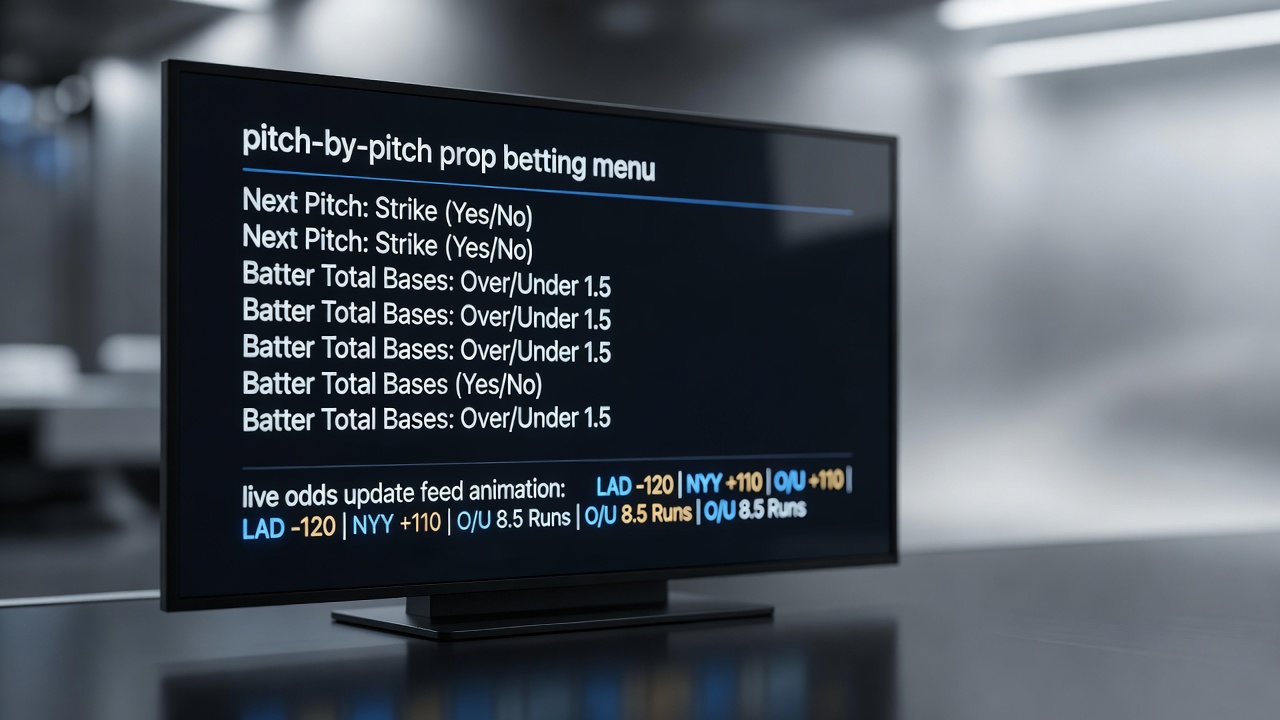
Micro markets: you bet on the next pitch. Will this batter get a hit? Will the next play go for more than three yards? Did the last shot go in?
These bets settle in seconds. Not hours. Seconds.
DraftKings offers hundreds of these per game. Some games have over 500 live micro market propositions available simultaneously.
The Sharp Money
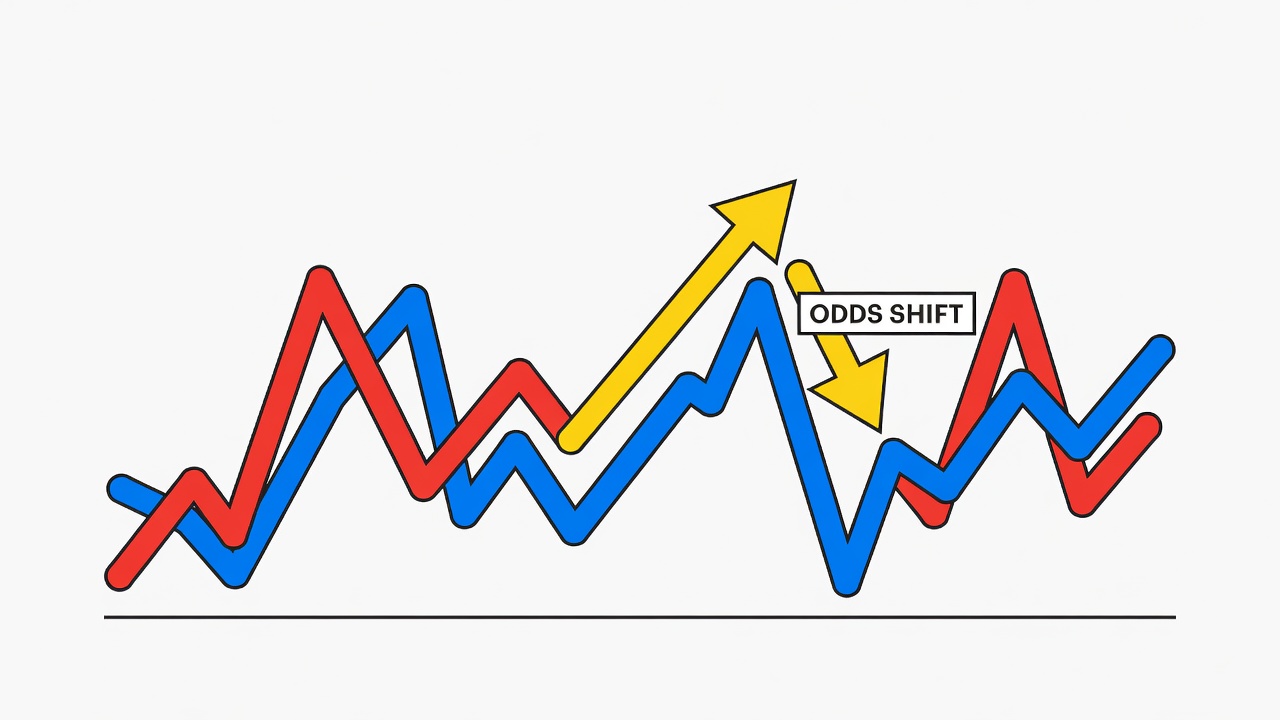
The sharp money is in micro markets. Why? Because the odds move fast. A line goes up 3 points, the sharps exploit it immediately. By the time the public notices, the line is gone.
Public money follows sharp money. You see a micro market moving and you know the sharps saw something.
A typical sequence: pitcher is about to throw. Sharp money comes in on a specific outcome. The line moves. The pitch happens. You can see if the sharps were right.
The Volume
A major sportsbook handles thousands of micro market bets per minute during playoff baseball.
The aggregate volume is massive. But individual bets are small. Most micro market bets are $5-$50.
The sportsbook makes money through volume and through juice. The odds are slightly in the house's favor across the board.
The Skill Factor
Micro markets reward prediction skill. A bettor who can predict pitch outcomes better than the line suggests is profitable.
How do you predict pitch outcomes? You understand pitcher tendencies. You understand batter weaknesses. You understand the game situation.
A sharp baseball bettor can have +5% edge on certain micro markets. Over hundreds of bets, this compounds to significant profit.
The Technology
Modern sportsbooks use live odds engines. These update prices based on:
- Game state (runner positions, counts, scores)
- Sharp money flow
- Recent game history
- Pitcher and batter matchup data
The algorithms move the lines in real time. A human oddsmaker cannot keep up. It is all automation now.
The Public vs Sharps
Public money is slow and emotional. They see a team they like and bet it. They hold the bet even after the outcome is partially determined.
Sharp money is fast and mathematical. They bet when the line is wrong and get out when the line corrects.
Micro markets make this difference obvious. You can watch the public money come in (line moves one direction). Then you can watch the sharp money come in (line moves back the other direction).
The Edge
A sharp can have real edge on micro markets because:
- The sample is large (hundreds of plays per game)
- The outcomes are somewhat predictable (pitcher behavior is consistent)
- The public is slow and emotional
A public bettor has no edge. They are betting on hope.
The Downside
Micro markets are fast. A bet that looks good gets worse in a second. You have to be quick or you miss the opportunity.
Micro markets are also noise. You are making hundreds of small decisions. Variance is high. You can be right 55% of the time and still lose money if your juice is too high.
The Future
Micro markets are the future. Sportsbooks love them because they drive engagement. Bettors love them because they feel like skill-based games (they have some skill component, but house edge is still there).
Sharp bettors love them because they can extract real edge.
Public bettors lose money on them consistently.
If you want to bet micro markets, be prepared to lose to the sharps. They are watching the same data you are. They are just faster.