A slot tournament is not a race. This is the first misconception. The machine does not speed up. The bettor does not get special access. What changes is the scoring mechanism and the prize pool.
In regular play, you wager money and collect winnings. In a tournament, the operator sets a fixed amount of time and a fixed bankroll. You play within those constraints. Your score is calculated by winnings, chip accumulation, or advancement through rounds. At the end of the tournament window, whoever has the best score wins a prize from a pool the operator has funded.
The casino architect sees tournaments as a design problem with several components: time, bankroll, scoring, and payout structure. Each affects the player's behavior.
Time as Design
Most tournaments run for 30 minutes or 60 minutes. Some extend over days. The time frame alters strategy. A 30-minute tournament rewards speed and volatility. You want high-variance outcomes because you don't have many spins to accumulate points. A week-long tournament allows a different approach. You can play slowly, chase specific symbols, and still complete the tournament.
Casinos know this. They design time windows to control the experience. The 30-minute tournament lights up the casino floor. It creates urgency. Players feel pressure to act fast. Fast action means more emotion, and emotion is what casinos want.
Bankroll Structure
You enter a tournament. The operator gives you a fixed amount to play with. Say 20 pounds. This is not your money. It belongs to the tournament structure. You cannot withdraw it if you lose it all. If you accumulate more than 20 pounds during the tournament, you cannot cash out the excess. The tournament ends, and you're paid according to your final rank.
This removal of the withdrawal option changes behavior fundamentally. A player's marginal utility for that 20 pounds is lower because it's play-only money. They take bigger risks. They press harder on each spin because the money has no value outside the tournament.
Scoring Mechanisms
Different tournaments score differently.
Credit balance tournaments measure your total accumulated balance at the end. You get 20 pounds, spin, win 15, lose 5, end with 30. Your score is 30. This favors skill and patience.
Points tournaments award points based on wins, not balance. A three-of-a-kind gets you 100 points. A four-of-a-kind gets you 500. You can deplete your balance and still score points. This favors volatility and lucky hits.
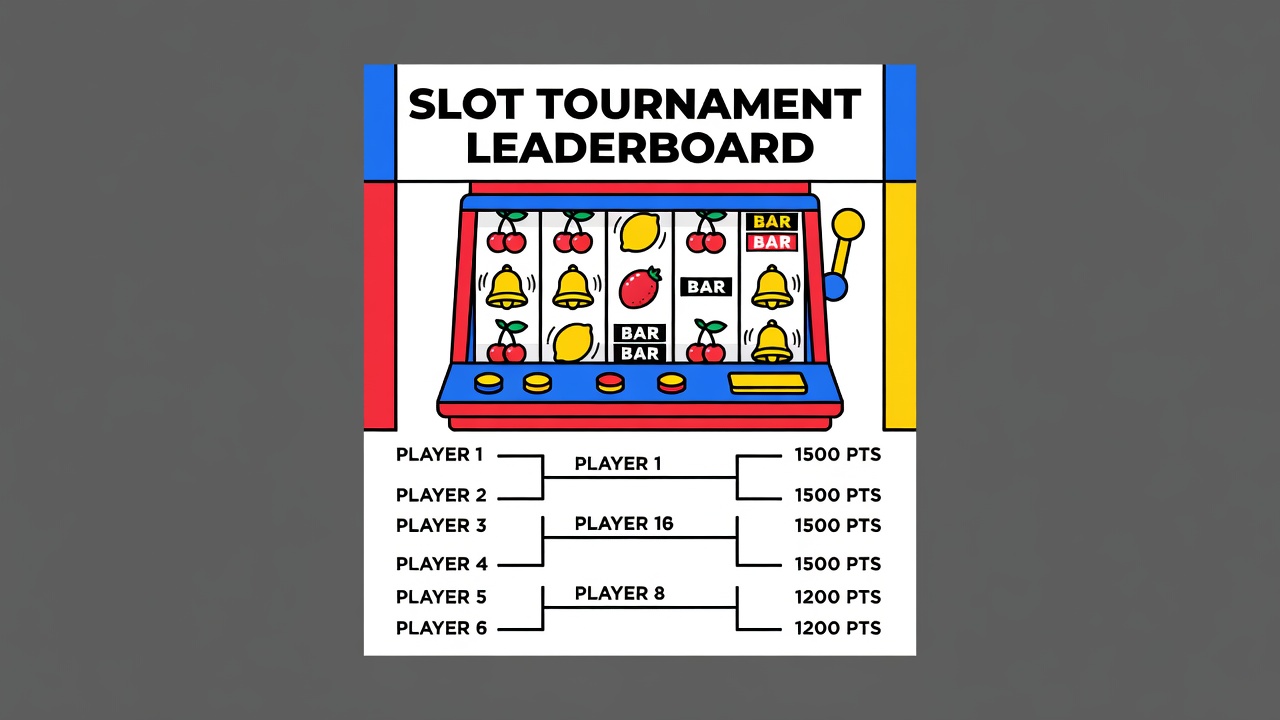
Leaderboard tournaments rank players based on cumulative results across multiple spins. The same machine, dozens of players, same time window. You're competing directly against others. This adds social pressure.
How Entry Works
Check the casino's promotions page. They'll list active tournaments, entry fees (free or paid), time windows, and minimum buy-ins. Most tournaments are free-to-enter. Some charge a small fee (5 to 10 pounds) to qualify for larger prize pools.
Once you find a tournament you want to enter, you register. Some casinos auto-enroll you based on play. Others require you to click an entry button in the promotions section. Read the fine print. Deadlines matter. If registration closes at 6 p.m. and you try to enter at 6:15 p.m., you're locked out.
When the tournament starts, you sit at the designated machine. You're logged in. Your bankroll appears. You play. The tournament timer counts down on screen. When time expires, the system calculates your final score and ranks you against other participants.
Prize Payouts
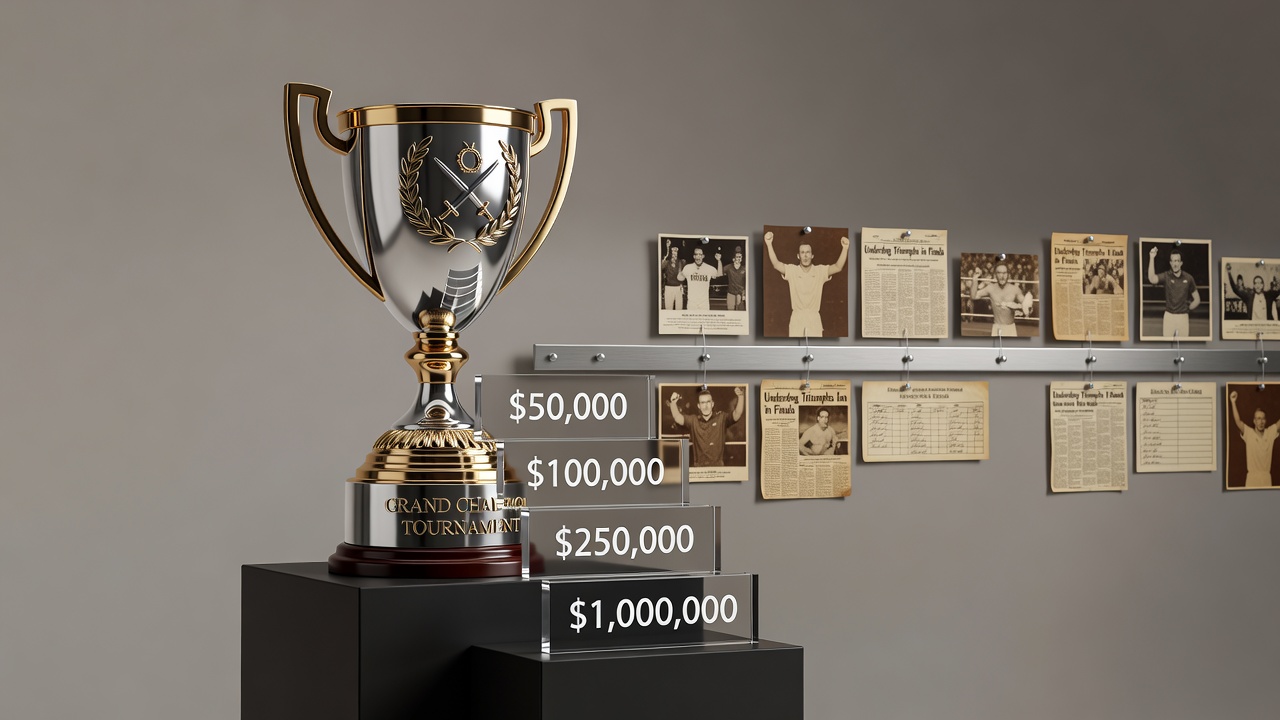
Most tournaments pay the top 10 to 20 players. First place might win 500 pounds. Tenth place might win 25 pounds. The prize pool is fixed. The operator's cost is known in advance.
Some tournaments have consolation prizes. Everyone who played receives 5 pounds in bonus credit. This keeps losing players engaged. They didn't win the tournament, but they didn't leave empty-handed.
Prizes may appear as cash, bonus funds, or free spins. The operator will specify. Bonus funds come with wagering requirements. Free spins are easier to pocket.
Strategic Entry
If you're going to enter tournaments, pick the right timing. High-traffic tournaments (weekend evening, prime hours) have larger player pools and harder competition. Low-traffic times have weaker fields. You sacrifice potential prize pool size for better odds of placing.
Pay attention to which machine is selected. Some machines have lower RTP than others. The house edge varies. If you must enter, choose a tournament on a machine with higher RTP. You need every percentage point.
Understand the payout curve. If first place wins 400 pounds out of a 500-pound pool and places 2 through 10 split 100 pounds, the tournament is top-heavy. You need to win, or you barely break even. If the pool distributes more evenly, placing third or fourth might cover your entry fee.
Most importantly: tournaments are events. They're not money-making opportunities. They're entertainment with a small prize attached. Play them for the experience. The math favors the house, as it always does.