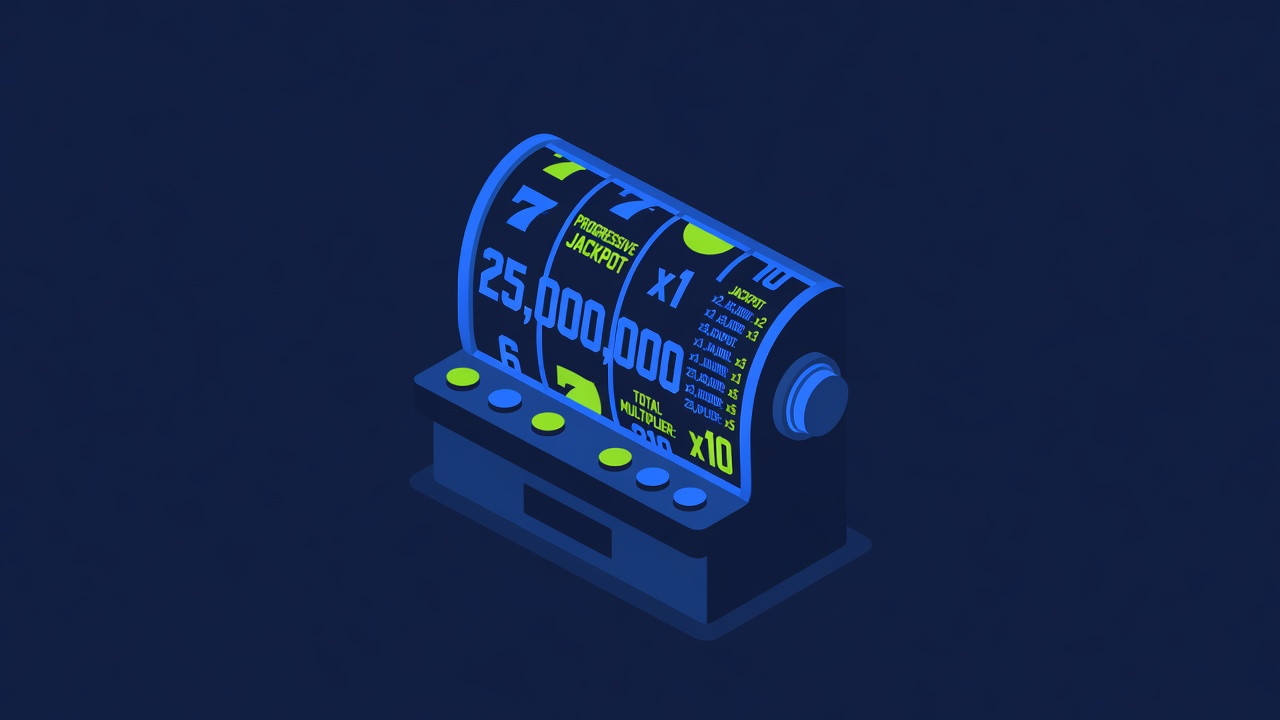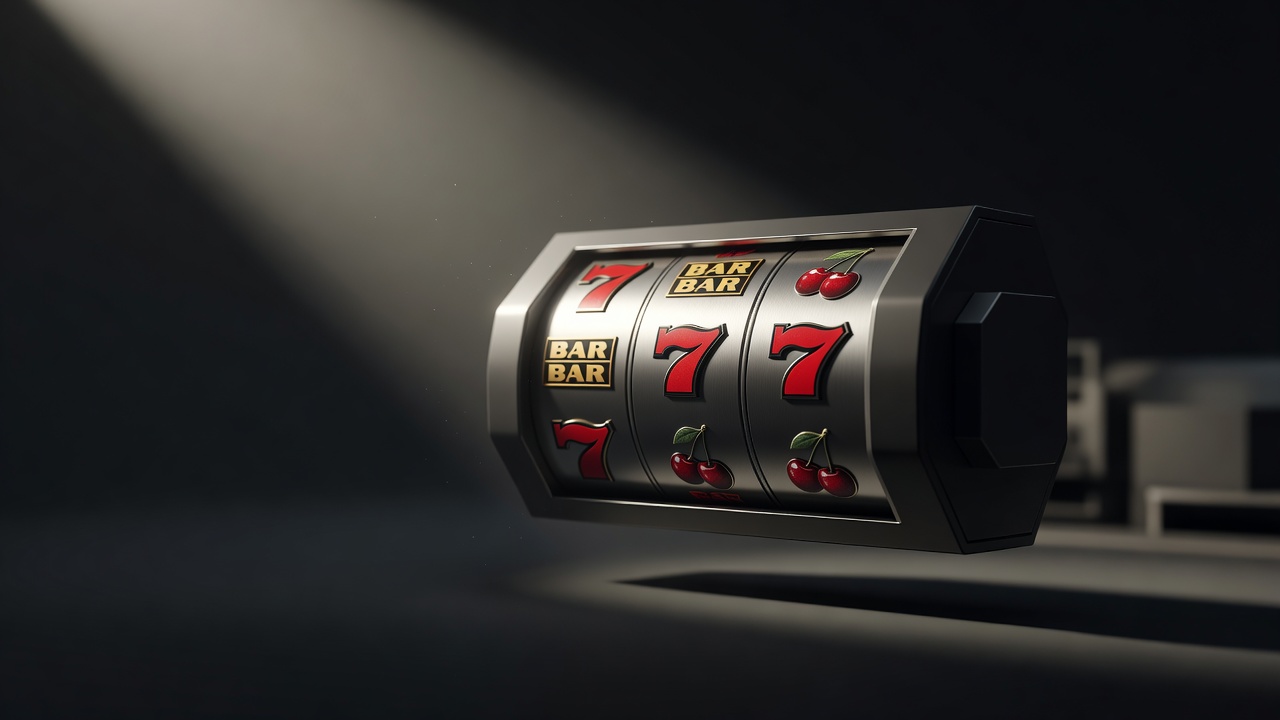
The slot machine used to be a machine. Steel and circuits. You put in money, you pulled the lever, three reels spun, and you saw what you got. Clean. Simple. Honest.
Then software happened.
Slots became screens. The reels were still there, but they were images on an LCD. The lever became a button. The game could do anything now. It could show animations. Sounds. Video sequences.
For a decade, operators didn't know what to do with this power. They added more animations. Flashier sequences. Louder sounds. Games got busier without getting better.
Then someone decided to stop making games and start making movies.
The Shift
Around 2015, Pragmatic Play and NetEnt started developing slots that looked like actual cinema. No more spinning reels layered over video sequences. Complete cinematic experiences. A game might tell a story. The story had scenes, characters, dialogue. The reels were woven into the narrative, not imposed on it.
NetEnt's "Lights" is an example. A woman in a nightclub. Music. The reels are part of the scene, not separate from it. When you win, the cinematic moment happens. The character reacts. The lighting changes. The moment is immersive.
Pragmatic Play released "Gates of Olympus." Not just a game about Greek gods. A full visual experience. The reels exist in a detailed mythological landscape. The gods appear and interact when you win. The whole thing is animated.
These weren't minor tweaks. They were architectural changes. The games cost millions to develop. The production values were film-level.
Why This Happened
Casinos realized that production value affects time-on-machine. A player at a cinematic slot stays longer. The experience is engaging beyond the winning moment. The losing spins are entertaining because the cinematography is beautiful.
A traditional slot is: spin, win or lose, repeat. No narrative. The only reward is money. A cinematic slot is: spin, see a scene unfold, maybe win, and even if you lose, you were entertained.
This is crucial for operators because most spins lose. You can't make losing fun with mechanics alone. Operators needed storytelling.
The Production Cost
A traditional slot game takes six months and costs 500,000 pounds to develop. A cinematic slot takes eighteen months and costs two million pounds.
Let's do the math. A traditional slot at a medium operator might gross 50,000 pounds per month. A cinematic slot might gross 75,000 pounds per month because of increased engagement. That's an extra 25,000 pounds per month. The development cost is recovered in about three years.
After three years, the cinematic game is pure profit. The traditional slot's revenue is fairly static. Over ten years, the cinematic game grosses 9 million pounds against a two million development cost. The traditional game grosses 6 million against a 500,000 cost.
The math favors cinematic slots for major operators. For smaller operators without the capital, traditional slots are still the default.
The Design Philosophy
Cinematic slot design changed what "good" means for a game. It used to be: tight mechanics, consistent payouts, interesting symbols. Now it's: compelling narrative, beautiful visuals, emotional resonance.
A game like "Wanted Dead or Alive" by NetEnt uses a Western theme. It's not just a slot set in the Old West. The entire visual language is Western cinema. The characters are archetypes from Sergio Leone films. The soundscape is spaghetti-Western music. When you hit a big win, the cinematic moment is climactic.
This is storytelling. The game's theme is not decoration. It's the structure.
The House Edge Question
Cinematic production doesn't change the mathematics. The RTP is the same. A cinematic slot with 96 percent RTP is mathematically identical to a traditional slot with 96 percent RTP.
But the player experience is vastly different. The cinematic game feels more generous because you're entertained during losing sequences. The traditional game feels stingy because losing is just a reset.
This is psychology, not mathematics. But it's real. Operators know that production value increases perceived fairness even when the RTP is identical.
Where This Goes
The trend is clear. All major operators are shifting toward cinematic experiences. Evolution Gaming, Playtech, Microgaming, Pragmatic Play. They're all doubling down on production value.
The next frontier is narrative branching. Instead of a fixed sequence of reels, the game might change based on player choices or outcomes. Win a certain way, unlock a second act. This is interactive film applied to slots.
It's also where the line between "game" and "experience" gets blurry. Are you playing a slot or watching a short film that occasionally gives you the chance to win money?
The answer depends on how much you're paying attention. If you're just spinning and checking the balance, it's a slot. If you're engaged with the narrative, it's cinema that pays you sometimes.
Either way, the slot machine has evolved. It's no longer mechanical. It's not even traditional software anymore. It's media. High-production, narrative-driven, designed to captivate.
The old machines are still there in older casinos. Museums, some of them. But the future is cinematic. The machines got smarter. The stories got better. The experience got longer.
And somewhere in the economics of it all, the house edge stayed exactly the same.