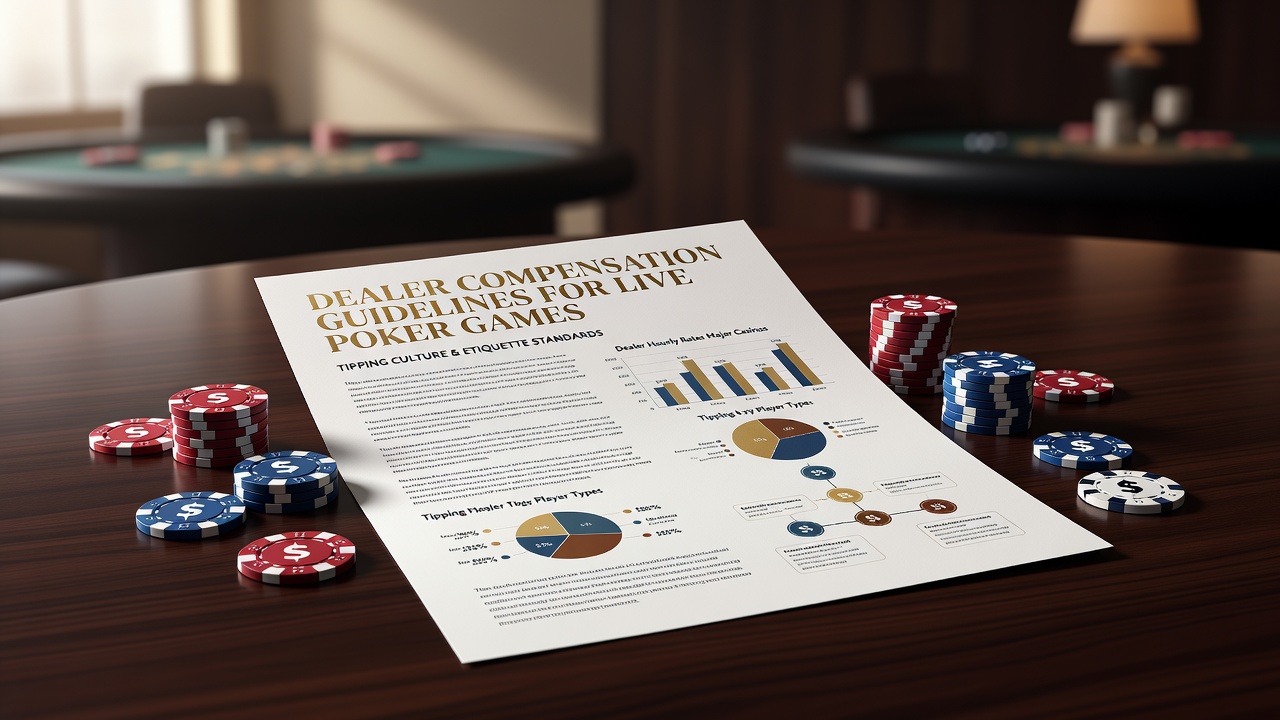
The mathematics of tipping are straightforward: a dealer earns between two hundred and four hundred dollars a day depending on the room and the shift. Without tips, this number is eight dollars an hour. With tips, it triples. The dealer's livelihoods is built on the generosity of the customer.
But tipping is not about mathematics from where I stand. Tipping is about acknowledgment.
The Types of Tippers
I've dealt to thousands of hands. The types of tippers reveal themselves quickly.
The automatic tipper places one chip per win, regardless of amount. The consistency is respectable but reveals nothing. They're following a script.
The emotional tipper spikes their tips after losses and drops them after wins. They're tipping based on regret. This is the most common type. They rarely understand why they do it.
The strategic tipper makes a small bet for the dealer alongside their own bet. If their hand wins, the dealer wins. This is sophisticated. The tipper is acknowledging that the dealer is part of the team, not a separate entity.
The silent tipper tips nothing until the end. They stack a significant chip and slide it across the felt as they leave. This reveals a person who understands: tips are more powerful as statements than as rewards.
Why Etiquette Exists
At a high-limit table, especially in Macau or Vegas, the table is a theater. The dealer is part of the set design, part of the performance. How you address them, how you tip them, shapes the atmosphere.
A player who tips well sets a tone that says: I understand we're in this together. A player who ignores the dealer creates tension. A player who tips badly (or tips with contempt) creates resentment. The resentment is professional. The dealer will deal your cards correctly. But the psychological current shifts.
I've watched high-limit baccarat tables where the atmosphere was golden. The player was winning, the tips were flowing, the dealer's energy matched the player's. Then a losing sequence happened. The player tipped less. The dealer's energy didn't change but something had. The player noticed. The game changed.
The Art of Tipping
The best tippers understand one principle: the tip should be proportional to the pot, not the outcome. A two thousand dollar pot merits a fifty dollar tip, whether you won or lost. A twenty thousand dollar pot merits a five hundred dollar tip. The dealer's effort was the same regardless.
This approach reveals something: the tipper is not tipping for luck. They're tipping for service. They're acknowledging the dealer's professional presence.
The worst approach is tipping based on guilt. A player who loses heavily sometimes spikes the final tip because they feel sorry for the dealer. This is backwards. A dealer doesn't need pity. They need consistency.
Live Casino Specific Rules
Online live casinos operate differently. The dealers at Evolution Gaming or Pragmatic Play cannot accept tips. The system doesn't permit it. Some platforms have tip pools where a percentage of house revenue goes to dealers, but the player has no direct control.
This is a weakness of online live casino. The psychological current of tipping is missing. The table feels transactional instead of relational.
Some newer platforms have introduced virtual tipping. You can place a chip on a tipping spot. It doesn't go to the dealer; it goes to a pool. The dealer never sees it. It's performative without substance.
Why It Matters for Your Game
There's research (loose, but real) suggesting that dealer attitudes affect player decision-making. A dealer who likes you (because you tip well) might unconsciously deal faster, creating more hands per hour. This benefits both of you. A dealer who resents you might deal slower, reducing your opportunities.
But this is incidental. The main reason to tip well is that it maintains the fiction that you're at a table with another human, not a cog in a machine. The fiction matters. If you tip nothing, you're saying: you're a machine. If you tip proportionally, you're saying: you're a person performing a service.
The Practical Approach
-
Tip automatically when you win. One chip to twenty chips depending on the pot size. This is the baseline.
-
Tip when you lose significantly. A small tip after a big loss says: I'm not blaming you. It maintains the peace.
-
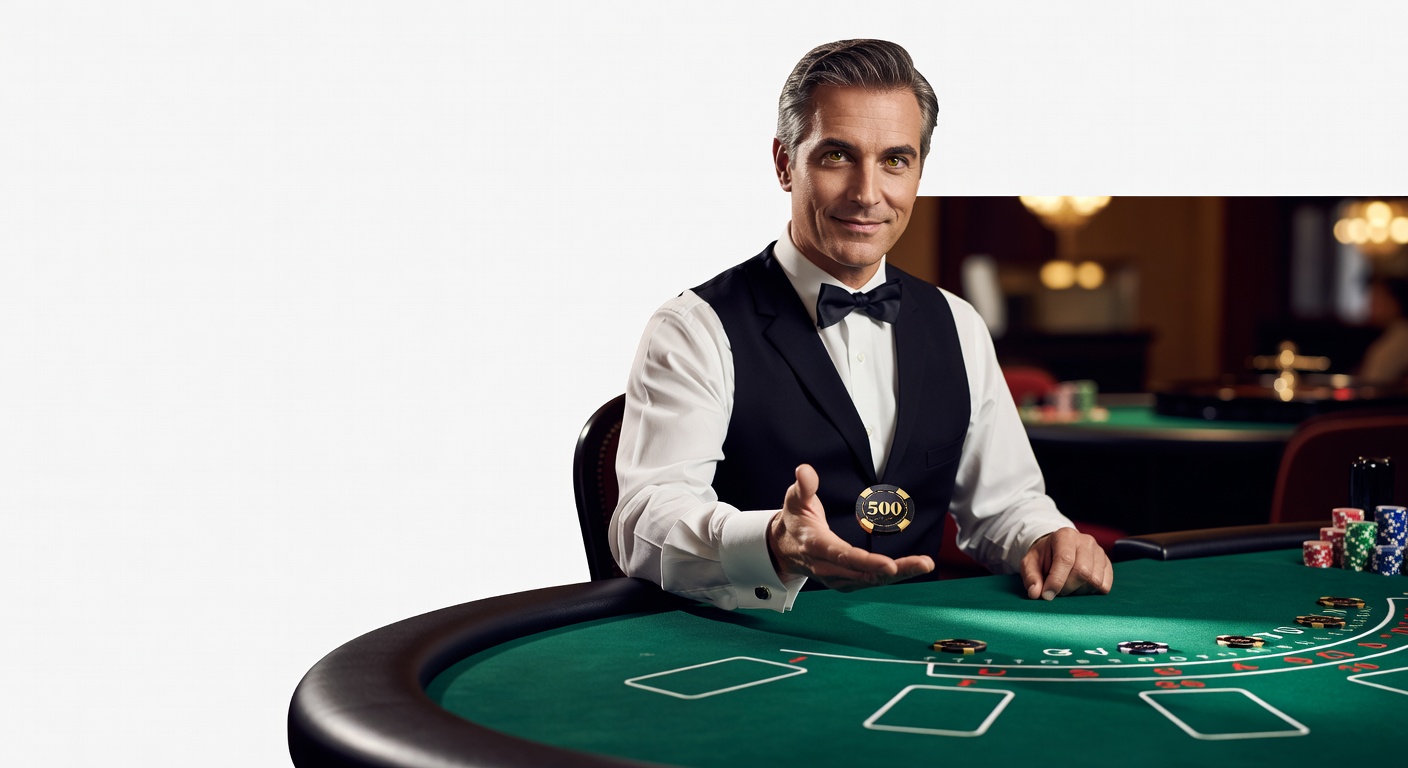
Make the tip a bet on the next hand. Place a chip on the dealer's position in blackjack or the dealer position in baccarat. If the dealer wins, the tip is given. If you win, the tip is still given (you're generous with found money). This is the strategic approach.
-
Tip in chips, not cash. A cash tip is a transaction. A chip tip is a gesture. The psychology is different.
-
Place the tip intentionally. Don't just leave chips. Slide them across, make eye contact, acknowledge the person. The gesture matters more than the amount.
I've dealt to billionaires who tipped five dollars a hand. I've dealt to tourists who tipped everything they won. The billionaires felt cheap. The tourists felt honorable. The difference was intention, not amount.
The best players understand this. They tip the way they play: with respect and precision. The table feels better when someone good is sitting in it. The tipping is part of what makes someone good.