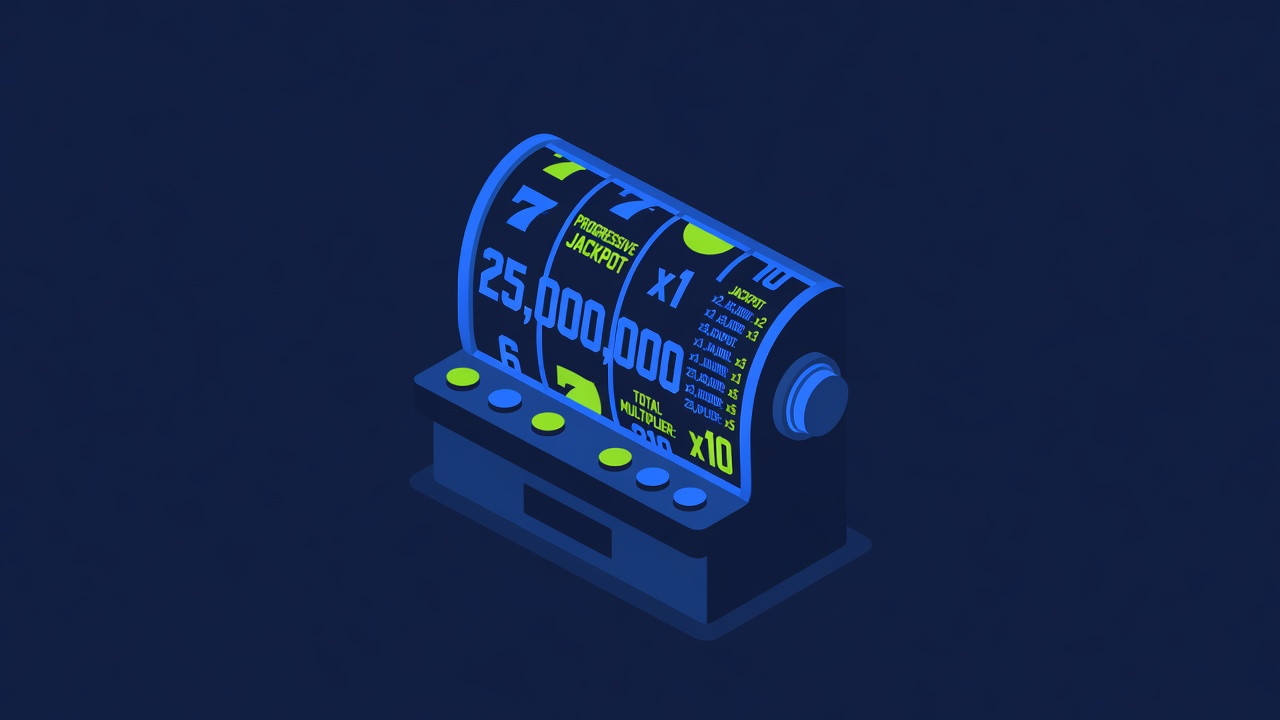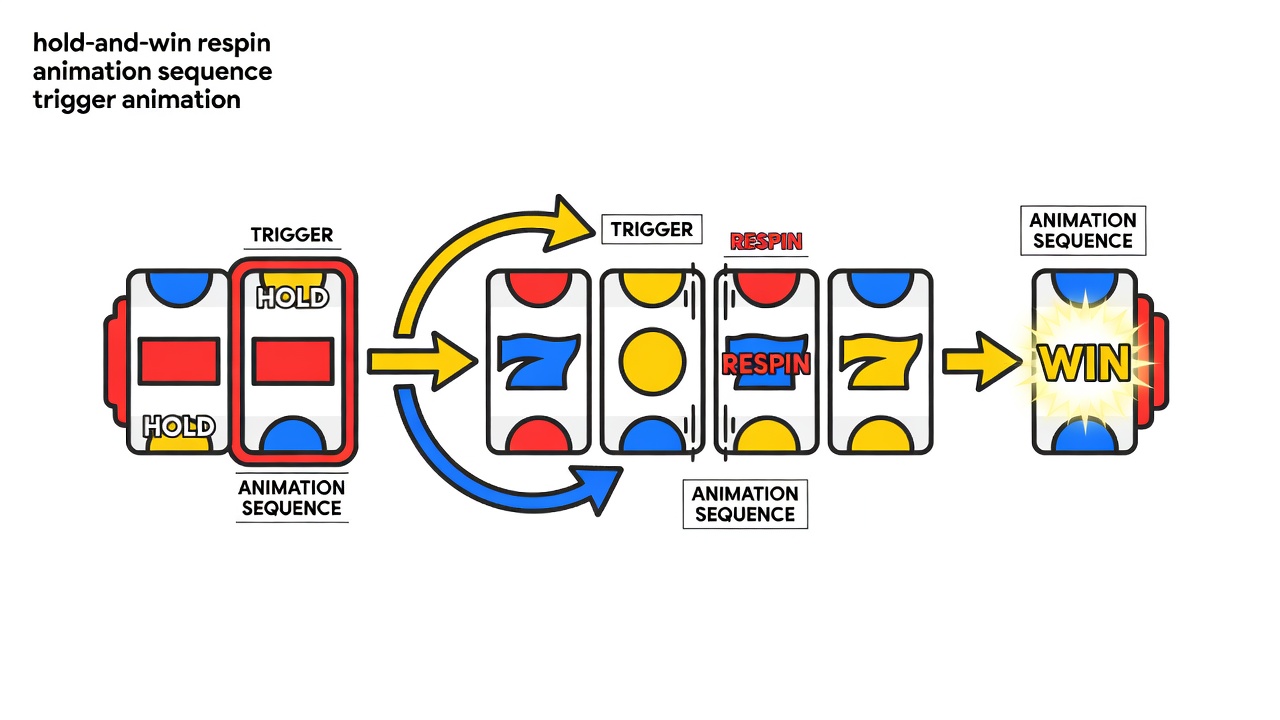
A hold and win slot works like this: you spin. Some symbols appear that match a bonus condition. Those symbols lock in place. The other reels respin. If the new spin completes the pattern, you win big.
Example: you see three scatter symbols on a five-reel slot. Two of them are in good positions. One is not. Normally, this is just a regular win. But with hold and win, those first two scatter symbols freeze. The other three reels respin. If the third respin brings another scatter to the right place, you trigger free spins or a multiplier.
The mechanic is simple: hold some symbols, respin others, see if you complete a winning combination.
Why It Works
Psychologically, hold and win creates narrative tension. You got close to something big. Now the game is giving you another chance. You're not just spinning; you're hoping.
The brain responds to this. A straight spin (win or lose, no resin) is resolved instantly. A hold and win spin has a moment of suspense. The hope activates reward circuitry in the brain.
This is true even if the math is identical. A 2 percent chance of hitting free spins on a regular spin is the same as a 2 percent chance after hold and win. But the hold and win version feels better because of the narrative. "I almost got there. The game is giving me a second shot."
This is not deceptive. The odds are the same. But the pacing is different, and the pacing affects emotion.
The Variance Impact
Hold and win mechanics increase game volatility. A regular slot has steady, predictable variance. Hold and win slots have bigger swings.
Why? Because the mechanic creates the possibility of multiple wins on a single initial spin. You respin once, twice, three times. Each respin could win. Over many games, this creates bigger single-spin wins.
Operators know this. They design hold and win games to be more volatile than regular slots because volatility keeps players engaged. Big wins are exciting. Small, steady wins are boring.
The house edge is usually the same (a hold and win slot has the same RTP as a regular slot with similar pay tables), but the experience is different.
The Design
Hold and win mechanics are popular in Pragmatic Play and IGT games. "Gem Bonanza" is a well-known example. You collect gem symbols. Gems that match count toward a bonus. Each spin, you see how many gems you've collected.
The mechanic is elegant: a progress bar fills up. Players see progress. Progress feels like achievement. Collecting 50 gems before the bar resets is a goal. Achieving the goal triggers a payout.
This transforms a slot from pure randomness into a slot with narrative progression. You're not just spinning. You're working toward something.
The Cost
Hold and win mechanics allow for bigger single spins, which sometimes means longer periods without significant wins. If you're on a cold streak, the hold and win feature won't help. You'll see symbols freeze and reels respin, but you won't complete combinations.
This can be frustrating. The mechanic promises a second chance, but the second chance fails. The hope it creates makes the failure feel worse than a regular losing spin.
For problem gamblers, this is a liability. The narrative of getting another chance can drive continued play. "Just one more spin. Maybe this time the respin completes."
The Reality
Hold and win is not a path to winning. It's a way to make the experience of losing feel more like a near-miss than a failure.
Over time, the house edge remains the same. But the emotional journey is different. That difference is the value the operator provides.
If you're going to play slots, understand that hold and win mechanics are designed to create engagement, not to improve your odds. The odds are what they are. The feeling of the game is what changes.