How Live Casino Streams Are Produced Behind the Scenes
A live casino stream is not a simple broadcast. It is a production involving cameras, audio systems, and real-time monitoring. Here is how it works.
Lights out
Evolution Gaming operates 26 live-casino studios globally. The largest is in Latvia. The studio houses 300 tables and produces 10,000 hours of live content monthly.
Each table has 4-6 cameras. One on the dealer face. One on the cards. One on the wheel (for roulette). Two on wide shots of the table. One overhead. The angles ensure that a player watching from home sees everything the dealer sees, plus overhead verification.
The Technical Stack
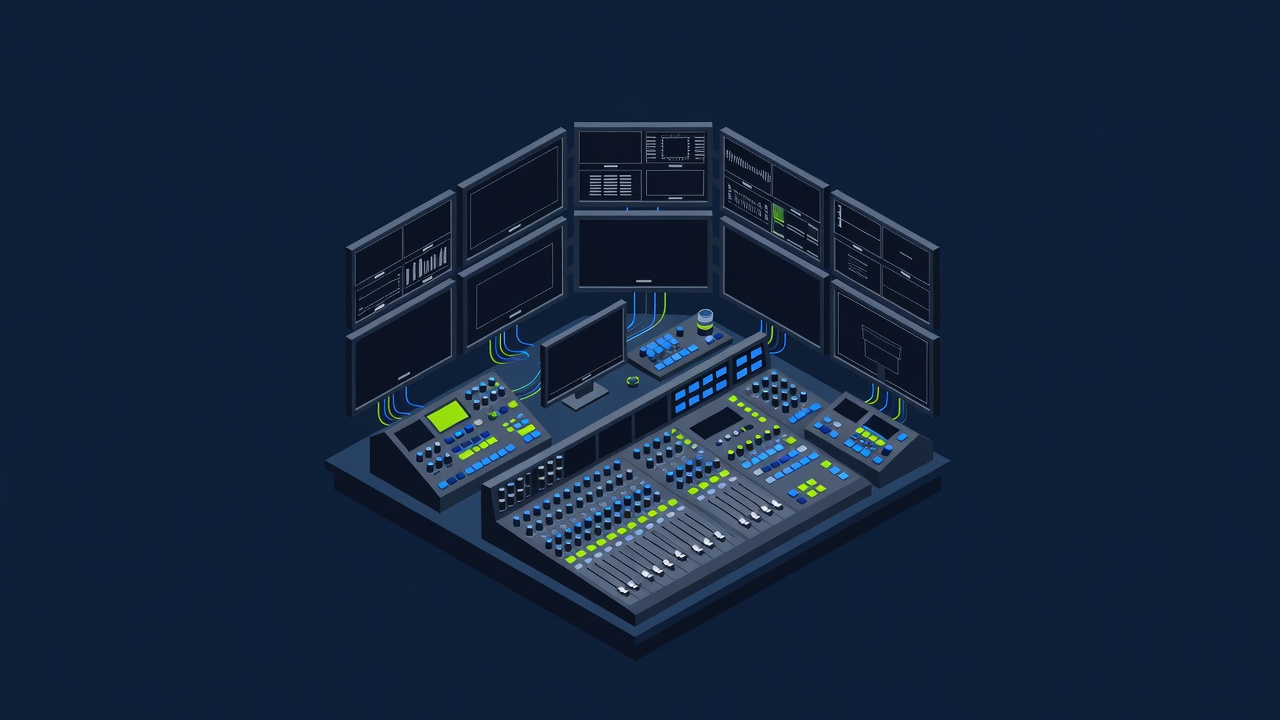
The camera output feeds into a content management system (CMS). The CMS processes the video in real-time. It must compress video, add graphics overlays, add betting interfaces, and distribute to thousands of simultaneous players.
Latency is critical. A stream with more than 2 seconds of latency is unacceptable. Players expect to see action as it happens. If the delay exceeds 3 seconds, bets are rejected (rules prevent betting after action has already occurred on the dealer side).
Evolution Gaming uses proprietary technology to achieve sub-1-second latency globally. A player in Singapore sees the London studio with less than 1-second delay. This is engineering-grade precision.
The Dealer and Table Logistics
Dealer shifts are typically 4-6 hours long. A dealer sits in front of multiple cameras, under bright studio lights, and performs the same 300-500 hands per shift. The repetition is severe.
According to interviews with former Evolution dealers, the work is exhausting. Not physically, but mentally. You must perform the same gestures, the same patter, 500 times. You must smile on command. You must look engaged when you are fatigued.
The studio operates 24 hours per day. The shift rotation is tight. A dealer works a morning shift in Europe, logs off, and a dealer in Asia logs on. The table is never empty. The broadcast is continuous.
The Monitoring
Each table is monitored by compliance staff. They watch for cheating. They watch for improper payouts. They watch for dealer error.
Several times per shift, a compliance officer watches a recording of the table. They verify that the shuffle was proper. They verify that the cut was in the right position. They verify that the dealer did not palm a card.
This monitoring has evolved. In 2010, it was mostly manual. In 2024, it uses AI computer vision. The system flags anomalies. A shuffle that looks incorrect. A card that seems bent. A dealer movement that seems suspicious.
Human staff then reviews the flagged footage. If wrongdoing is confirmed, the dealer is fired and reported to regulators.
The Player Interface
What a player sees on screen is not raw camera feed. It is a constructed experience. A betting interface overlays the video. A chat window overlays the interface. Game information and odds are displayed.
The software that constructs this is written to handle extreme scale. A game might have 5,000 simultaneous players. Each player clicks buttons at slightly different times. The software must process all clicks, prevent double-betting, and update each player's screen in real-time.
Bug-free code at this scale is essentially impossible. So Evolution uses extensive logging and error-handling. When a bet fails to process, the system automatically notifies the player. When a game state becomes inconsistent, the game is marked as void and refunds are issued.
The Revenue Model
Evolution Gaming makes money by taking a fee from the operators. A sportsbook using Evolution's live blackjack pays roughly 5-10% of player losses. So if players lose $1 million playing Evolution blackjack, Evolution takes $50,000-100,000.
This means Evolution's incentive is to have as many players playing as possible. A table that sits empty generates no revenue. A table with 10,000 concurrent players generates maximum revenue.
So the studio design, the table selection, the pacing, and the dealer quality are all optimized for volume and retention.
Regulatory Verification
Regulators including MGA and UKGC conduct periodic audits of the studios. They watch recorded footage. They inspect the card shuffling procedures. They verify that the RNG (for any digital components) is properly seeded.
Audits happen quarterly, sometimes monthly. A regulator will show up unannounced and observe a full shift. They will watch dealers work. They will spot-check hands against recorded data.
If discrepancies are found, the operator faces fines or license suspension. This risk keeps the operations honest. Most live studios maintain exceptional compliance simply because the cost of failure is too high.
Conclusion
A live casino stream looks simple: a dealer, a table, a camera. The reality is a sophisticated production involving hundreds of people, millions of dollars in equipment, and regulatory oversight. The stream is designed to feel intimate and trustworthy. The production behind the stream is industrial-scale.