How to Beat Tight-Passive Poker Players
A tight-passive player folds too much and plays too weak. Here's the on-the-nose guide to taking their money.
Lights out
Right, listen here. You're sitting at a cash game somewhere, doesn't matter if it's online or in a sticky-carpeted room in West London. You spot a type. The bloke who limps from early position with AA. Checks his big blind with 9-2. Folds to aggression like clockwork. That's your tight-passive mug punter, and odds-on he's about to hand you his rent.
Tight-passive players aren't stupid. They're careful. Maybe too careful. They play maybe 15% of hands. When they enter, they got something. But here's the catch, and it's a big one: when you push back, they fold. That's the whole game right there.
The Fold Button Is Their Friend
These fellas, they hate confrontation. Show aggression pre-flop and they're folding 70% of their marginal holdings. A raise from the button and this bloke in the big blind is laying down everything but premium pairs and AK. You could practically print money with that.
Start stealing their blinds blind. I mean literally. You're on the button with 7-2 offsuit. These tight-passive types are in the blinds. Raise three times the big blind and watch them fold. They'll hate you for it, but that's not your problem. They're leaving chips on the felt.
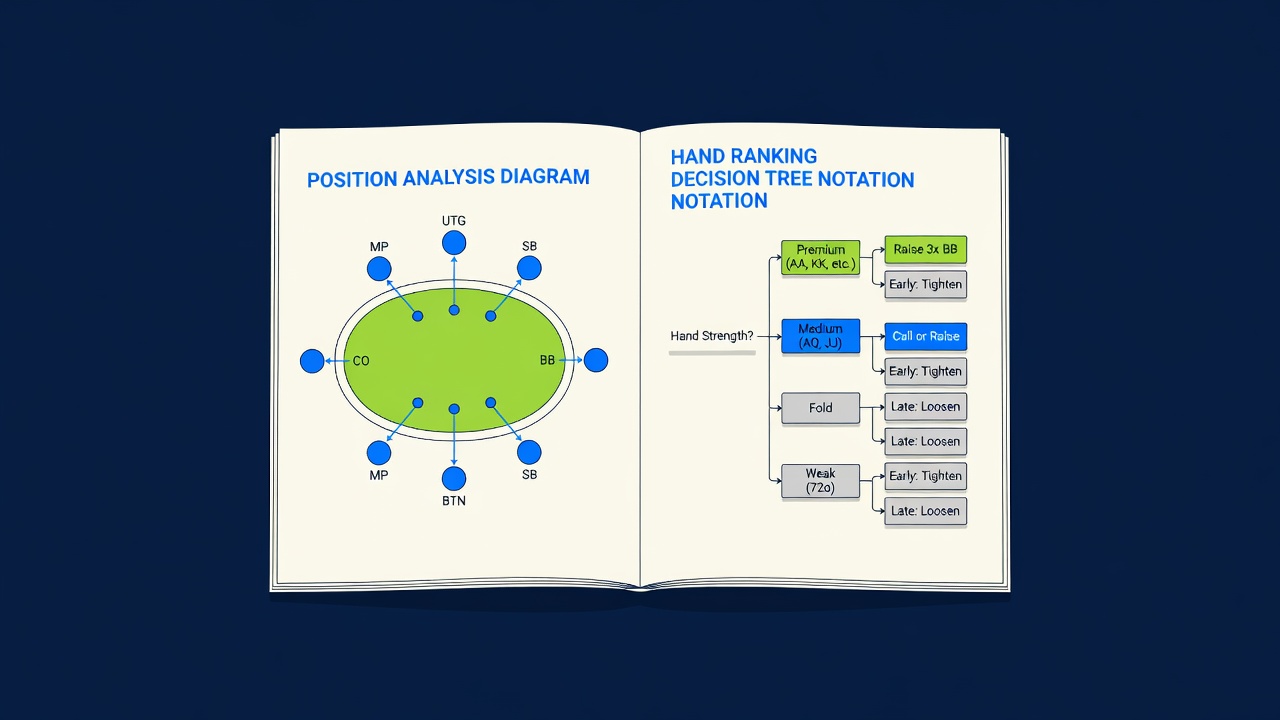
Position matters more against this type than against any other. In late position, your raising range expands dramatically. Early position? Tighten it back up. Let them understand you've got standards. When you do raise from early position, you'll get respect because you've folded so much.
Continuation Bets Are Printed Profit
You raised pre-flop, the flop comes down, and it's just you and Mr. Cautious. The blinds are in the muck. Now what? You bet maybe 50% of the pot. He folds most of the time. Doesn't matter what the flop is. He showed up with a modest hand, the action got scary, his courage ran out.
I've seen mug punters play King-Queen from the button and fold to a single continuation bet on a Jack-high board. They convinced themselves they lost when the play got expensive. That's not strategy, that's surrender.
When They Do Call, Be Careful
Now, when a tight-passive player actually calls your aggression, something's changed. They got hit by the flop. They got a draw. They found their backbone. When they check-call on the turn, they've either got a genuine hand or they're floating (though these types don't float much). They're not folding again easily.
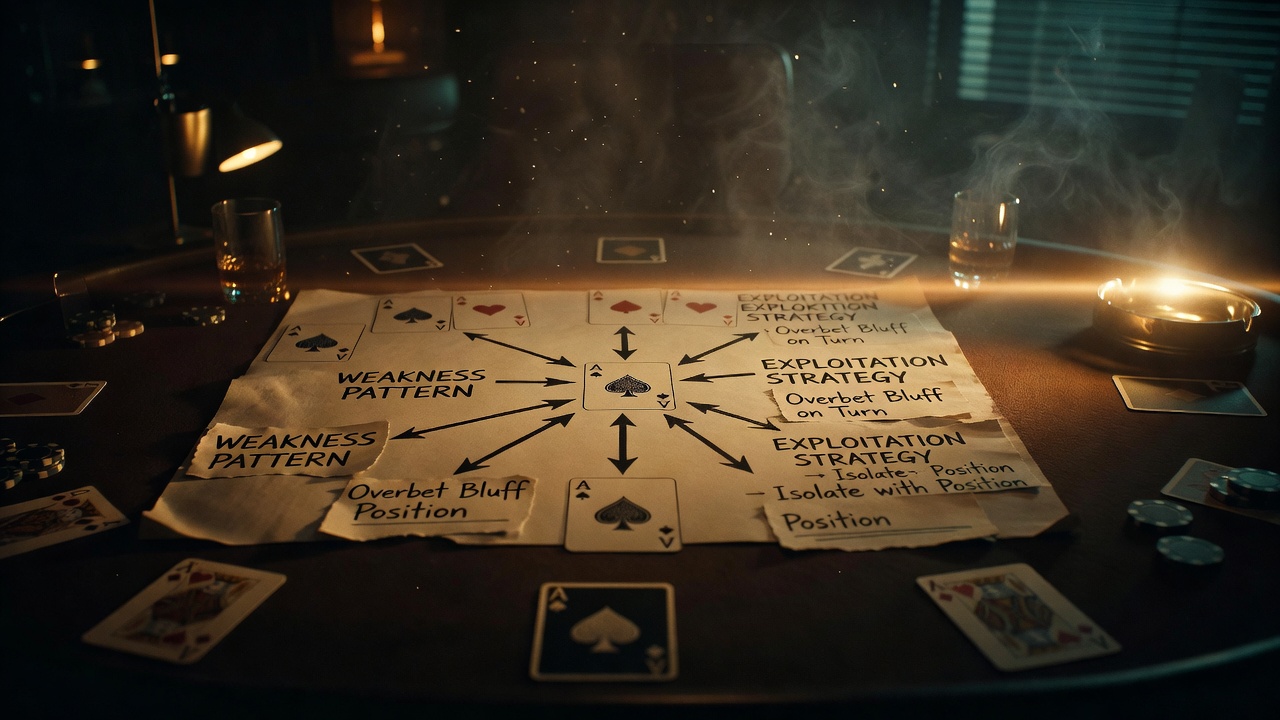
Slow down your aggression. You've got no fold equity anymore. The bet needs to be for value, not for information. If you can't win this hand at showdown, give it up. Save your powder for the next play.
A retired player once told me: tight-passive players are puzzles with only one solution. Push them out of the pot before the flop whenever possible. When they hang around, you need genuine equity. Simple as a pint down the Pig and Whistle.
The Table Dynamics Work For You
Here's the beautiful part: tight-passive players make your life easier with everyone else too. Other aggressive players get frustrated and overplay. Looser players see these tight fellas folding and open up even more. The table gets out of balance and you're the only one reading it properly.
Don't get cute. Don't try complicated plays. Just exploit their fear of losing. It's been the same game for fifty years. Technology changes, but human nature stays put.