What Is an ADR Body in Online Gambling?
When a player disputes a sportsbook decision, an ADR body is the neutral arbitrator. Here is how they work.
Lights out
An ADR body is an Alternative Dispute Resolution organization. Think of it as a referee for gambling arguments. A player and an operator disagree about something. The ADR body listens to both sides and makes a binding decision.
A player wins $500 that the operator claims he is not owed. The player contests. The sportsbook refuses. Now what? In the old days, the player had lawyers and lawsuits. Today, the player has an ADR body.
The ADR listens to evidence. They examine the bet. They examine the rules. They make a decision. The operator abides by it. The player abides by it. No lawyers. No courts. Fast.
Examples
eCOGRA is one. They handle disputes for European operators. A player from the UK wins money on a Bet365 game. Bet365 claims the win was invalid (technical malfunction, or what have you). The player disputes. eCOGRA investigates and decides.
The Malta Gaming Authority acts as an ADR body for operators licensed in Malta. Pragmatic Play operates from Malta. A player from Germany disputes a bonus. MGA hears the case.
Other ADR bodies: Curacao Gaming Commission, Isle of Man, UKGC.
How A Case Works
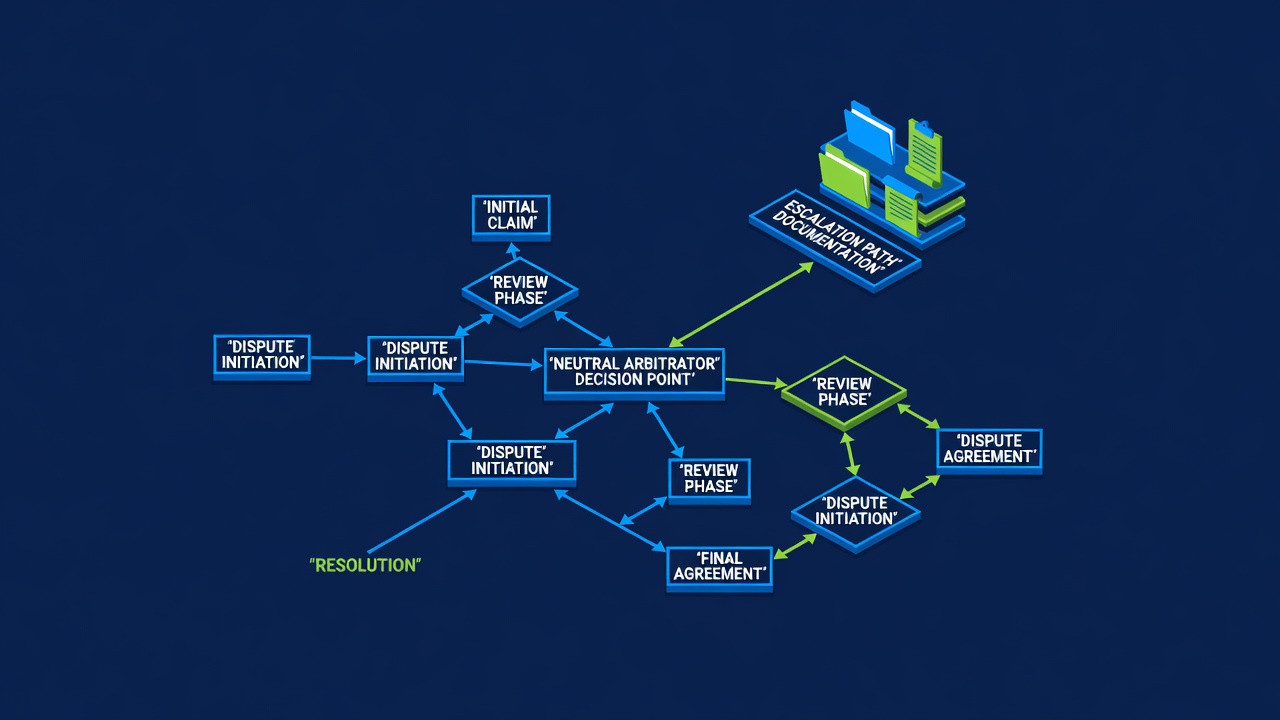
- A player files a complaint with the ADR body (usually within 30-90 days of the dispute).
- The ADR body contacts the operator for their side.
- Both sides submit evidence (game logs, chat history, terms and conditions).
- The ADR body reviews everything.
- The ADR body makes a decision.
- Both parties are bound. No appeal (in most cases).
The process typically takes 2-6 weeks.
Binding Determinations
When an ADR body rules that the operator owes money, the operator must pay. This is a legal obligation. An operator that refuses faces license revocation.
When an ADR body rules against the player, the player has limited recourse. They can file a legal case (expensive), but the ADR decision is typically final.
This asymmetry incentivizes operators to abide by ADR decisions. They have everything to lose (their license) if they do not comply.
Limitation
ADR bodies do not handle all disputes. Typically they handle:
- Payment/withdrawal disputes
- Bonus disputes
- Technical malfunction disputes
- Terms and conditions disputes
They usually do not handle:
- Losses from normal play ("I lost money and I want it back")
- Complaints about odds or lines
- Marketing disputes
If you lost $500 playing blackjack fairly, an ADR body cannot force the operator to refund it. Tough luck.
Cost To Players
Filings are typically free or low-cost ($25-100). This makes them accessible to regular players. A traditional lawsuit would cost thousands.
The speed and low cost are major advantages. A player can dispute with the ADR body in days. A court case takes months or years.
Regulatory Importance
Regulators require operators to be members of ADR bodies (or have their own ADR equivalent). This ensures that disputes get resolved without going to court.
Some jurisdictions (UKGC, Malta) are stricter than others. UKGC requires eCOGRA or equivalent. Malta requires an ADR body.
Unregulated operators often do not have ADR bodies. This is a red flag. If the operator refuses to submit to independent arbitration, the operator is probably untrustworthy.
The Practical Reality
For most players, ADR bodies are invisible. You play. You win or lose. You move on.
For the small number of players who have genuine disputes, the ADR body is the most important thing in the entire gambling ecosystem. It is the only thing standing between them and losing their money to an unscrupulous operator.
And from the operator's perspective, the ADR body is a compliance cost. But it is a cost worth bearing because it legitimizes the operation and keeps regulators happy.