How to Adjust Your Poker Game When Stakes Change
Moving from 1/2 to 5/10 stakes looks like a simple scale. It's not. The game changes fundamentally. Here's how to adapt.

Lights out
I sat down at a 5/10 game after months at 1/2. Same casino. Same regulars, mostly. But the texture was different.
At 1/2, I was patient. I folded 80 percent of hands. I waited for premium hands and value situations. The game rewarded that. Tight, disciplined players made money.
At 5/10, the same strategy lost. The antes and blinds were proportionally larger. People at the table were better. The rake (casino's cut) was lower in percentage terms but larger in absolute dollars.
I had to adjust.
The Fundamental Shift
Lower stakes are a volume game. You make small amounts per decision. You make hundreds of decisions. Over a large sample, your edge accumulates.
Higher stakes are an efficiency game. You make larger amounts per decision. You make fewer decisions. You need to be more selective about which decisions you make.
At 1/2, a small edge is enough. You play more hands. You take more pots. Small edges add up.
At 5/10, small edges don't matter. You need big edges. You can't afford to win 51 percent of marginal spots. You need 60+ percent to justify the variance.
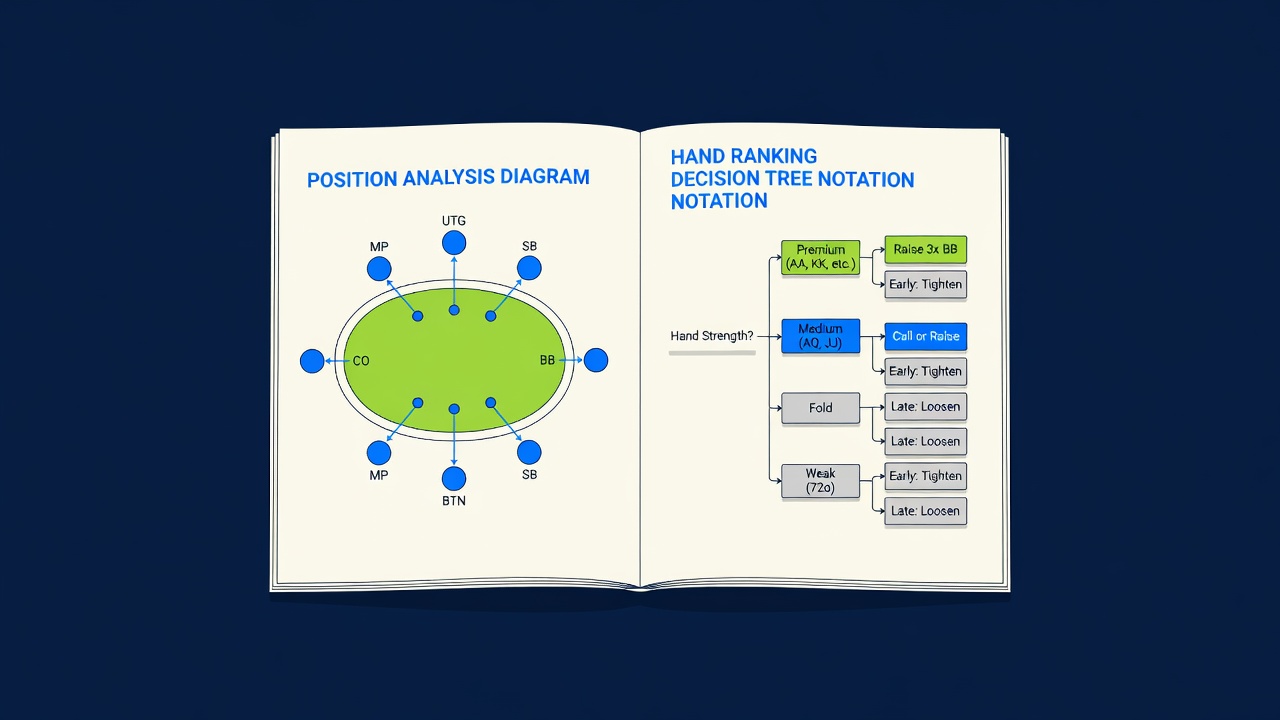
The Hand Selection
At 1/2, I'd play suited connectors from late position. At 5/10, I eliminated them unless the situation was perfect (multiway pot, good position, weak opponents).
Why? The EV of a marginal hand is the same, but the variance is higher at higher stakes. At 1/2, I could take a small variance hit. At 5/10, my bankroll couldn't absorb as many swings.
My opening range tightened. I played maybe 18 percent of hands at 1/2. At 5/10, I dropped to 12 percent.
The Opponent Adjustment
Higher stakes attracted better players. Fewer obvious mistakes. Less wild aggression. The game was more cerebral.
At 1/2, I could outplay people post-flop by having better discipline. At 5/10, everyone had discipline. Post-flop play was where small differences showed up.
I had to think deeper. Not just about what I had and what they had, but about what they thought I had and what they thought they had.
This required more focus. I played fewer hands but thought about each one more. My hand count per hour dropped from 30 to 18. But my edge per hand increased.
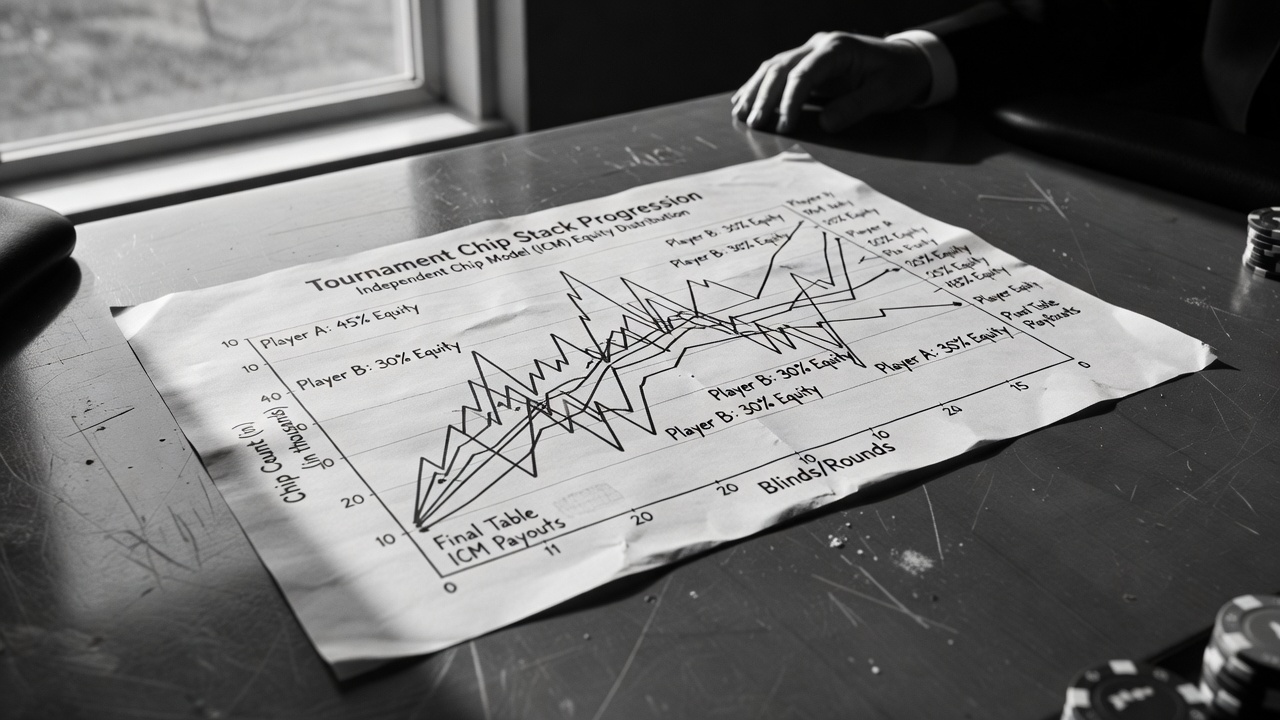
The Bankroll Math
This is crucial. At 1/2, a 200 big blind swing was acceptable. You'd still play.
At 5/10, a 200 big blind swing (so 2,000 pounds on a 5/10 table) was significant. It could force you to drop back in stakes or add more money.
I had to increase my bankroll. Prudent bankroll sizing at 5/10 requires roughly 3x the bankroll of 1/2, all else equal. The variance per hand is the same, but the dollar amount is bigger.
The Emotional Factor
Money matters differently at higher stakes. At 1/2, losing 200 pounds hurt but was recoverable. At 5/10, losing 200 pounds was a setback.
I had to be more careful about tilt. The swings were bigger. My emotional reaction had to stay calibrated to the actual value, not the dollar amount.
The Decision
After a few weeks at 5/10, I realized I wasn't happy. The game was tighter, which is good from a math perspective but worse from an enjoyment perspective.
I moved back to 1/2. I could make more money there (relative to my edge) because I was willing to play more hands. I was better at volume games.
Higher stakes require a different temperament. They require discipline and focus. If you don't have those naturally, higher stakes won't fix it. They'll make it worse.